
Do Vets Recommend Soft Cones for Recovery?
A veterinarian explains when soft cones support healing and comfort, and when rigid protection is safer for wounds, eyes, and orthopedic sites.

Our reviewing vets score the best dog supplements across joint, calming, probiotic, and longevity categories with one clear verdict.
A veterinarian explains when soft cones support healing and comfort, and when rigid protection is safer for wounds, eyes, and orthopedic sites.

Borax can irritate and poison dogs if licked or eaten. Learn signs, what to do, and safer household swaps.

Pink, red, or brown urine in dogs has many causes. Learn what vets check first and when to seek same-day care.

A hospice veterinarian explains when raised dog bunk beds work for agile dogs — and why seniors need low, supportive sleeping spots.

A veterinary guide to early and late signs of kidney failure in dogs, why bloodwork catches disease early, and when to call your vet.

Learn why a dog nose dry and cracked on one side deserves closer attention, common causes, warning signs, and safe next steps.

Calm first aid for a bleeding dog paw — pressure, checking the pad, and when to call the vet.
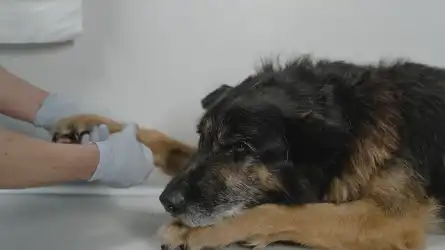
Peeling paw pads in dogs often trace to wear, dryness, or irritation. Learn what to check, how to protect paws, and when to call your vet.

A veterinary neurologist explains how dog-appeasing pheromone diffusers work, what studies suggest, and how to use them with training.

Can turmeric cause itching in dogs? An integrative vet explains gut irritation, paste reactions, and when to pause turmeric.

A veterinarian explains when Dawn is acceptable for dogs, why it strips skin oils, and what to use for routine baths.

Learn the main curly tail shapes in dogs, which breeds carry them, and how to check for tight skin folds and tail comfort.

Yes, dog nails regrow after a tear or trim. A vet explains healing timelines, first aid, and why routine trimming prevents breaks.

An integrative vet explains how oral flea pills work, why timing and treating all pets matters, and when to call your vet.

A neurologist explains when soft cones protect wounds, when they fail, and how fit and wound location decide safety.

Integrative vet explains when calming treats fit, what ingredients may help support relaxation, and when training or diagnosis matters more.

Yes, dogs can develop alopecia from allergy, parasites, infection, or hormones. Learn patterns, causes, and how vets find the reason.

Yes, dogs can develop comedones, but dark specks often mean oil, infection, or flea debris. Learn what to check and when to call your vet.

Yes, dogs can get swimmer's itch, but vets say rash is rarely the main lake danger. Learn signs, rinsing, and when to call your vet.

Vets explain why dogs should skip cloves, how eugenol and clove oil cause harm, and what to do after exposure.

A vet explains when plain cornbread is low-risk for dogs, when butter and add-ins make it unsafe, and what to watch for.

Can dogs have vanilla? Vets explain when vanilla bean is low risk and why extract, ice cream, and sugar-free treats cause problems.

Weekly dog baths help some coats and allergies, but strip oils from others. Learn when once a week is safe and how to protect skin.

Yes, dogs get their own lice species — not human lice. Learn signs, causes, treatment, and when to call your vet.

Learn to identify the American dog tick by sight, habitat, and seasonal timing for dogs.