

On this page
Katie told me Farrah, her 11-year-old spayed female Miniature Dachshund mix from Little Rock, Arkansas, had vacuumed up a corner of skillet cornbread while Katie answered the door, and she wanted to know whether to drive in or simply watch and adjust next time. My short answer in the exam room is steady: plain cornbread is rarely an emergency, yet rich cornbread is rarely a good habit, especially for seniors carrying extra weight or living with a sensitive pancreas.
Food therapy teaches us to look past a single ingredient to the whole recipe and the whole patient, while acupuncture focuses on balance, Chinese herbal formulas may help support normal digestive function, and hands-on Tui-na may help support mobility and comfort through structure — none of which changes the fact that butter, sugar, and savory add-ins decide whether cornbread fits or fails for a dog.
Why a plain bite is usually not an emergency
Plain homemade cornbread is mostly cornmeal, wheat flour, egg, milk or buttermilk, a little oil or butter, baking powder, and salt. None of those base ingredients is listed among the classic canine poisons, and a small, fully baked bite without toppings seldom causes more than thirst, gas, or soft stool.
That does not make it nourishing. It is dense in refined starch, low in complete protein, and easy to overfeed. For a 10-pound dog like Farrah, even a 2-inch square can be a large share of daily calories, and repeated extras can push weight gain rather than support balance and steady mobility.
Ground, fully cooked corn is digestible for most dogs and appears in many complete diets. The home-kitchen problem is portion, fat, and what else went into the pan.
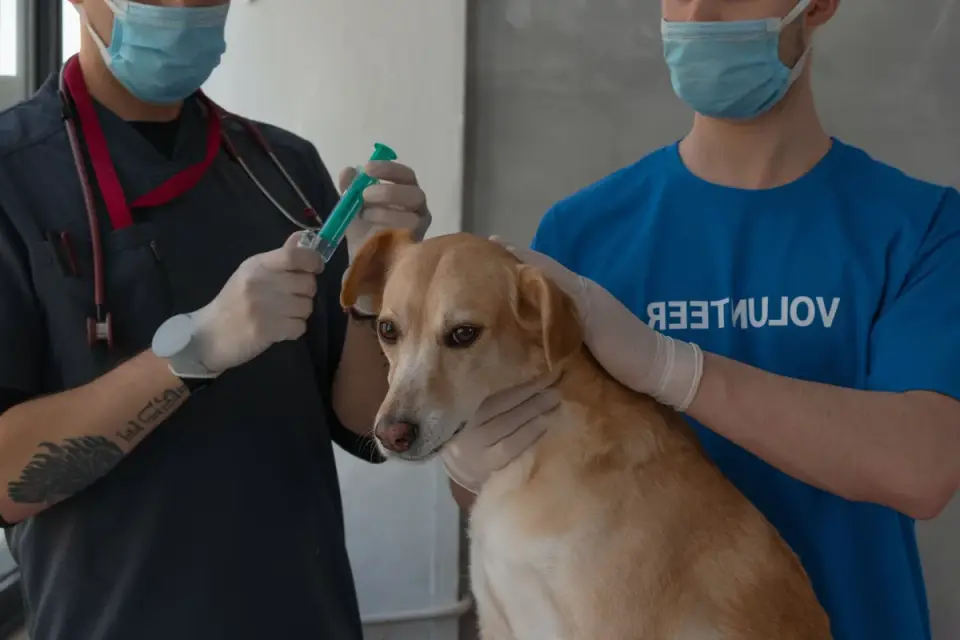
Which add-ins turn cornbread risky
Holiday cornbread is seldom plain. Watch for these upgrades that change my advice:
- Butter, bacon drippings, cheese, or gravy: a sudden fatty load can trigger vomiting, diarrhea, or pancreatitis in susceptible dogs, with small, older, and overweight dogs at higher risk.
- Sugar, honey, or dessert-style mixes: not toxic in tiny amounts, but added sugars add calories and can worsen dental disease, obesity, and blood-sugar swings. If an older dog is drinking and urinating more than usual, review When to See a Vet About Excessive Thirst in an Older Dog before sharing sweets.
- Sugar-free or keto mixes with xylitol/birch sugar: this is the true emergency. The VCA Hospitals guide to xylitol toxicity lists vomiting, weakness, collapse, and seizures among reported signs, and the U.S. Food and Drug Administration warns that even small amounts of xylitol can be dangerous for dogs.
- Onion, garlic, chives, jalapeños, or chili: alliums can damage red blood cells, and hot peppers irritate mouth and stomach.
- Chocolate chips, raisins, macadamia nuts, or alcohol-based flavorings: keep these versions entirely away from dogs.
- Raw batter: do not feed batter with baking powder or yeast; it can cause stomach upset and gas, and yeast dough can expand.
Herbal support may help support normal gut function as part of a broader plan, and thoughtful food therapy may help support daily balance through simple, bland ingredients, but neither offsets xylitol, allium, or a stick of butter — those need conventional triage first.
How much is too much and when to call
If the piece was plain and fully baked, with no xylitol, onion, garlic, chocolate, raisins, nuts, or excess fat, most healthy adult dogs need only observation. Expect possible mild gas, soft stool, or a skipped next meal.
Call your veterinarian promptly for repeated vomiting, bloody diarrhea, belly pain or hunched posture, marked lethargy, pale gums, rapid breathing, collapse, tremors, or no improvement within 12–24 hours. Bring the mix box or a recipe photo so the team can check for xylitol, onion powder, and fat content.
If the recipe may contain xylitol, do not wait for signs — call your veterinarian or poison control immediately with the product name, your dog’s weight, and the amount eaten. For wobbly seniors where a sudden change leaves you unsure about urgency, the steps in Senior Dog Suddenly Can’t Get Up: When It’s an Emergency and When It Isn’t are a useful parallel for when to drive now versus monitor closely.

How I would share it safely, if at all
I would rather see cornbread stay a rare, thumbnail-sized taste than a routine treat, particularly for weight-prone Dachshund mixes and seniors where steady mobility matters. Tui-na and medical manipulation may help support comfort and movement alongside sensible weight control, but extra table food works against that goal.
If you want to include your dog:
- Offer no more than a pea- to peanut-sized crumb of plain cornbread for a small dog, a tablespoon at most for a large dog, and only occasionally.
- Skip butter, honey butter, jam, chili, and cheese sauce on the dog’s portion.
- Choose soft center crumb over crisp, buttery edges.
- Skip it entirely for dogs with pancreatitis, diabetes, egg or wheat allergy, chronic gut disease, or a weight-loss plan — ask your vet what fits.
- Count the extra inside treats, which together should stay under about 10% of daily calories.
For everyday rewards, plain cooked vegetables approved by your vet, small bits of plain lean meat, or a balanced commercial treat give portion control without the guesswork of a rich skillet recipe.
Frequently asked questions
Can dogs have a small piece of plain cornbread?
A pea- to peanut-sized crumb of plain, fully baked cornbread without xylitol, onion, garlic, chocolate, raisins, nuts, or heavy butter is usually low-risk for a healthy adult dog. Keep it rare and count it toward treat calories.
What cornbread ingredient is an emergency for dogs?
Xylitol, also labeled birch sugar, is the urgent one. If a sugar-free mix may contain it, call your veterinarian or poison control immediately rather than waiting for vomiting, weakness, or collapse.
Sources
- Xylitol Toxicity in Dogs — VCA Hospitals
- Paws Off Xylitol; It's Dangerous for Dogs — U.S. Food and Drug Administration