
On this page
Yes, dogs can get alopecia, and the word itself only describes missing hair while the distribution and skin underneath help explain why the follicle has paused or broken down.
From a neurology and whole-patient view, I look at the nervous system and skin together because chronic itch and repeated licking change local circulation and barrier function while an endocrine or follicular disorder may help set the pattern that itching then worsens.
What alopecia means and what it looks like
Alopecia is a clinical description rather than a single diagnosis. It may appear as thinning over the flanks, a moth-eaten coat, symmetrical bald patches, broken stubble with scaling, or complete loss in one area with darkened or thickened skin beneath.
Non-itchy and broadly symmetrical loss often raises concern for hormonal or cycle-arrest conditions, while itchy loss with redness, odor, crusts, or ear inflammation points more toward allergy, parasites, or infection. Seasonal flank loss that regrows, pressure-point thinning in large senior dogs, and delayed regrowth after clipping in dense-coated breeds each carry a rhythm that a careful history usually reveals. The VCA Hospitals overview of alopecia in dogs lists parasites, infection, allergy, and endocrine disease among the leading categories, alongside immune-mediated and inherited follicular disorders, which mirrors how veterinarians build a differential in practice.
Why allergy, parasites, and infection break the coat
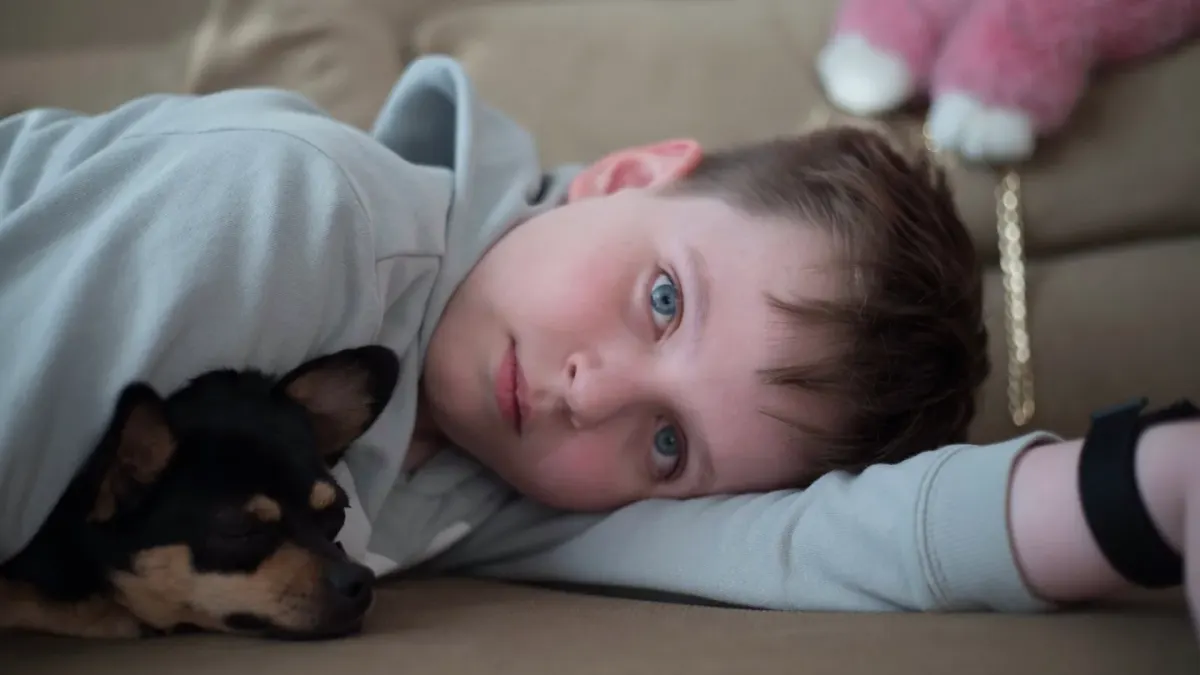
Flea allergy, environmental allergy, and food allergy remain common drivers because inflamed skin invites chewing that fractures the shaft and disturbs regrowth. I treated a patient much like Boone, a 10-year-old neutered male Chihuahua from Shreveport, Louisiana, whose owner Neil noticed thinning thighs and constant licking, and that kind of self-trauma can turn a manageable allergy into secondary bacterial or yeast dermatitis that needs its own care.
Demodex and sarcoptic mange, dermatophytosis, and bacterial folliculitis each produce distinctive scaling, crusting, or broken hairs that skin scrapings, cytology, Wood’s lamp examination, and fungal culture help sort out. Patterns of hair loss with itching and inflammation are described in the Merck Veterinary Manual discussion of hair loss in dogs, which places ectoparasites and infection alongside systemic causes rather than treating shedding alone as the explanation.
Hormonal and follicular causes veterinarians rule out
Hypothyroidism, hyperadrenocorticism, and sex-hormone imbalance classically cause bilaterally symmetrical and largely non-itchy thinning with dry coat, darkened skin, and slow regrowth after clipping. Seasonal flank alopecia, pattern baldness in short-coated breeds, color-dilution follicular dysplasia, and post-clipping alopecia reflect follicular cycling differences where the hair cycle arrests and then, in many seasonal cases, resumes with changing daylight.
Because endocrine disease affects thirst, appetite, energy, and body condition alongside the coat, bloodwork and urinalysis often accompany skin testing when the pattern looks hormonal. Nutrition that may help support normal skin barrier function still depends on the primary diagnosis, since no diet or botanical restarts a follicle that remains suppressed by untreated hormonal disease.
How the cause is found
Expect your veterinarian to map where hair is missing, whether remaining hairs epilate easily, and whether comedones, papules, odor, or pigment change are present. Skin scrapings, acetate-tape cytology, bacterial culture, dermatophyte culture or PCR, thyroid panels, adrenal testing, and biopsy each answer a different question, and biopsy becomes especially useful when loss is symmetrical, scarring, or unresponsive to initial care.
What supports regrowth and when to call promptly
Treatment follows the cause, with flea control, allergy management, antimicrobials for documented infection, thyroid or adrenal therapy when diagnosed, and time plus photoperiod for many seasonal cases. Gentle handling, pressure-relief bedding, and avoiding close clipping in at-risk coats may help support comfortable regrowth while the primary disorder resolves. Acupuncture, Tui-na, and calming routines do not regrow hair by themselves, yet when they lower restlessness and self-trauma they may help support a calmer nervous system while medical treatment addresses the follicle.
For related context, read Chamomile Dosage for Dogs: What Our Panel Actually Recommends.
For related context, read Why Does My Dog Pace Back and Forth at Night?.
Frequently asked questions
Can dogs get alopecia?
Yes. Alopecia in dogs means partial or complete hair loss, and it usually reflects allergy, parasites, infection, hormonal disease, or a follicular cycling disorder that needs diagnosis.
Will the hair grow back?
Many causes allow regrowth once the trigger is treated, while scarring disease, prolonged follicular arrest, and unmanaged endocrine illness may regrow slowly or incompletely.
When should I see the vet for hair loss?
Schedule care for any expanding bald area, itching, odor, crusts, darkened skin, or coat change with thirst, appetite, or energy shifts, and seek prompt care for pain, swelling, drainage, or fever.
Sources
- Alopecia in Dogs — VCA Hospitals
- Hair Loss (Alopecia) in Dogs — Merck Veterinary Manual