
On this page
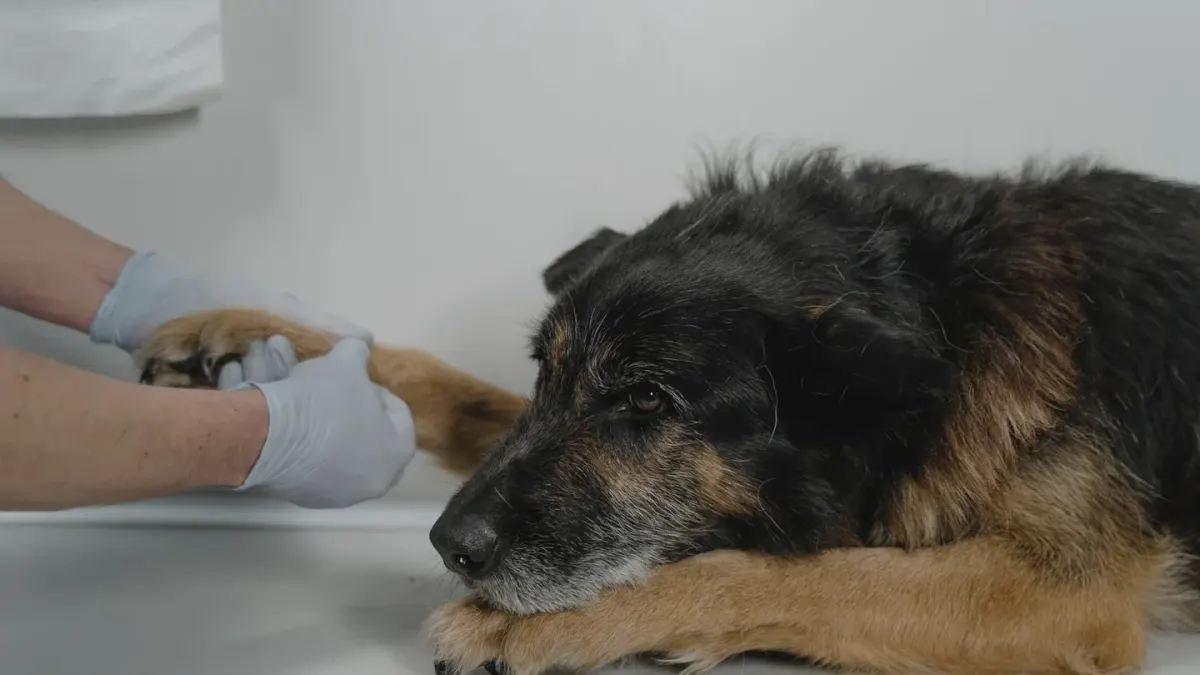
Peeling pads often look worse than they feel at first, with a thin flap of outer keratin lifting away after rough play or a long walk on warm pavement, yet that outer change can expose more sensitive tissue underneath when the dog continues to run, turn sharply, or lick the foot.
What peeling from surface wear often looks like
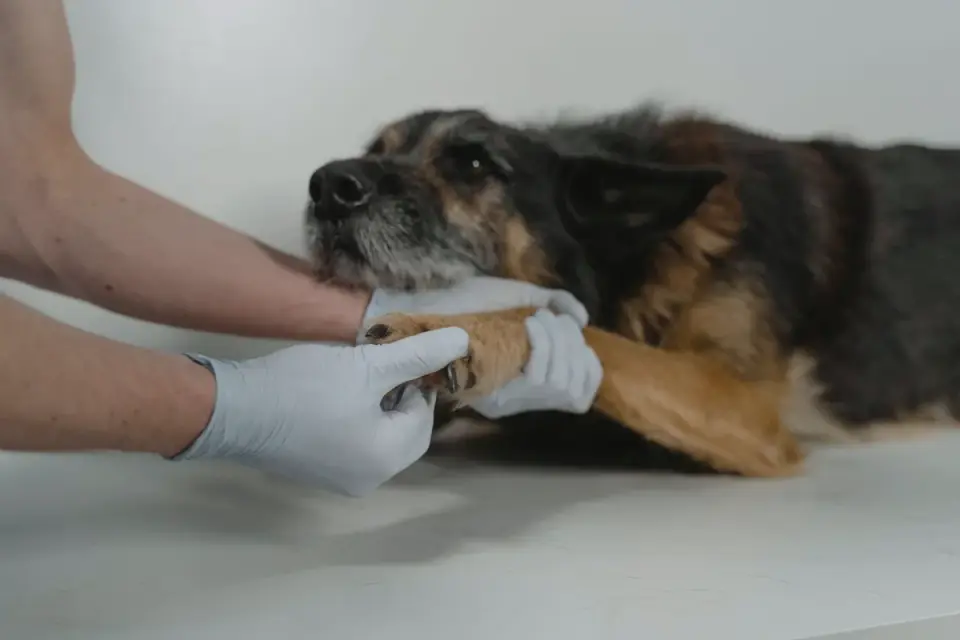
Healthy pads are thick and slightly rough, built to absorb impact while proprioceptive feedback and local withdrawal responses help the dog adjust stride when footing is hot, sharp, or uneven. When only the outermost layer sheds, you may see a dry edge, a pale flap, or light flaking without bleeding, swelling, or a change in gait, and the dog may still walk willingly while the deeper pad remains intact and supple beside the normal grooves of the whole foot.
Cameron, who lives with Schuyler, a 4-year-old intact female American Staffordshire Terrier mix in Athens-Clarke County, Georgia, noticed a paper-thin peel on one front pad the morning after an extended game of fetch on a tennis court, with no limp and no chewing, which is the classic picture of friction wear that deserves rest and observation rather than alarm.
Gentle paw handling at home, practiced in short sessions with food rewards, may help support calmer acceptance of foot checks and nail care, and many owners find that after practicing handling at home, a dog settles more easily during a grooming visit that had worried them. VCA Hospitals describes how pad tissue responds to cuts, tears, and abrasion, which helps explain why even shallow injuries can look dramatic while they remain superficial.
Common reasons pads peel or flake
Friction and heat are the most frequent triggers, especially when an unconditioned dog suddenly runs on concrete, asphalt, gravel, sand, or pool decks, while winter brings a different pattern of dryness, cracking, and contact irritation from ice, road salt, and de-icers.
Other patterns point beyond wear, including moist redness between the toes with licking that suggests irritation or infection, symmetrical cracking with thickened tissue that may reflect hyperkeratosis in some breeds and older dogs, and persistent blistering, ulceration, or depigmentation that raises concern for immune-mediated disease.
Chemical irritation from household cleaners, lawn products, and ice melts can also dry or lift pad edges, so rinsing feet after walks through treated areas and keeping walks shorter during extreme heat or cold may help support normal barrier function while you watch for improvement over several days.
How to check sore paws without making them worse
Choose a calm moment and lift one foot at a time, looking across all four feet for flaps, raw pink areas, embedded gravel or thorns, swelling between the toes, odor, discharge, or a pad that feels unusually soft, hot, or painful to light pressure. If a loose flap is clean and barely attached, do not pull it free, and instead trim only the clearly dead edge with clean blunt-tipped scissors if your veterinarian has shown you how, then rinse with lukewarm water, pat dry, and limit running, jumping, and hot surfaces for several days.
Avoid alcohol, hydrogen peroxide, concentrated essential oils, and human adhesive bandages wrapped tightly around toes, because those approaches can irritate exposed tissue and restrict circulation while pain signaling and altered loading through the limb may already be changing how the dog bears weight. Dogs that begin to favor a foot, as discussed in Why Dogs Limp After Resting: Causes and When to See a Vet, or older dogs with sudden mobility loss, as discussed in Senior Dog Suddenly Can’t Get Up: When It’s an Emergency and When It Isn’t, need a more urgent assessment than a dog with painless flaking alone.
When peeling warrants a veterinary visit
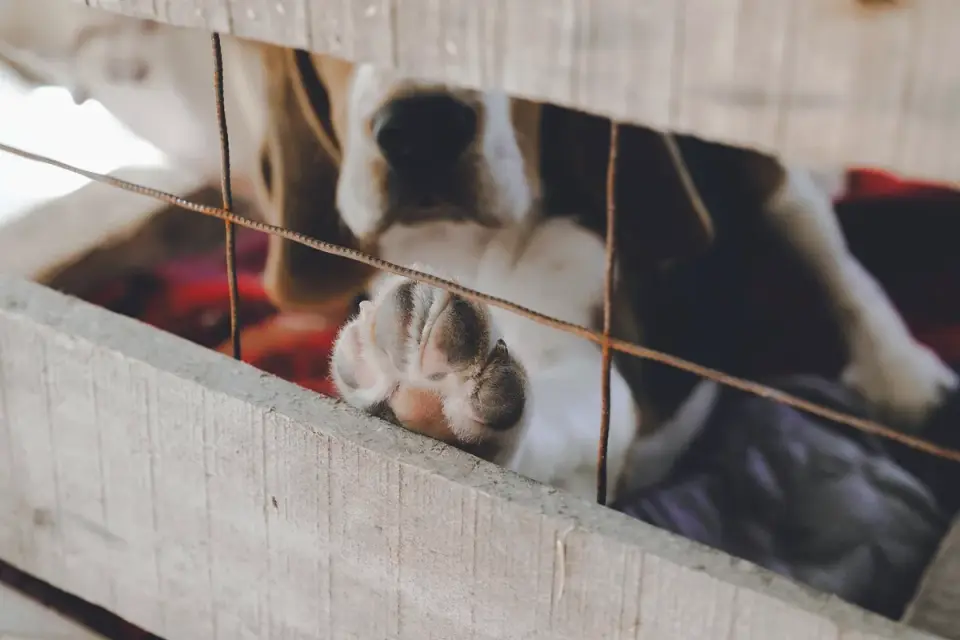
Call your veterinarian promptly for bleeding that does not stop with gentle pressure, a deep slice or missing pad section, limping or refusal to bear weight, swelling, pus, a foul odor, fever, or chewing that intensifies rather than eases within a day. Also seek care when peeling affects multiple feet, recurs despite rest and surface changes, spreads to the nose, lips, or nails, or appears with blisters, ulcers, or loss of pigment, because those whole-patient patterns point away from simple wear and toward infection, allergy with secondary trauma, or immune-mediated disease.
At the visit, expect the veterinarian to assess gait and neurologic withdrawal, clean and debride loose tissue as needed, check for foreign material, discuss bandaging and activity restriction, and recommend cytology, culture, or biopsy when the pattern suggests something deeper than abrasion. From an integrative perspective that considers both nervous-system protection and overall balance, gentle Tui-na–style handling around the limb and brief acupressure for general relaxation may help support comfort during recovery, without replacing wound care, infection treatment, or the diagnostic workup when lesions are severe or persistent.
For prevention, condition pads gradually with varied but moderate exercise, favor grass or dirt during heat, test pavement with your own hand, rinse and dry feet after salt or chemicals, keep nails trimmed so weight distributes evenly, and maintain a healthy weight and steady activity that may help support joint and paw loading over time.
Frequently asked questions
Should I peel off my dog's loose paw pad flap?
No. Leave attached flaps in place, keep the foot clean and rested, and ask your veterinarian whether trimming, bandaging, or an examination is needed.
Can hot pavement cause paw pads to peel?
Yes. Hot asphalt, concrete, sand, and pool decks can abrade or blister pads, often showing as thin peeling, redness, or limping after a walk.
When is peeling an emergency?
Seek prompt care for uncontrolled bleeding, deep cuts, non-weight-bearing lameness, swelling, discharge, spreading lesions, or peeling on multiple feet with blisters or ulcers.
Sources
- First Aid for Torn or Injured Foot Pads in Dogs — VCA Hospitals