

On this page
Aaron in Salem, Oregon told me his 13-year-old neutered male Italian Greyhound, Salvatore, licked a spoon of vanilla cake batter and then looked hopeful for more, and that hopeful stare is where many vanilla questions start. The flavor itself is not the main worry. Pure vanilla bean in tiny food amounts is generally low concern for dogs, while vanilla extract, vanilla syrups, and vanilla ice cream can bring alcohol, concentrated sugar, sugar alcohols, chocolate, coffee, macadamia nuts, or dairy that may help support digestive upset and imbalance rather than balance and mobility. Acupuncture, food therapy, herbs, and Tui-na all work best when the daily bowl stays settled and predictable, and a sugary dairy treat paired with hands-on Tui-na for comfort does not support that steadiness.
Why vanilla bean is different from vanilla extract
Vanilla beans come from orchids in the Vanilla genus, and a small amount baked into a plain dog treat is very different from drinking extract from the bottle. The U.S. Food and Drug Administration defines vanilla extract as containing vanilla constituents dissolved in aqueous ethyl alcohol, with at least 35% alcohol by volume in the classic standard.
That alcohol matters. A teaspoon of extract may contain a meaningful alcohol dose for a 10-pound dog, with risk of drooling, wobble, vomiting, low blood sugar, slowed breathing, or collapse. Imitation vanilla can also contain propylene glycol and strong flavor chemicals, and alcohol-free vanilla flavorings still are too concentrated to offer straight.
If you bake for your dog, use a recipe where a small splash of extract is divided across a whole batch of treats, so each treat carries only a trace. Never let a dog lick extract, vanilla perfume, essential oil, or diffuser liquid.
What about vanilla ice cream and yogurt?
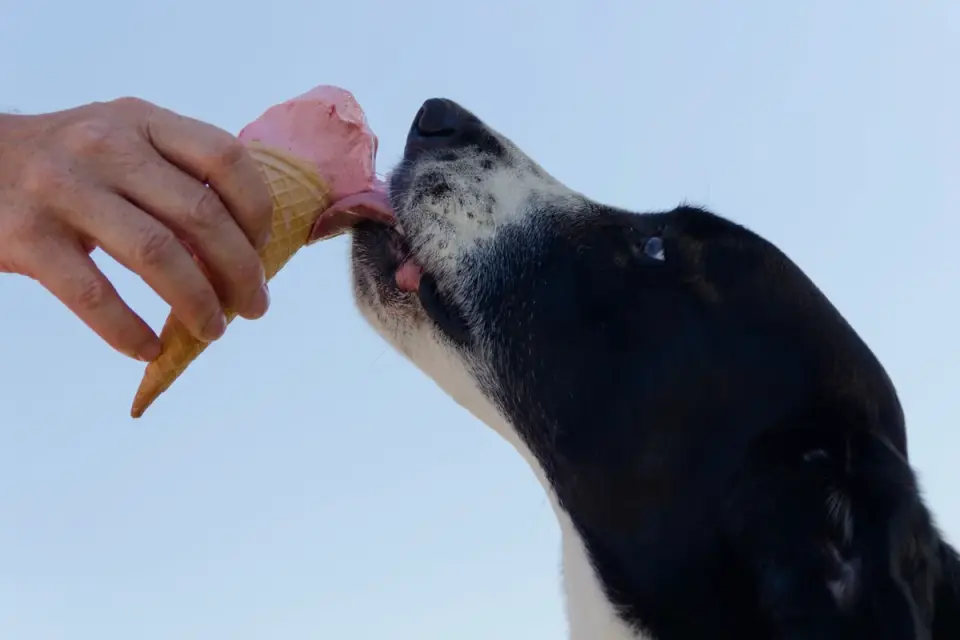
Plain vanilla ice cream rarely contains enough vanilla to poison a dog. The problem is the package around it: lactose, fat, and sugar.
Many adult dogs digest dairy poorly, so a few licks may help support loose stool, gas, and belly gurgling rather than comfort and ease of movement. A full cup, especially a rich premium pint, can trigger vomiting, diarrhea, or in sensitive dogs, pancreatitis signs such as loss of appetite, belly pain, and repeated vomiting. Food therapy paired with plain, easy-to-digest meals may help support settled digestion during recovery, but prevention is simpler.
Read the label before sharing any “light,” “sugar-free,” “keto,” or “protein” vanilla product. The Pet Poison Helpline lists xylitol, also called birch sugar, as a potent insulin-releasing toxin in dogs, and even a small amount of xylitol-sweetened ice cream, pudding, peanut butter, or candy can cause dangerous low blood sugar and liver injury. Chocolate, coffee, espresso bean, macadamia, raisin, and nutmeg add-ons are separate reasons to say no.
If you want a cold bite on a hot walk, offer plain ice cubes, frozen watermelon without seeds or rind, a frozen carrot, or a spoon of plain lactose-free yogurt if your dog tolerates dairy.
How much is risky and what signs matter?
A crumb of vanilla cake, one lick of plain whipped cream, or a pea-sized taste of vanilla yogurt usually needs only watching in a healthy adult dog. Risk climbs with large volumes, repeat treats, small body weight, senior dogs with kidney, liver, heart, or pancreatic conditions, and any product with xylitol or chocolate.
Call your veterinarian or the ASPCA Animal Poison Control right away for extract drunk straight, any xylitol exposure, tremors, repeated vomiting, bloody stool, belly swelling or pain, extreme sleepiness, trouble standing, or pale gums. Bring the package, ingredient list, your dog’s weight, and the time eaten.
For mild dairy overload without red-flag signs, withhold rich treats, offer water, feed a small bland meal your vet has approved before, and watch stools for 24 hours. Herbs for digestive balance, acupuncture for comfort and ease of movement, and gentle medical manipulation paired with rest may help support whole-patient steadiness while the gut settles, with realistic expectations and no promise to fix or cure. Dogs with chronic digestive disease, diabetes, or food allergy need direct veterinary advice rather than home watching — especially when [dental cleanings have been a recurring part of my dogs care](anecdotal framing) reminds us how often senior mouths and stomachs need gentler choices, and owners who say [we give her meals and treats she can manage with very few teeth](anecdotal framing) often do best with soft, plain options.
Senior dogs deserve extra caution. An older dog who now chooses quiet garden wandering and naps beside you over playing with toys may have less reserve for dehydration from vomiting or diarrhea, a point I also discuss in Senior Dog Suddenly Can’t Get Up: When It’s an Emergency and When It Isn’t and How to Adjust a Senior Dog’s Exercise Routine Safely.
Safer ways to share vanilla flavor
If Salvatore’s family wants a birthday taste, I suggest a homemade oat-and-pumpkin cookie baked with a quarter-teaspoon of vanilla extract divided across 24 treats, no sugar, no xylitol, no chocolate, and no macadamia. One small cookie is plenty.
Keep store bakery, ice cream scoops, vanilla lattes, protein shakes, candles, and essential oils out of reach. Dogs explore with the mouth first, and vanilla smells like food even when it is not. For everyday food-first support for aging dogs, I lean on balanced meals, lean protein, fiber, and omega-rich whole foods before any add-on, an approach also outlined in CoQ10 Dosage for Senior Dogs: What the Evidence Actually Supports.
Bottom line: say yes only to a tiny taste of plain baked vanilla, and say no to extract by the spoon, vanilla alcohol drinks, and sugary or sugar-free vanilla desserts.
Frequently asked questions
Can dogs have vanilla extract?
No, do not offer it straight. It contains concentrated alcohol that can cause alcohol toxicity, especially in small dogs. A trace baked through a whole batch of treats is different from licks from the bottle.
Can dogs have vanilla ice cream?
A tiny lick of plain vanilla ice cream is unlikely to poison a healthy dog, but dairy, fat, and sugar often cause vomiting or diarrhea. Avoid sugar-free versions with xylitol and any mix-ins with chocolate, coffee, macadamia nuts, or raisins.
What should I do if my dog drank vanilla extract?
Call your veterinarian or poison control immediately with the product, amount, weight, and timing. Watch for vomiting, wobble, sleepiness, slow breathing, or collapse and do not wait for signs if xylitol was also present.
Sources
- Vanilla extract standard containing ethyl alcohol — U.S. Food and Drug Administration
- Xylitol is toxic to dogs — Pet Poison Helpline
- Animal Poison Control Center guidance — ASPCA Animal Poison Control