

On this page
Blood on the kitchen floor tends to make the heart race faster than the paw itself warrants, and settling your own breathing first allows you to help the dog settle too. Paw pads carry a rich blood supply cushioned by fibrous tissue, so even a shallow cut or torn nail can look dramatic while the overall circulation remains steady, a pattern that becomes easier to assess when the nervous system is not driven further by restraint or rushing.
Why a small paw cut bleeds so much
Pads and nail quicks are vascular by design, which may help support weight-bearing and sensation during movement, and that same blood flow means surface injuries spread red across tile or concrete quickly. Owners in our community often describe frustration that small skin troubles linger, and the paw can feel similar, because licking, pressure, and outdoor exposure keep the area irritated while it tries to close.
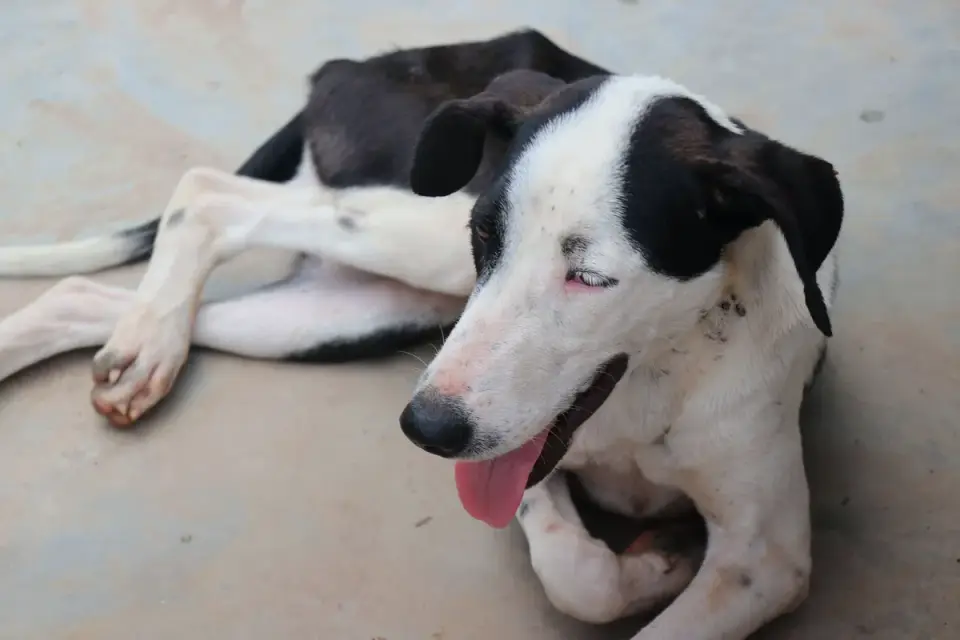
Hold gentle pressure before you try fixes
Sit on the floor with the dog against you, fold clean gauze or a soft cloth over the paw, and hold steady compression without peeking every few seconds, since repeated lifting interrupts the clot that is forming. VCA Hospitals describes direct pressure as the first step for active bleeding, followed by a bandage layer only if you can keep it snug without cutting off circulation to the toes. Most light pad scrapes slow within five to ten minutes of quiet pressure, and staying with the dog through that window, with soft voice and minimal handling, often does more than layering powders or ointments in a hurry.
How to look at the pad without making it worse
Once bleeding eases, loosen the cloth and look for glass, a thorn, a torn flap, a split nail, or swelling between the toes, using good light rather than probing deeply into the wound. If debris sits on the surface, you may rinse gently with lukewarm water, then pat dry and cover lightly for the trip indoors, while deeply embedded objects are best left for in-person removal. American Veterinary Medical Association advises keeping first-aid handling brief and contacting a veterinarian for guidance about further cleaning, bandaging, and pain assessment.
Casey told me that Nori, her 9-year-old spayed female Rat Terrier in Berkeley, came in from the patio with a bloody footprint but was still weight-bearing and eager for dinner, and that observation — whether the dog will stand, walk, and settle — helped us decide this was an urgent call rather than midnight panic.

When to call the veterinarian promptly
Call the same day for bleeding that does not slow after ten minutes of pressure, for deep lacerations, flaps that gape, exposed tissue, a dangling nail, or a limp that persists once the paw is covered. Dogs that chew relentlessly, develop swelling above the ankle, or show pale gums, rapid breathing, or lethargy need more urgent assessment, because the local wound may reflect wider blood loss or infection risk. If your senior dog also seems unsteady on other legs, our guide on Senior Dog Suddenly Can’t Get Up: When It’s an Emergency and When It Isn’t can help you sort urgency, and When to See a Vet About Excessive Thirst in an Older Dog reviews systemic signs that change the timeline.
Keep the temporary wrap clean, dry, and loose enough to slip one fingertip beneath, discourage licking with an Elizabethan collar or close supervision rather than tight tape, and let the veterinary team decide about antibiotics, nail trimming under sedation, or suture when the whole patient, from nerves to gait to skin barrier, has been examined together.
Frequently asked questions
Should I pour hydrogen peroxide on a bleeding dog paw?
No — rinse lightly with lukewarm water if needed, hold pressure, and ask your veterinarian about safe cleaning.
How long should I hold pressure on a bleeding paw?
Hold steady gauze pressure for 5–10 minutes without frequent peeking, then recheck; seek care if it still bleeds actively.
Can I wrap the paw at home?
A light temporary cover for transport is reasonable if toes stay warm and you can fit a fingertip under the wrap; have the vet replace it promptly.
Sources
- First Aid for Bleeding in Dogs — VCA Hospitals
- Pet First-Aid Tips — American Veterinary Medical Association