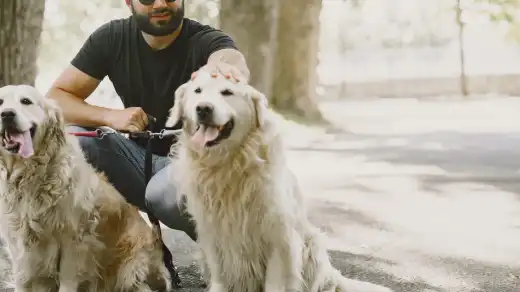
Why Giant Breed Dogs Age Faster Than Small Breeds
A vet explains the biology behind why a 150-pound mastiff is often geriatric at seven while a 12-pound terrier is still middle-aged — and what that means for how you care for a large dog.

Dog supplement ratings and clear verdicts approved by the veterinarian named on each article.
95 guides in this section.
A vet explains the biology behind why a 150-pound mastiff is often geriatric at seven while a 12-pound terrier is still middle-aged — and what that means for how you care for a large dog.
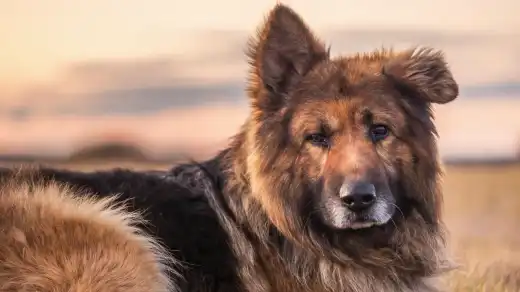
A TCVM-trained vet explains the mechanisms behind sudden inability to rise in senior dogs, the red flags that mean go now, and what can wait for morning.

A panel-review guide to reading a senior dog's water bowl — the thresholds, the endocrine differentials, and the exact signs that mean don't wait for the next annual exam.

A rehab-and-palliative vet walks through what coenzyme Q10 does in an aging dog's cells, what the canine evidence actually shows, and how to judge whether it's worth a spot in your senior dog's routine.

A house-call vet weighs the dog-specific evidence on pairing NAD+ precursors with resveratrol, where the safety data actually comes from, and what to watch for.
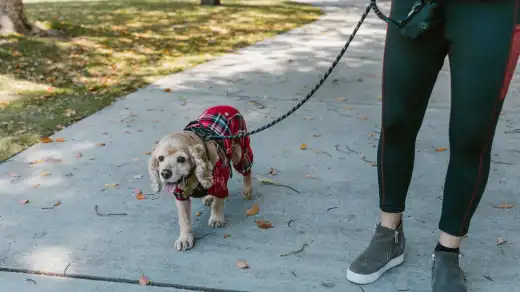
A neurologist's look at whether daily activity changes how a dog's brain, joints, and muscles age — and what the evidence supports versus what it doesn't.

A veterinary ophthalmologist explains what resting panting in an older dog can and can't tell you, the short list of causes worth ruling out, and when the sign is genuinely urgent.

A surgeon's checklist for the SAM-e conversation — what to ask before you start it, what the evidence actually supports, and where the answers get thin.
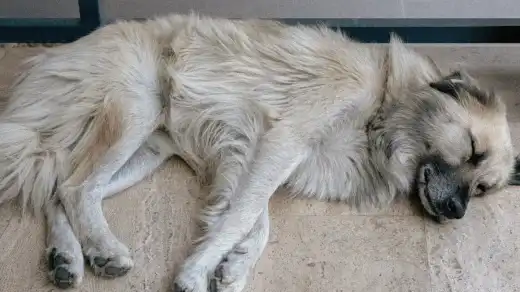
A vet's criteria for telling normal aging from a genuine heat-tolerance decline in older dogs, what changes physiologically, and when panting and slow recovery mean it's time to call the clinic.

A vet's guide to the specific behavior, mobility, and coat changes that suggest an aging dog might benefit from a longevity supplement, and what the evidence actually shows.

A vet's walkthrough of what belongs in a senior dog's annual exam — bloodwork, thyroid, blood pressure, urinalysis, and the mobility check owners skip.

A vet's checklist for what actually works when an older dog refuses a longevity supplement chew, and how to tell picky from a signal worth a vet visit.
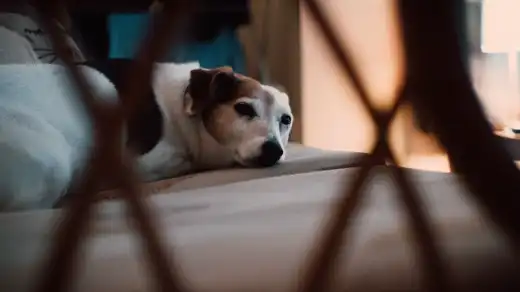
A vet's checklist for telling ordinary senior slowdown from canine cognitive dysfunction, plus what a real workup and integrative support plan look like.
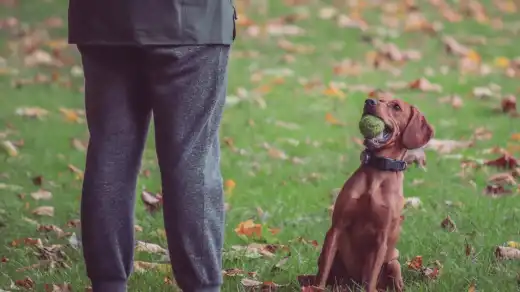
A panel-style look at turkey tail, reishi, and other medicinal mushrooms for dogs — what the dog-specific trials show, where the evidence thins out, and how to weigh the tradeoffs before you buy.

A TCVM vet's brand-neutral look at nicotinamide riboside chews for senior dogs who've stopped playing — what NR, quercetin, and resveratrol can and can't do, and how to tell fatigue from pain.

A vet panel breakdown of the real longevity-drug pipeline for dogs — LOY-002's FDA progress, the rapamycin trial, and what to do while you wait.

A vet's structure/function look at lion's mane mushroom for senior dog cognition — the nerve growth factor science, what's proven, what's still animal-model only, and how to weigh it against other longevity options.
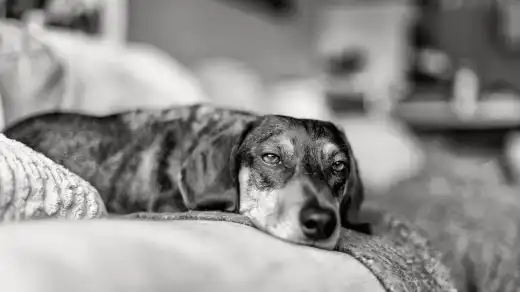
A vet's lifecycle guide to exercising senior dogs safely through summer heat, covering morning routines, midday risk windows, and evening wind-down.

A neurologist's evidence-bounded guide to scaling back, not shutting down, a senior dog's exercise routine as joints and nerves age.

A rehabilitation vet explains what actually changes in an aging dog's body, why "just give more" isn't the answer, and what dose-response evidence in senior dogs really shows.
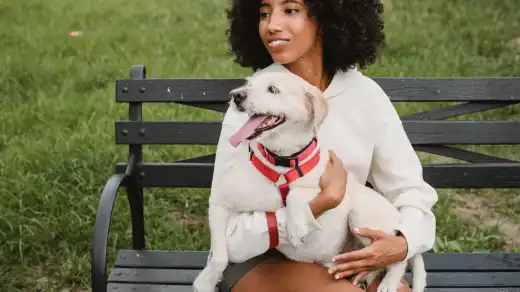
A vet's plain-language look at CoQ10 dosing in senior dogs — what the dog-specific research shows, why label math varies so widely, and where the evidence still falls short.
A vet-panel look at what bee pollen and propolis actually do for dogs, where the evidence is thin, and how to introduce either one safely.
A panel-style look at astaxanthin's antioxidant and joint-support evidence in dogs, safe dosing ranges, and what the research still can't tell owners.