
On this page
Parvo rarely starts with drama. A puppy who chased a ball yesterday just seems tired today, sniffs food and walks away, then vomits once — and you’ll wonder if it’s just an off day.
That quiet shift is the window our panel wants you to catch. Canine parvovirus moves fast in young, unvaccinated puppies, attacking rapidly dividing cells in the gut and bone marrow, and the classic bloody diarrhea most owners wait for is usually a late sign of gut injury and fluid loss, not the start.
The quiet early signs most owners miss
Lethargy comes first for many puppies. Not sleepy-after-play tired, but flat, slow to get up, less interested in you.
Appetite loss follows close behind. A puppy who normally inhales meals may lick, chew once, then leave the bowl. Vets often see this paired with a low-grade fever early on, then a drop to subnormal temperature as dehydration sets in.
Then vomiting starts — often foamy or yellow, repeated rather than a single spit-up. That matters because repeated vomiting in an unvaccinated puppy under 16 weeks quickly depletes fluids that are hard to replace at home.
Christopher noticed this pattern with Hendrix, his 6-month-old neutered Basset Hound mix in Vallejo. Hendrix skipped dinner, vomited twice overnight, and by morning had not touched water for about 8 hours. That timeline — eating to not drinking in under 12 hours — was the signal to call, not to watch one more day.
The Cornell University College of Veterinary Medicine describes this progression from lethargy and anorexia to vomiting and then diarrhea as typical for parvovirus infection, with severe dehydration developing quickly in small puppies.
Why bloody diarrhea means you’re already behind
Diarrhea does develop in most clinical cases, often watery at first, then bloody and foul-smelling as the intestinal lining sloughs. By that point the puppy has lost fluids, electrolytes, and barrier protection in the gut.
That gut barrier loss is why secondary infection is the real danger. When white blood cells fall at the same time the gut leaks, bacteria can move where they shouldn’t.
Don’t wait for blood to act.
The American Veterinary Medical Association notes that parvovirus is highly contagious, survives in the environment for months, and hits puppies hardest between 6 weeks and 6 months, especially when vaccination is incomplete.
Fever, belly pain, bloating, rapid heartbeat, and cold paws or pale gums point to worsening fluid loss and shock. Those puppies need hands-on care that day.
What to do in the next hour, not tomorrow
Call your veterinarian or an emergency clinic and say exactly this: age, vaccine status, when eating stopped, how many vomits, and whether stool has changed. Ask if you should come now and how to transport safely to limit spread.
Do not try to ride it out with bland food or over-the-counter remedies. Keep your puppy warm, offer small sips of water only if they can keep it down, and keep them away from other dogs, dog parks, and shared bowls.
Bring a list of recent contacts — littermates, daycare, pet store visits, sidewalks in the last 7 to 14 days. Parvo incubates for several days before signs show, and that history helps your vet triage.
If you have other puppies at home, wash hands, change clothes and shoes after handling the sick puppy, and ask your vet about isolation and disinfection. Household cleaners don’t all kill parvovirus; your clinic can advise on what does.
For context on gut-focused supportive nutrition during recovery, plain fiber sources are often discussed — see our comparison in Canned Pumpkin vs. Pumpkin Powder for Dog Digestion: The Vet Verdict — but food therapy to support normal appetite and hydration is supportive only, never a substitute for fluids, anti-nausea care, and monitoring. Keep whole-patient expectations realistic: supportive measures may help support comfort and hydration balance while the veterinary team treats the emergency, they do not cure parvo.
How vets confirm parvo and support recovery
Diagnosis usually starts with a fecal ELISA snap test in the clinic plus bloodwork to check white cells, hydration, and electrolytes, as outlined in the Merck Veterinary Manual.
Care is supportive and hospital-based for moderate to severe cases: intravenous fluids to support normal circulation and hydration, anti-nausea support, antibiotics when secondary bacterial risk is high, warmth, and careful refeeding once vomiting eases.
Ask about monitoring at home after discharge — what volume of water and food should stay down, how many vomits trigger a callback, and when to recheck.
Prevention is where you regain control. Complete the puppy vaccine series on schedule, avoid high-traffic dog areas until your vet clears it, and don’t let an unvaccinated puppy greet unknown dogs. If you’re weighing everyday immune support, our review of Bee Pollen and Propolis for Dogs: Benefits and Safety, Weighed Honestly explains where general nutrition to support normal immune function fits — and where it doesn’t replace vaccines.
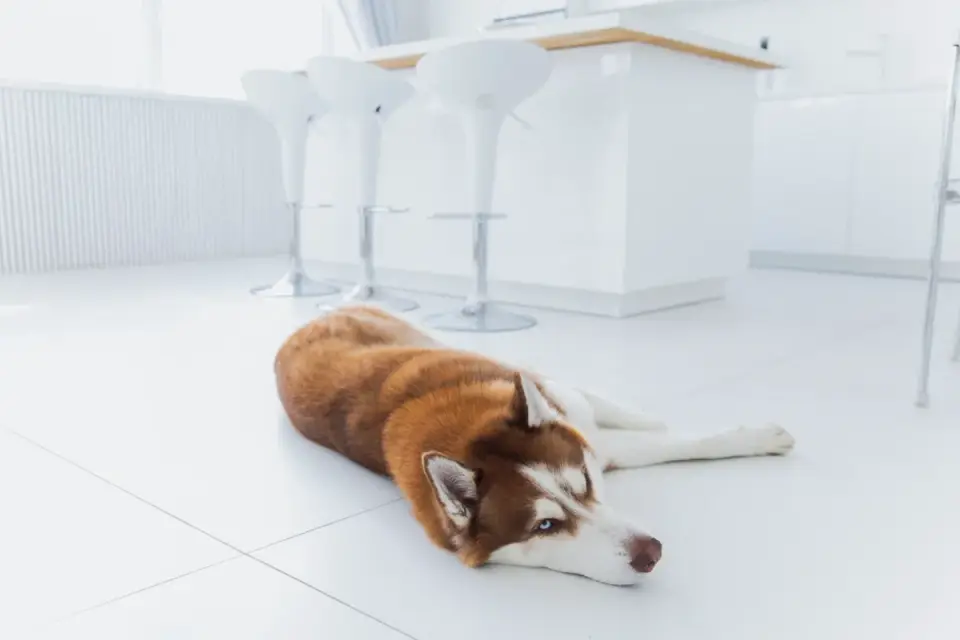
Riggins, a 5-month-old neutered Akita from Simi Valley, shows why speed matters. Owner Timothy called after three vomits in 6 hours and total food refusal, before any bloody stool. Early testing and fluids gave that puppy hours back — and with parvo, hours change outcomes.
Act on quiet plus vomiting. You’ll almost never regret calling early for parvo symptoms in puppies.
For related context, read Senior Dog Personality Changes: Normal Aging or Early Dementia?.
For related context, read Signs a Senior Dog Is Struggling More With Summer Heat Than Last Year.
Frequently asked questions
What are the very first parvo symptoms in puppies?
Lethargy, loss of appetite, and repeated vomiting usually come before diarrhea. Call your vet if an unvaccinated puppy under 6 months skips meals and vomits more than once.
Does parvo always cause bloody diarrhea?
No. Bloody, foul-smelling diarrhea is common but late. Waiting for blood delays fluids and supportive care that support hydration and circulation.
How fast should I act if I suspect parvo?
Within the hour. Puppies dehydrate quickly, and early testing plus hospital support gives the best odds. Isolate from other dogs and call ahead so the clinic can limit spread.
Sources
- Canine Parvovirus — Cornell University College of Veterinary Medicine
- Canine Parvovirus — American Veterinary Medical Association
- Canine Parvovirus — Merck Veterinary Manual