
On this page
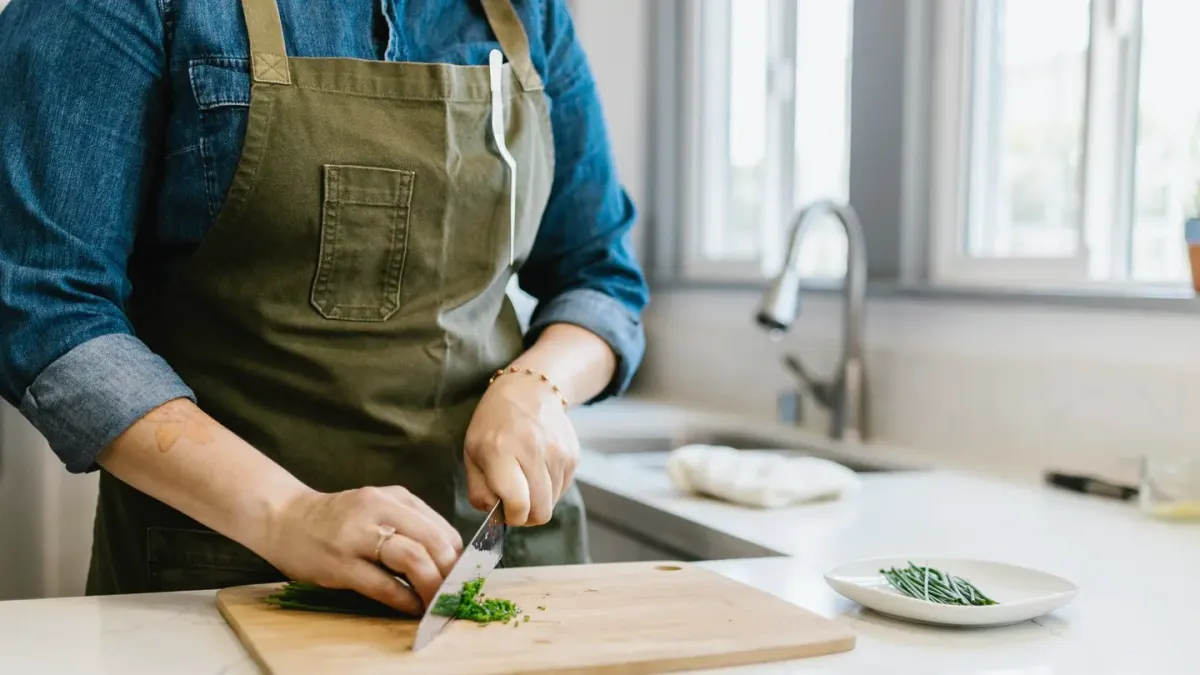
Yvonne keeps a small cutting board for Bonny, her 11-year-old spayed Akita mix in Baltimore, and for a week she wondered whether a sliver of fresh garlic in dinner might help with seasonal itch and firm up loose stools.
That question comes up in a warm, food-as-medicine way, and it deserves a straight answer before anything lands in the bowl:
- Garlic, onion, chive, and leek all carry the same family risk to canine red blood cells, and there is no kitchen-measured dose shown to be reliably safe.
- The touted wins for fleas, immunity, and digestion rest on thin or mixed evidence in dogs, while oxidative damage to hemoglobin is well described.
- Powder, cooked, aged, and oil forms still count, and small or senior dogs with less reserve face higher stakes from the same exposure.
- A garlic exposure with pale gums, lethargy, rapid breathing, or dark urine is an urgent veterinary call, not a watch-and-wait moment.
- Steady gut support comes from balanced fiber, adequate water, consistent feeding, and veterinary-tested probiotic strains, not from Allium plants.
When food therapy meets a plant that injures blood
In TCVM food therapy, warm and pungent foods may help support movement and digestion, yet pattern language never overrides known toxicity. Garlic sits in that boundary place where tradition sounds appealing and physiology pushes back.
The concern is oxidative injury to hemoglobin, with Heinz body formation and hemolytic anemia described after Allium ingestion in dogs. The Pet Poison Helpline lists garlic as toxic to dogs and notes that concentrated forms such as powders and supplements carry higher risk per amount eaten.
Cooking does not make this a settled kitchen project. Heat changes flavor far more than it removes organosulfur compounds, and dried powder concentrates what was in the fresh clove. That is why measuring with a knife tip, a capsule, or a splash of oil cannot create safety on its own.
What the toxicity references actually name
The ASPCA lists garlic as toxic to dogs, cats, and horses, which matters because many owners meet garlic first as a human wellness food. A dog is not a small person here. Canine hemoglobin is more vulnerable to oxidative damage, and repeated small exposures can add up rather than wash out.
VCA Hospitals describes the same Allium group effect from onion, garlic, chives, and leeks, with weakness, pale mucous membranes, rapid heart rate, and pigment in the urine when red cell loss becomes meaningful. Signs may lag several days after eating, which is one reason owners miss the connection.
There is no home scale that sorts a safe sliver from a harmful one across an 8-pound senior, a 60-pound adult, a dog with kidney disease, or a Japanese breed type already discussed in veterinary texts as potentially more sensitive. Vets often see the delay cause the most worry. A dog eats table scraps on Saturday, seems quiet on Tuesday, then presents on Wednesday with little appetite and pale gums.
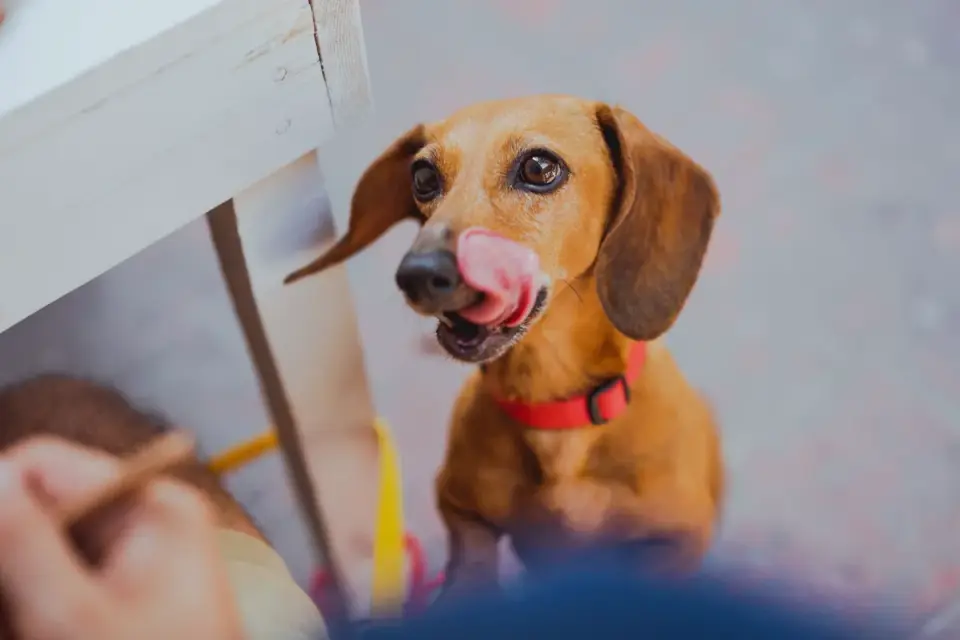
Bonny fits the pattern where caution runs highest. At 11 years old and living with the slower rebound of age, Yvonne decided to leave garlic out entirely and track stool quality, itch scores, and energy for two weeks on plain, consistent meals instead.
Why the supposed benefits do not carry the bowl
Owners usually reach for garlic for three reasons, and each has a steadier path.
Fleas come first. Garlic breath or skin odor is said to repel them, yet controlled canine flea data are thin, and flea control already has tested preventives with known margins. Immunity comes next. Antioxidant talk in test tubes does not equal immune support in a living dog, and an ingredient that can injure red cells is a poor way to nourish defense. Digestion comes last. Garlic is not a prebiotic fiber in the sense that pumpkin or acacia fiber is discussed for fermentation and microbial balance, and it can irritate the gut in sensitive dogs.
Readers comparing gentle gut options can see how differently the evidence is framed in Canned Pumpkin vs. Pumpkin Powder for Dog Digestion: The Vet Verdict and Canned Pumpkin vs. Pumpkin Powder for Dog Diarrhea: What the Evidence Actually Supports, where soluble and insoluble fiber, water content, and dose consistency are the working levers. For microbial support, Can You Combine a Senior Longevity Chew With a Joint Supplement? shows the calmer question to ask, which is how ingredients combine over months rather than whether one pungent add-in fixes the gut.
A single short paragraph carries the panel view.
Garlic may help support human recipes, yet for dogs it does not earn a place as a daily seasoning, a flea remedy, or a gut tonic.
The panel verdict and what to do instead
Paolo, an 8-year-old neutered Husky mix in Lafayette, gives the counterpoint. His owner Rodney considered garlic oil drops after reading about natural flea care, then chose a veterinary-approved flea preventive plus a three-mile morning walk routine and a 14-day food diary to sort itch from diet change. The itch diary gave the veterinarian something usable. The oil would only have added risk.
Our reviewing lens is simple. Where evidence is strong, we name it. Allium-linked hemolytic risk in dogs is strong. Where evidence is thin or mixed, we name that too. Garlic for fleas, immunity, or microbiome balance in dogs is thin. The verdict is to skip garlic in every form, including fresh cloves, powder, aged extract, and oil, and to keep onion, chive, and leek out of shared meals as well.
If exposure has already happened, save the package, estimate the amount and timing, and call a veterinarian or poison control promptly rather than inducing vomiting at home. If the goal is steadier digestion, keep meals consistent, offer fresh water, introduce fiber changes slowly, choose products with named strains and third-party testing, and review concurrent supplements with your veterinarian. That approach may help support normal stool and a balanced gut without asking red blood cells to pay the price.
For readers weighing botanicals more broadly, Bee Pollen and Propolis for Dogs: Benefits and Safety, Weighed Honestly is a useful next read on how to separate tradition from testable support.
Frequently asked questions
Is any amount of garlic safe for dogs?
No kitchen amount has been shown to be reliably safe across sizes, ages, and health states, and concentrated powders or extracts raise risk faster. Veterinary toxicology sources treat garlic as toxic to dogs, so the safest dose is none.
Does cooking garlic make it safe for dogs?
No. Cooking changes taste and texture but does not reliably remove the compounds linked to red blood cell injury, and drying into powder concentrates them. Cooked table food with garlic still counts as exposure.
Sources
- Garlic — ASPCA
- Garlic — Pet Poison Helpline
- Onion, Garlic, Chive, and Leek Toxicity in Dogs — VCA Hospitals