
On this page
A nine-year-old beagle named Winnie came into my exam room on a Tuesday afternoon because her owner had spent the weekend cleaning up loose stool off the laundry room floor. Winnie was eating fine, drinking normally, wagging her tail at the vet techs — no fever, no vomiting, nothing that screamed “emergency.” Her owner had already tried a spoonful of canned pumpkin at breakfast and dinner for two days, with only marginal improvement, and she’d read online that pumpkin powder might work “better” because it was more concentrated. She wanted to know if she should switch.
That’s a fair question, and it’s one I get several times a month in one form or another. So: does it matter which form of pumpkin you reach for?
What’s actually in the can versus the jar
Plain canned pumpkin puree is roughly 90% water by weight, which is part of why it’s gentle and rarely causes problems even when a dog eats a bit too much. The fiber it contains is a mixed bag — both soluble and insoluble — and it works partly by adding bulk and partly by feeding the fermentation processes in the colon that help normalize stool. Pumpkin powder is the dehydrated version of the same plant material, with the water removed, so a teaspoon of powder delivers meaningfully more fiber by volume than a tablespoon of canned puree. That concentration is the entire selling point of powder: less mass, same or greater fiber payload, easier to mix into a small dog’s food without diluting a meal.
Neither form is a purified fiber supplement, though, and that distinction matters more than the marketing suggests.
Where the evidence actually points
According to the American Kennel Club, pumpkin’s soluble fiber can add bulk to stool by absorbing water and may help lower colonic pH, and typical guidance runs from one to four tablespoons added to a meal, started small. That’s reasonable, structure-and-function-level advice, and it lines up with what I tell owners. But it’s worth being honest about what’s behind it: there isn’t a controlled clinical trial isolating canned pumpkin against pumpkin powder in dogs with diarrhea. What exists instead is a body of research on fiber therapy more broadly, and that’s where the more useful signal actually lives.
A study on the use of soluble fibre published via the National Center for Biotechnology Information looked at psyllium husk — a much more concentrated and higher-viscosity soluble fiber than pumpkin — in police working dogs with chronic large-bowel diarrhea, and found a “very good” or “good” response in the large majority of dogs supplemented with it. That’s a meaningfully different fiber source than pumpkin, but it demonstrates a principle I lean on constantly in practice: viscosity and concentration of soluble fiber, not the source ingredient itself, seem to drive the clinical response in large-bowel diarrhea. The Royal Canin Academy makes a similar point for clinicians — fiber type and fermentability change the physiologic effect, and not all fiber sources behave the same way in the gut. Pumpkin, canned or powdered, sits well below psyllium on that viscosity scale, which is a real reason it helps some dogs modestly and does little for others.
I’ve watched this play out enough times that I no longer treat “give pumpkin” as a complete answer. One of the dogs I worked with, a fourteen-year-old dachshund named Gus with intermittent soft stool tied to slow age-related motility changes, did reasonably well on a small daily amount of pumpkin powder mixed into his evening meal because his owner could measure it precisely with a half-teaspoon scoop and it didn’t add bulk to a meal he was already picky about finishing. A younger, food-motivated Labrador in the same week did just as well on canned puree stirred into a topper, because volume wasn’t a barrier for him and his owner liked being able to see and smell what she was feeding. Same intervention, same rough case category, different form driven entirely by the dog’s appetite and the owner’s ability to dose consistently — not by any inherent superiority of one product over the other.
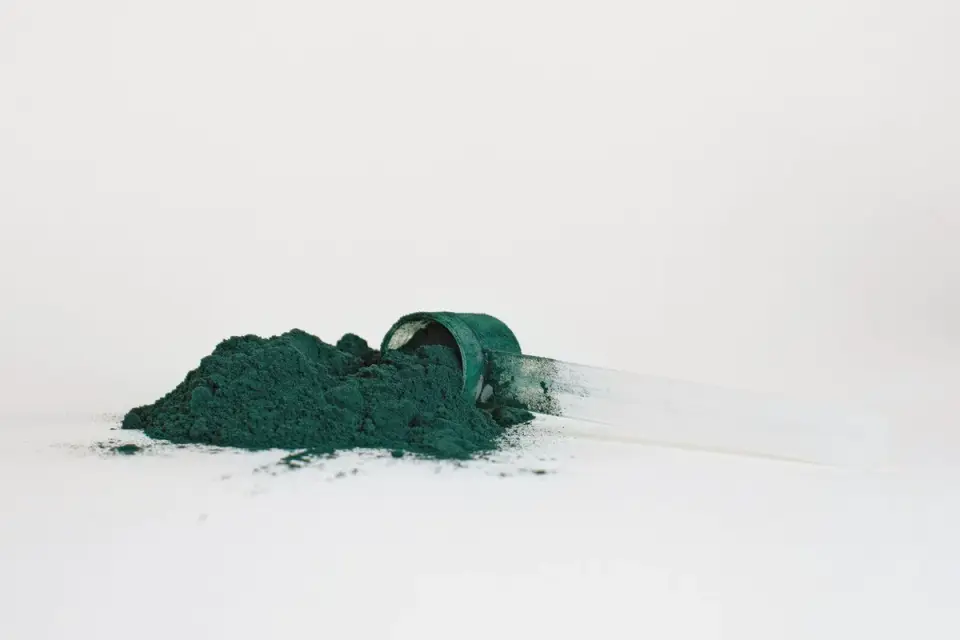
What actually changes the decision between the two forms
If your dog is small, picky, or already prone to a sensitive stomach, powder’s concentration cuts both ways — smaller doses are easier to titrate, but overshooting is also easier because a teaspoon carries more fiber than owners tend to assume. Canned puree’s dilution with water makes it more forgiving if you’re estimating rather than measuring, and its moisture content is itself mildly useful in a dog that’s lost fluid to loose stool. Shelf life and convenience are honestly the more common deciding factors I see in the exam room: an open can needs refrigeration and gets used up in days, while powder sits in a pantry for months and travels well for owners managing a dog with recurring GI sensitivity. None of that is a clinical argument for one over the other — it’s a compliance argument, and compliance is most of what makes any fiber intervention actually work.
It’s also worth being direct about the limits here. Fiber of either form is a supportive measure for mild, self-limiting soft stool in an otherwise well dog — it is not treatment for diarrhea caused by parasites, dietary indiscretion requiring intervention, pancreatitis, or an obstruction. If a dog is vomiting repeatedly, straining without producing stool, lethargic, or the diarrhea persists past 48 hours, pumpkin in any form is not an appropriate substitute for a veterinary exam. That’s a distinction I make with almost every owner who brings up pumpkin, because it’s the one that actually protects their dog.
Winnie’s case resolved the way most of these do. We ruled out anything more concerning with a quick exam, her owner switched to a measured half-teaspoon of pumpkin powder twice daily instead of eyeballing canned puree, and her stool firmed up over about four days. I can’t tell you the powder caused that any more definitively than the puree would have — dogs with mild dietary upset often resolve on their own regardless — but the switch gave her owner a dosing method she could actually stick to, which in my experience matters more than which jar it came from. If you’re weighing pumpkin against a different supplement format entirely, our guide on chew, powder, and liquid supplement forms walks through how absorption and compliance trade off more broadly, and the same logic that separates freeze-dried from powder supplements applies here too.
The verdict
Neither canned pumpkin nor pumpkin powder is the stronger clinical choice — the evidence base doesn’t support crowning one, and the mechanism (moderate soluble fiber, added bulk, added moisture from the canned version) is similar either way. What actually should drive your decision is dosing precision and your dog’s willingness to eat it: choose powder if you want an exact, small, shelf-stable dose you can scale carefully; choose canned puree if your dog does better with volume, moisture, and a food that reads as an actual meal topper rather than a supplement. Whichever form you pick, treat it as short-term support for mild soft stool, not as a fix for diarrhea that persists, worsens, or comes with vomiting, pain, or lethargy — at that point, see your vet before you see the pumpkin.
Frequently asked questions
Can I mix canned pumpkin and pumpkin powder together?
There's no established benefit to combining them, and doing so makes it harder to know how much total fiber your dog is actually getting. Pick one form and dose it consistently.
How much pumpkin powder is equivalent to a tablespoon of canned pumpkin?
There's no standardized conversion because water content and processing vary by brand, so start with a small amount — around a half-teaspoon of powder for a small dog — and follow label guidance rather than estimating a direct swap.
Is pumpkin pie filling an acceptable substitute?
No. Pie filling contains added sugar and spices, some of which can worsen GI upset or, in the case of nutmeg in large amounts, cause other problems. Use plain, unsweetened pumpkin puree or a plain pumpkin powder product.
Sources
- Can Pumpkin Help Dogs With Diarrhea? Benefits, Dosage, & Tips — American Kennel Club
- The use of soluble fibre for the management of chronic idiopathic large-bowel diarrhoea in police working dogs — National Center for Biotechnology Information
- Dietary fiber: the clinician's secret weapon — Royal Canin Academy