
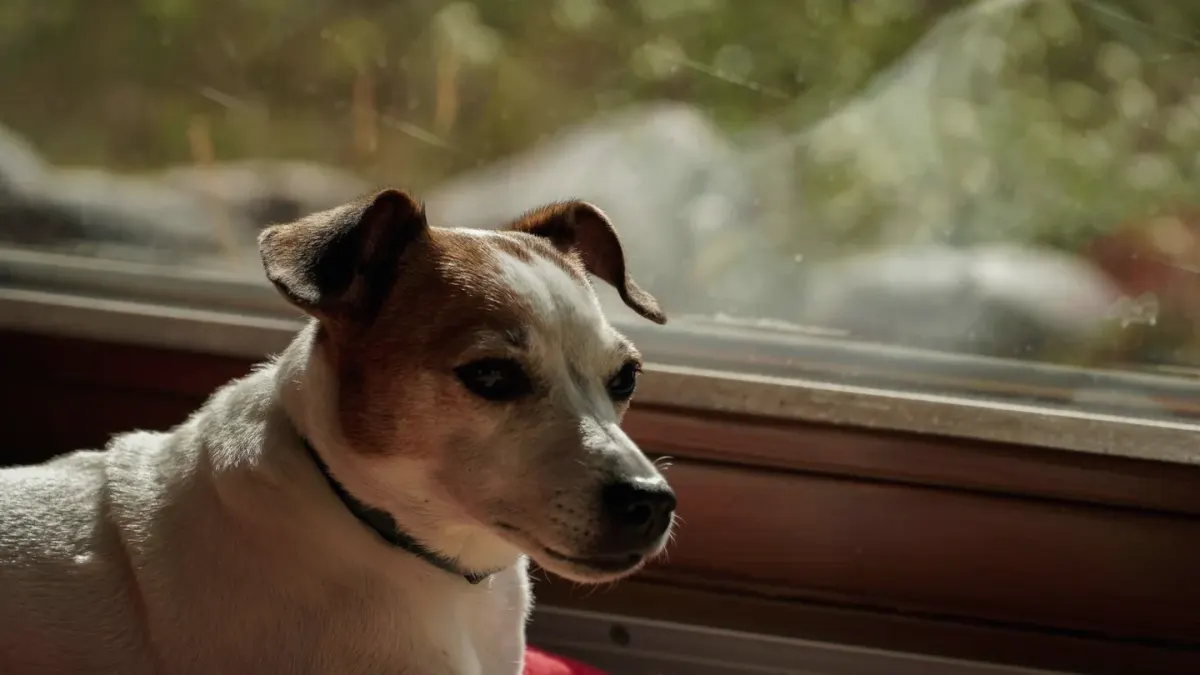
Book the back seat before you book the ride. Choose a driver who allows pets. Load a secured crate or a crash-tested harness. Crack a rear window two inches. Keep the leash short and the greeting quiet.
The driver pulled to the curb on a rainy Tuesday and a 4-year-old, 48-pound pit mix named only in my notes as a strong puller locked her legs at the open door. Her owner knelt low, tossed two treats onto the floor mat, and waited. Panting filled the car. Drool strung from her lip to the seat cover. The owner wanted to lift her in, and I told her not to. We gave the dog thirty seconds to sniff, then lured one paw, then two, then clicked the harness to the seatbelt tether. By the third block her panting slowed because the decision had been made concrete: control motion first, then address worry.
Board the dog last. Place a familiar blanket under her. Sit beside her, not across. Ask the driver to skip sudden lane changes and loud music. Start airflow early.
Read the nervous system before you correct the behavior
Watch for yawning, lip licking, whining, trembling, drooling, or scanning out both windows. Those signs reflect arousal in autonomic pathways, not disobedience. I reach for both the imaging study and the acupuncture needle here, because anxiety lives in circuits we can measure and in patterns we can settle through the body.
Stay anchored to how a modality is thought to work, not what it might cure. Pressure from your hand on the chest may help support steadier breathing. Slow stroking along the shoulders may help support lower muscle tension. A familiar chew may help support redirection away from scanning. None of these rewires fear in one ride. They lower input so the brain can habituate.
Teach a settle cue at home first. Pair a mat with treats for five minutes daily. Add engine sounds from your phone. Add gentle rocking. Bring that same mat into the taxi.
What I ask owners to do minute by minute
Keep your voice low and slow. Cue one behavior at a time. Reward quiet mouths and soft eyes.
A 9-year-old, 22-pound beagle I followed as a composite case had learned that a calming chew meant a long car trip was coming, and he began pacing when the bag crinkled. His owner had tried giving the chew in the lobby three weeks in, hoping earlier was better, and the drooling only started sooner. The tradeoff stung. Anticipation had paired the supplement cue with motion nausea. We moved the chew to non-travel days for two weeks, rebuilt the mat routine without driving anywhere, then reintroduced short parked-car sessions with the door open. His lip licking dropped by day 10, which told us timing and association mattered more than the ingredient itself.
For supplements, stay cautious and label-bound. Evidence varies by ingredient and species. A review in Biomedicines notes that “For the remaining species, evidence is derived mainly from preclinical studies or traditional use.” A systematic review in Cureus found that “A systematic review analyzed multiple RCTs and concluded that ashwagandha has a moderate positive impact on stress reduction and cognitive performance.” Research summarized in Molecular Psychiatry describes “except for one study on psychotic anxiety (SMD = 0.54; 400 mg/day for 8 weeks)” for L-theanine. Talk with your veterinarian before travel-day dosing, especially with sedatives or anti-nausea drugs.
Bring water and a lick mat. Skip a large meal within two hours. Offer a small bland snack if your vet approves. Plan a potty stop before pickup.
Learn more about general ingredient screening in our guide to Dog Anxiety Supplements: What Our Panel Looks For Before Trusting a Label and how chew formats differ in Dog Calming Chews: What the Evidence Actually Supports.
When the ride still goes sideways
Ask the driver to pull over if panting turns to howling or scrambling. Step out. Walk ten paces. Reset.
A 2-year-old, 65-pound shepherd mix surprised his owner by settling faster in a noisy minivan than in a quiet sedan six days in a row. The edge case was airflow and sightlines. In the low sedan he stared at passing headlights and braced on turns. In the higher van, with a crate covered on three sides and a forward vent, his trembling stopped by minute eight. The lesson changed our plan. Some dogs do worse with full visual access. Limit the view. Face the crate forward. Cover one side. Let the vestibular system get one clear signal instead of three competing ones.
End every ride the same way. Unclip inside the car. Exit on the curb side. Walk a short decompression sniff before entering the building.
Pack motion-sickness backup if your vet recommends it. Pack a spare leash. Save your driver rating note for pet-friendly handling. If fear keeps escalating across rides despite setup, ask for a behavior workup rather than pushing more travel. For related safety context on human products that sometimes enter dog bags, read Human Melatonin Gummies vs Dog Calming Chews: The Xylitol Risk Owners Miss.
Frequently asked questions
Should I hold my dog on my lap in a rideshare?
No. Keep the dog secured in a crate or harness with a seatbelt tether on the seat beside you. Lap holding increases fall and escape risk during sudden stops.
How early should we practice before a taxi ride?
Practice the mat, harness, and parked-car steps for several short sessions over one to two weeks when possible. Even two or three home sessions help more than trying everything first on travel day.
What if my dog gets carsick as well as nervous?
Ask your veterinarian about motion sickness options, feed a light meal gap before travel, maximize forward airflow, and limit visual scanning. Do not combine calming supplements with prescription sedatives without veterinary guidance.
Sources
- Chamomile and Related Species Review — Biomedicines
- Ashwagandha Stress and Cognition Systematic Review — Cureus
- L-Theanine Anxiety Meta-Analysis Update — Molecular Psychiatry