
On this page
For mild, diet-related looseness, plain cooked white rice with a little lean protein may help support firmer stools within 24 to 48 hours, then you taper back to regular food over a few days.
I treated this pattern often as dampness settling in the middle burner — in Western terms, a mildly irritated gut that needs rest, hydration, and an easy-to-digest meal. Food therapy leads here, acupuncture and Tui-na and herbs stay in reserve unless the pattern persists, and the whole plan only fits a dog who stays bright, hydrated, and hungry.
Claudia from Mesquite, Texas, called about Beasley, her 9-year-old neutered male Cockapoo, after a trash-can raid left him with soft, frequent stools but normal energy and thirst. That picture — sudden bland-diet-responsive looseness in an otherwise stable adult dog — is the narrow window where rice makes sense.
Why plain rice may help support a settled gut
White rice is bland, low-fat, low-fiber, and easy to digest, which is why veterinary bland-diet protocols pair a cooked starch with a lean protein during short digestive rest.
Rice does not bind toxins, rebalance flora, or treat infection. It simply reduces digestive work while intake and water balance recover, which may help support normal stool form alongside rest and close watching. That distinction matters for expectations: improvement should look like gradually firmer shape, less urgency, and steady energy — not instant perfect stools.
What the 24 to 48 hour window should look like
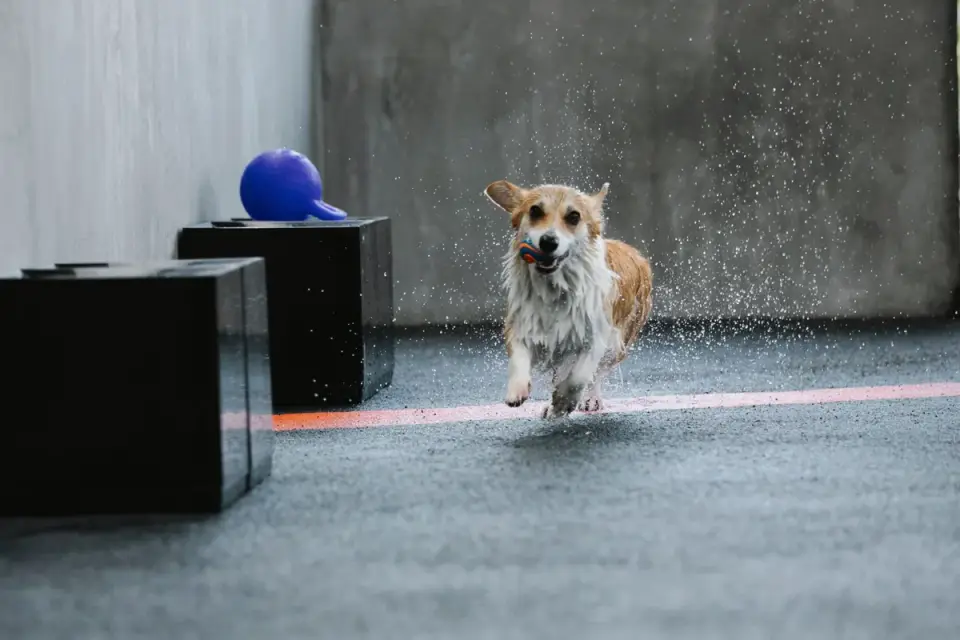
Most owners ask for an hour count, and the honest answer is a range. If the cause was a mild indiscretion and the dog is adult, vaccinated, hydrated, and pain-free, I expect less watery output by the next day and more formed stools by day two on small, frequent bland meals.
I follow that same food-therapy logic: roughly two parts cooked rice to one part lean protein, room temperature, in three to four small meals, with fresh water always available.
If stools are unchanged after 48 hours, worsen at any point, or return as soon as regular food resumes, stop counting on rice. That persistence means the problem is not a simple diet issue — think ongoing intolerance, parasites, foreign material, organ disease, or medication effects — and the dog needs an exam and fecal testing rather than a longer bland diet. Similar short-term fiber logic applies to pumpkin, as I explain in Canned Pumpkin vs. Pumpkin Powder for Dog Diarrhea: What the Evidence Actually Supports, but neither fiber nor rice should mask a lingering case. In-vitro fermentation work described in the Journal of Animal Science found bacterial alpha diversity metrics increased during acacia fiber fermentation, a reminder that fiber effects depend on type and context.
How to feed rice without slowing recovery
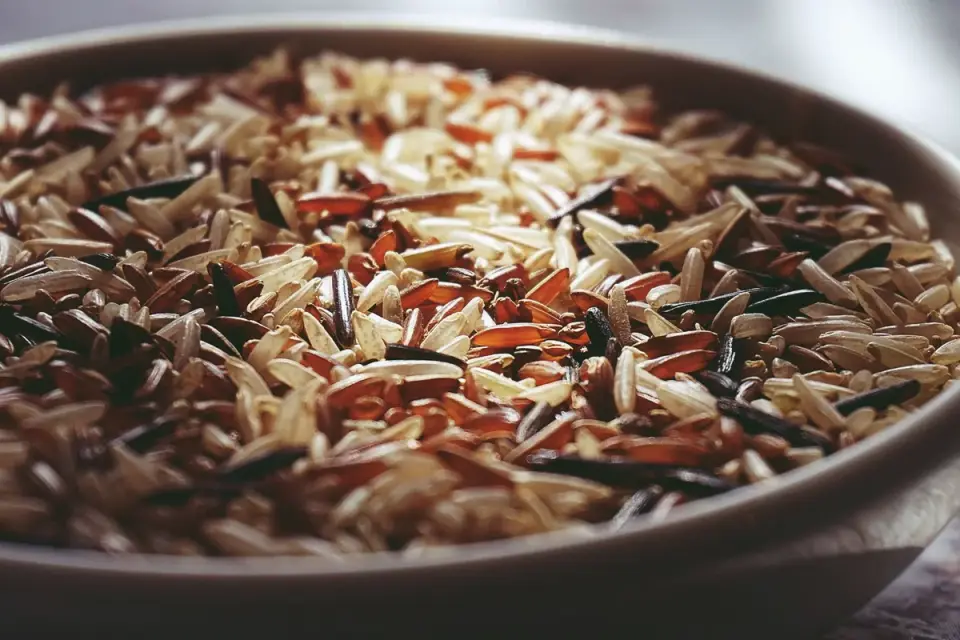
Cook long-grain white rice plain in water, with no butter, oil, onion, garlic, salt, or broth. Mix it fresh with plain boiled or baked boneless, skinless chicken breast or lean turkey, drained of fat. Brown, wild, or seasoned mixes add fiber and fat that can keep stools loose.
Keep portions small — a palm-sized meal for a Cockapoo-sized dog like Beasley, more for a large breed — and hold treats, chews, table scraps, and rich toppers during the bland period. Claudia fed Beasley four mini-meals, watched water intake and gum moisture, and kept walks short so she could score each stool. By morning two the puddles had shape again, so we began blending his regular kibble back in over three days.
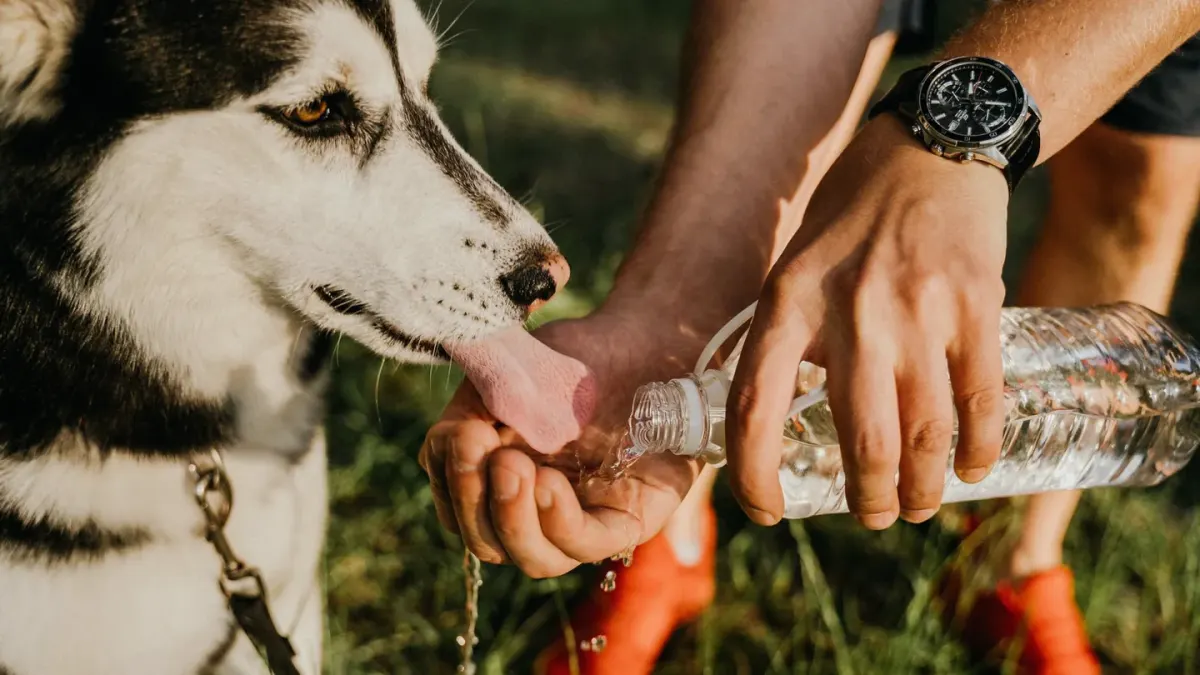
Do not fast adult dogs for long stretches to speed things up, and do not use anti-diarrheal drugs on your own. Puppies, seniors, small breeds prone to low blood sugar, and dogs on daily medication dehydrate faster; call sooner for them. Heat and activity raise fluid needs too, a point I return to in Why a Senior Dog Seems More Tired in Summer Heat Than She Used To and Does Regular Exercise Actually Slow the Aging Process in Dogs?.
When rice is the wrong tool
Skip home bland feeding and call your veterinarian promptly for bloody or black stools, repeated vomiting, belly pain or bloating, fever, profound lethargy, refusal to drink, signs of dehydration, suspected toxin or foreign-body ingestion, or diarrhea in an unvaccinated puppy. Those patterns sit outside food therapy and outside the scope of hands-on Tui-na comfort work until the Western diagnosis is clear.
From a TCVM view, I weigh cold-damp versus heat-damp signs beside hydration, appetite, and abdominal palpation; from a Western view, I weigh duration, blood, pain, and systemic signs. Either lens leads to the same rule: a brief rice trial for a bright dog with mild looseness, a prompt exam when the timeline stretches, blood appears, or the whole patient looks ill.
Beasley firmed up, finished his transition, and kept his breakfast appetite — a simple indiscretion that resolved. Had he stayed loose past day two, we would have brought him in for fecal testing and a hands-on exam rather than extending rice another week.
Frequently asked questions
How long should I feed rice for dog diarrhea?
For a bright adult dog with mild looseness, feed small bland meals of plain white rice plus lean protein for 2 to 3 days, then blend regular food back in over 3 days. If stools do not improve within 48 hours, seek veterinary care.
Is white rice or brown rice better for diarrhea?
Use plain cooked white rice for short bland feeding. Brown and wild rice contain more fiber and fat, which can keep stools soft during recovery.
When should I skip rice and call the vet?
Call promptly for bloody or black stools, repeated vomiting, belly pain, fever, lethargy, refusal to drink, dehydration, suspected toxin or object ingestion, or diarrhea in a very young, senior, or unvaccinated dog.
Sources
- Acacia fiber fermentation and bacterial alpha diversity — Journal of Animal Science