

On this page
In Garland, Texas, Sherry watched Fez, her 8-year-old intact male Labradoodle, push kibble around his floor bowl for almost ten minutes before lying down to finish it, and she wondered if lifting the bowl would help support normal eating posture and comfort.
Swallowing in dogs depends on coordinated esophageal peristalsis, neck flexion, and gravity-assisted transit to the stomach, and for a healthy dog that system works well from floor level. Raising the bowl changes head and neck angle, which may help support more comfortable swallowing in selected dogs with impaired esophageal or musculoskeletal function, but it does not improve digestion itself in a normal dog.
That distinction explains the current veterinary position. For most adult dogs, floor feeding may help support normal function without added risk, while elevation is a medical tool rather than an upgrade.
Why Floor Level Remains The Default
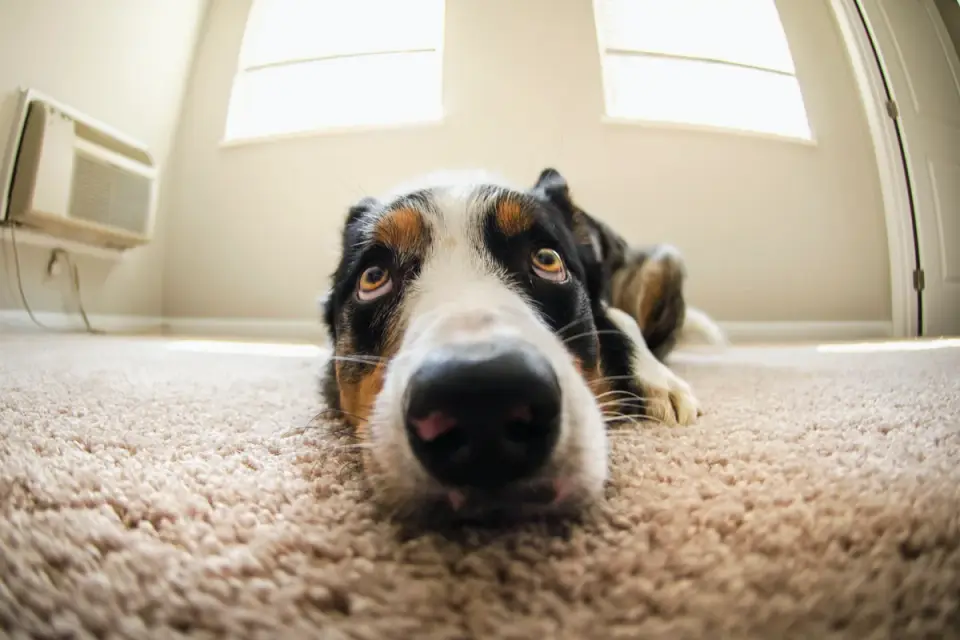
Healthy dogs evolved to eat with the head lowered. Neck flexion lengthens the esophagus slightly and allows rhythmic peristalsis to move a bolus efficiently, and normal dogs clear food and water without strain.
The concern with routine elevation comes from bloat research. A large prospective study of risk factors for gastric dilatation-volvulus reported an association between feeding from a raised bowl and increased GDV risk in large and giant breeds, and that finding continues to shape preventive advice. The American Veterinary Medical Association journal published that analysis, and clinicians who manage deep-chested breeds still weigh it carefully.
VCA Hospitals notes that GDV is a life-threatening emergency linked to breed conformation, feeding practices, and eating speed, not to any single cause. Because the evidence on raised bowls points toward harm rather than help for at-risk dogs, routine elevation cannot be justified for prevention of bloat or for cleaner eating.
When Elevation May Help Support Comfort
There are exceptions, and they are specific. Dogs with megaesophagus, severe cervical arthritis, or marked mobility limits may struggle to lower the head, keep food down, or stand long enough to finish a meal.
In megaesophagus, reduced esophageal motility allows food to pool instead of transiting normally. Upright or elevated feeding, often in a Bailey chair with a held vertical position for 10 to 15 minutes after meals, may help support more normal swallowing function and quality of life alongside veterinary management. The Merck Veterinary Manual describes this need for assisted feeding posture as part of whole-patient supportive care.
A similar logic applies to selected senior dogs with neck pain or forelimb weakness. If standing with the head down shortens meals, increases regurgitation, or reduces intake, a low raise that brings the rim to chest height may help support comfortable intake and daily nourishment. That decision belongs with the dog’s own veterinarian, who can weigh arthritis care, body condition, and neurologic status together, much as when combining a senior longevity chew with a joint supplement or reviewing EPA vs. DHA ratio in fish oil for dogs requires looking at the whole plan rather than one product.
In practice, vets often see the same pattern as with Charlee, a 3-year-old spayed female Miniature Australian Shepherd from Green Bay, Wisconsin, whose owner Luke considered a tall stand because she ate quickly over a 3-foot kitchen run. Speed, not height, was the issue. A slow feeder on the floor supported normal eating behavior without adding GDV-associated risk.
What I Would Need To Change This View
Pairing rigorous evidence with whole-patient support means staying open to better data. A prospective, breed-stratified trial showing that a defined bowl height improves esophageal transit, reduces regurgitation, or supports quality of life in healthy dogs without increasing GDV risk would change this recommendation.
That evidence does not exist now. What we have is an association with harm in large breeds, clear benefit only in defined medical conditions, and no demonstration of comfort or digestive advantage for the average dog.
Short guidance: keep the bowl on the floor unless your veterinarian identifies megaesophagus, significant neck or mobility disease, or another reason elevation may help support normal function.
How To Set Bowl Height With Your Vet
If elevation is advised, keep it modest and measured. Chest height, not head height, is usually enough to reduce neck flexion while preserving stable footing. Use a sturdy, tip-proof stand, keep water at the same level during the trial period, and track intake, regurgitation episodes, body weight, and meal duration for two to four weeks.
Reassess if coughing, choking, restlessness, or abdominal distension develops. Those signs warrant prompt veterinary evaluation rather than further adjustment at home.
For related context, read Canned Pumpkin vs. Pumpkin Powder for Dog Digestion: The Vet Verdict.
For related context, read Canned Pumpkin vs. Pumpkin Powder for Dog Diarrhea: What the Evidence Actually Supports.
Frequently asked questions
Do vets recommend raised dog bowls for large breeds to prevent bloat?
Usually no. Research has linked raised feeding to higher GDV risk in large and giant breeds, so most vets keep at-risk dogs on floor-level bowls with slow-feeder strategies and individualized feeding plans.
When might a vet advise a raised bowl?
For dogs with megaesophagus, severe neck arthritis, or mobility limits that make lowering the head difficult, a veterinarian may advise modest elevation to help support comfortable swallowing and normal intake.
Sources
- Incidence of Gastric Dilatation-Volvulus and Associated Risk Factors — American Veterinary Medical Association
- Bloat - Gastric Dilatation and Volvulus in Dogs — VCA Hospitals