
On this page
No, dogs do not sweat through the tongue in the way people sweat through skin, because the tongue cools them mainly through panting-driven evaporation and increased airflow rather than active sweat-gland secretion, which means rapid or labored panting deserves attention as a thermoregulatory signal before heat stress progresses.
How panting cools without true sweating
Dogs have very few functional sweat glands across haired skin, with the main eccrine-type glands confined largely to the paw pads and nose, so whole-body cooling depends on moving warm, moisture-laden air out and cooler air in across the moist surfaces of the tongue, mouth, and upper airway. As the respiratory rate rises and the tongue extends, evaporation carries heat away while increased nasal and oral blood flow brings more warm blood close to the surface, a coordinated autonomic response that may help support temperature balance alongside rest, shade, and water rather than acting as an isolated fix.
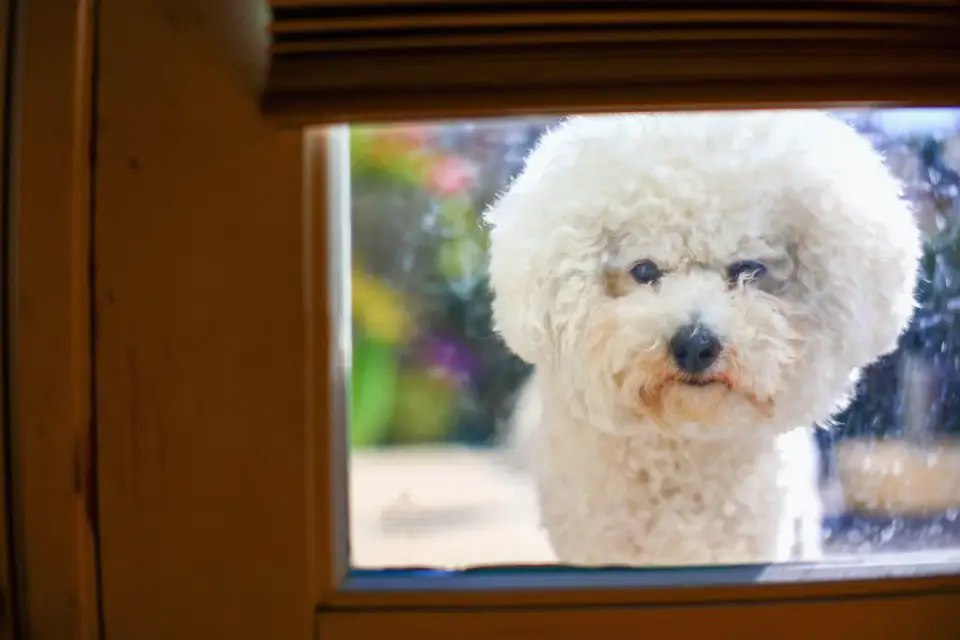
The American Kennel Club explains that panting is a normal cooling mechanism in which rapid breathing increases evaporation from the tongue and lungs, while also noting that excessive, noisy, or effortful panting can signal pain, anxiety, or overheating rather than routine cooling.
Where dogs do sweat a little
Owners sometimes notice damp paw prints on a hot exam table or during stressful visits, and that moisture comes from paw-pad glands rather than the tongue. The nose also stays moist partly from lateral nasal glands and licking, which may help support scent function and slight evaporative loss, but neither site produces enough sweat to regulate core temperature the way human sweating does. Stress-related panting can look similar to heat-related panting, so context matters: a dog pacing at night in a cool house, as discussed in Why Does My Dog Pace Back and Forth at Night?, is more likely to be anxious or uncomfortable than overheated.
When panting means overheating
Normal post-exercise panting should gradually slow once the dog rests in shade with water, with the tongue returning from wide and flat to a narrower resting shape and the breathing becoming quieter. Call a veterinarian promptly for heavy, unrelenting panting with thick drool, bright red or pale gums, vomiting, stumbling, glazed eyes, or collapse, and move the dog to shade while offering small amounts of cool water rather than ice or forced drinking. The VCA Hospitals heatstroke guidance describes how prolonged excessive panting, drooling, restlessness, and then lethargy or collapse can mark dangerous overheating that needs immediate veterinary cooling and monitoring.
Lowering heat and stress load safely
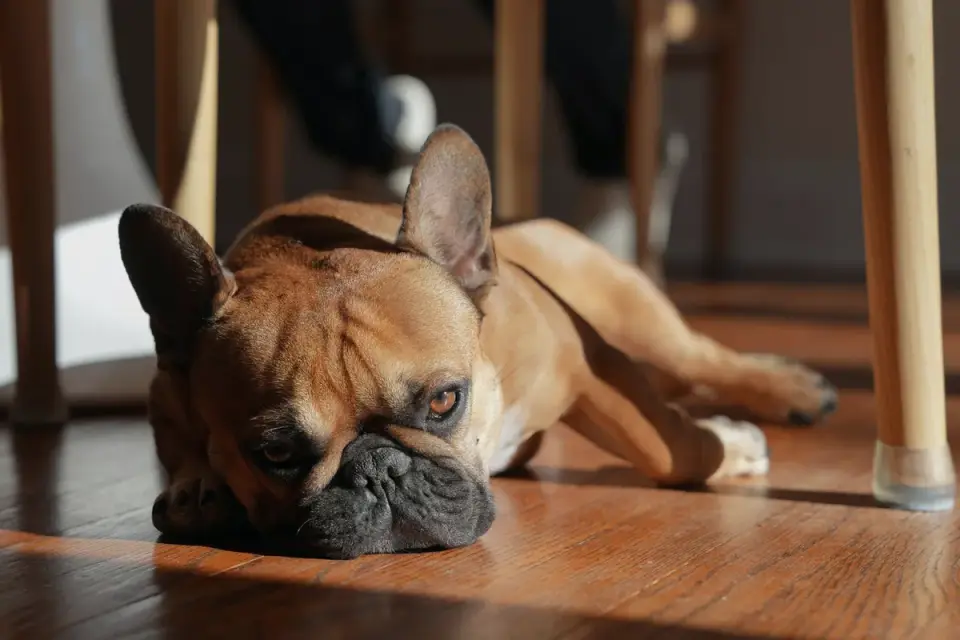
Brachycephalic breeds, older dogs, puppies, dogs with laryngeal disease or heart disease, and dogs with dense coats lose heat less efficiently, so short walks during cooler hours, shade breaks, cool mats, and calm resting routines protect the nervous system from repeated sympathetic arousal. For dogs that pant during storms, travel, or separation, addressing the trigger with training, predictable routine, and veterinary guidance matters more than expecting any single herb to cool them, although botanicals traditionally used to support relaxation are sometimes part of a broader calming plan discussed with a veterinarian, as with Chamomile Dosage for Dogs: What Our Panel Actually Recommends.
Frequently asked questions
Do dogs sweat through their tongue?
No. The tongue cools mainly by evaporation during panting, not by sweat glands. Small amounts of true sweat come mostly from paw pads.
Is a wet tongue a sign my dog is cooling well?
A moist tongue during light panting after play is normal, but persistent heavy panting, thick drool, red gums, or weakness suggests overheating and needs prompt veterinary care.
Sources
- Why Do Dogs Pant? — American Kennel Club
- Heat Stroke in Dogs — VCA Hospitals