
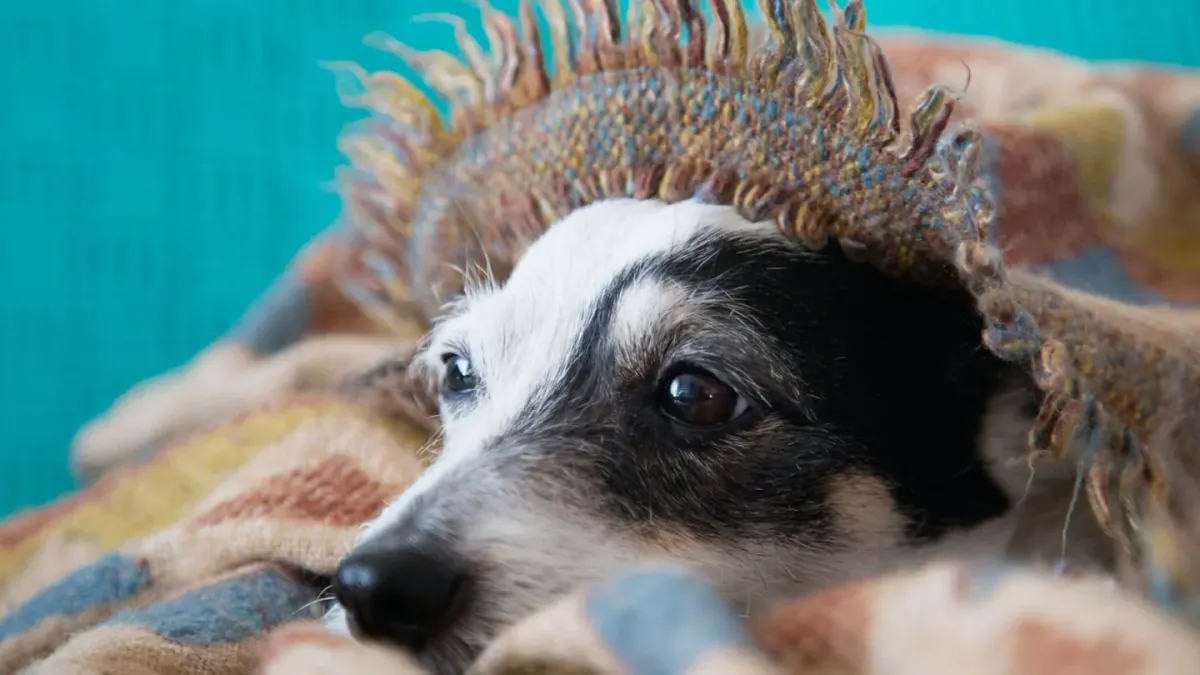
Redness is blood vessel congestion. The conjunctiva and episclera carry those vessels. Congestion means inflammation, irritation, or increased intraocular pressure. A red eye is rarely a wait-and-see problem. Painful causes can damage vision within a day or two. The teaching point is simple: redness plus pain needs same-day assessment.
What Redness Is Telling You About Pressure and Pain
The cornea has no blood vessels. Redness comes from surrounding tissue. That tissue responds to surface injury and to disease inside the eye. A corneal ulcer exposes nerves. That exposure causes squinting and tearing. Corneal Ulcers in Dogs describes how surface defects can deepen and threaten the globe when infection or rubbing continues. Glaucoma works differently. Fluid drainage fails. Pressure rises. Glaucoma in Dogs explains why sustained pressure damages the retina and optic nerve, sometimes permanently. Uveitis sits between those mechanisms. Inflammation inside the eye leaks protein and cells. The eye looks red and often looks cloudy or small.
Vets often see owners hope a red eye will clear overnight. In practice, pain signs settle the question faster than color alone.
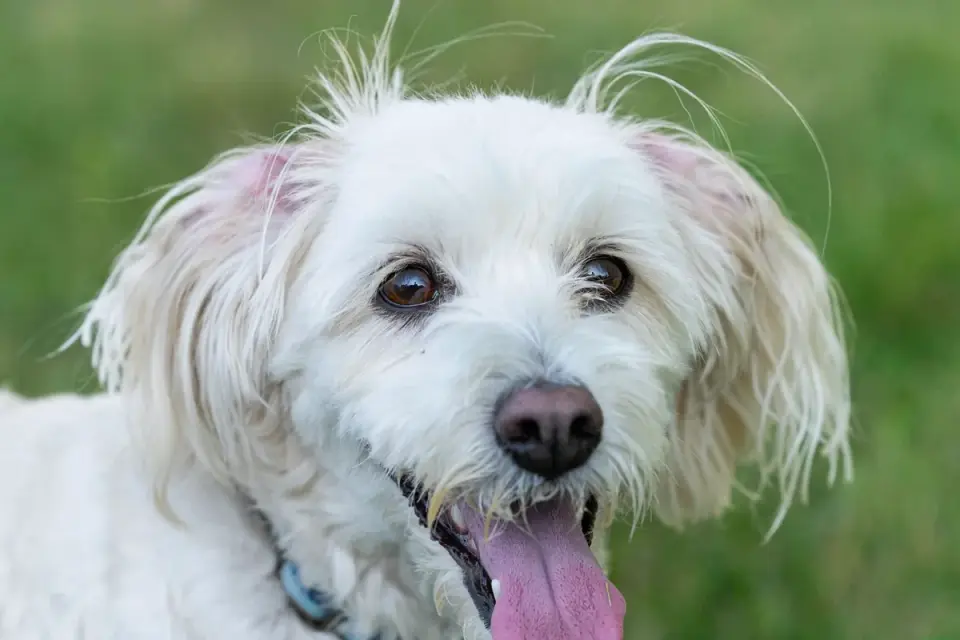
Woodrow, a 14-year-old neutered male Maltipoo in Dallas, shows the pattern. His owner Kurt noticed redness in one eye at breakfast with squinting. The dog pawed twice and then kept that eye half closed for 6 hours. That unilateral squinting moved the decision from monitoring to calling the clinic that afternoon.
Same-Day Signs Versus Next-Available Signs
Compare pain behavior first. Squinting, pawing, rubbing on furniture, or refusing to open the eye signals ocular pain. One idea matters here: ocular pain warrants same-day examination. Compare one eye against two. One red, painful eye raises concern for ulcer, foreign body, or glaucoma. Two mildly red eyes with discharge suggests conjunctivitis or allergy, which is less urgent but still needs evaluation. Compare vision and appearance. Cloudiness, blue haze, enlarged pupil, bulging, bleeding, or sudden vision loss needs emergency care. Mild pinkness without squinting can wait for a next-available appointment if the dog is comfortable.
Do not use leftover eye drops. Steroid drops worsen some ulcers. Glaucoma drops do not treat infection. Saline rinse is the only safe at-home step for debris, and then stop rubbing with an e-collar if you have one.
What the Exam Will Settle Before Treatment
The exam measures what owners cannot see. Fluorescein stain reveals an ulcer. Tonometry measures pressure. Slit-lamp magnification finds foreign bodies and anterior-chamber inflammation. That sequence decides therapy. Ulcers need topical antibiotics and pain control. Glaucoma needs pressure-lowering drugs and often referral. Uveitis needs a cause search, including systemic disease. Evidence would change this recommendation if painless redness alone predicted safe self-resolution. Current evidence does not. Surface disease and pressure disease look similar without instruments.
Dogs with chronic eye or age-related issues need closer follow-up, much like other senior dog changes that warrant a vet visit should not wait. Owners managing long-term oxidative or metabolic support often ask about supplements such as astaxanthin evidence for dogs, but no supplement replaces pressure measurement or stain testing for a red eye.
Call the clinic and report laterality, squinting, discharge type, and vision. Ask for same-day care when pain, cloudiness, or vision change is present. Bring medication bottles and note any trauma, shampoo, trail dust, or play with another dog.
Sources
- Corneal Ulcers in Dogs — Corneal Ulcers in Dogs
- Glaucoma in Dogs — Glaucoma in Dogs