
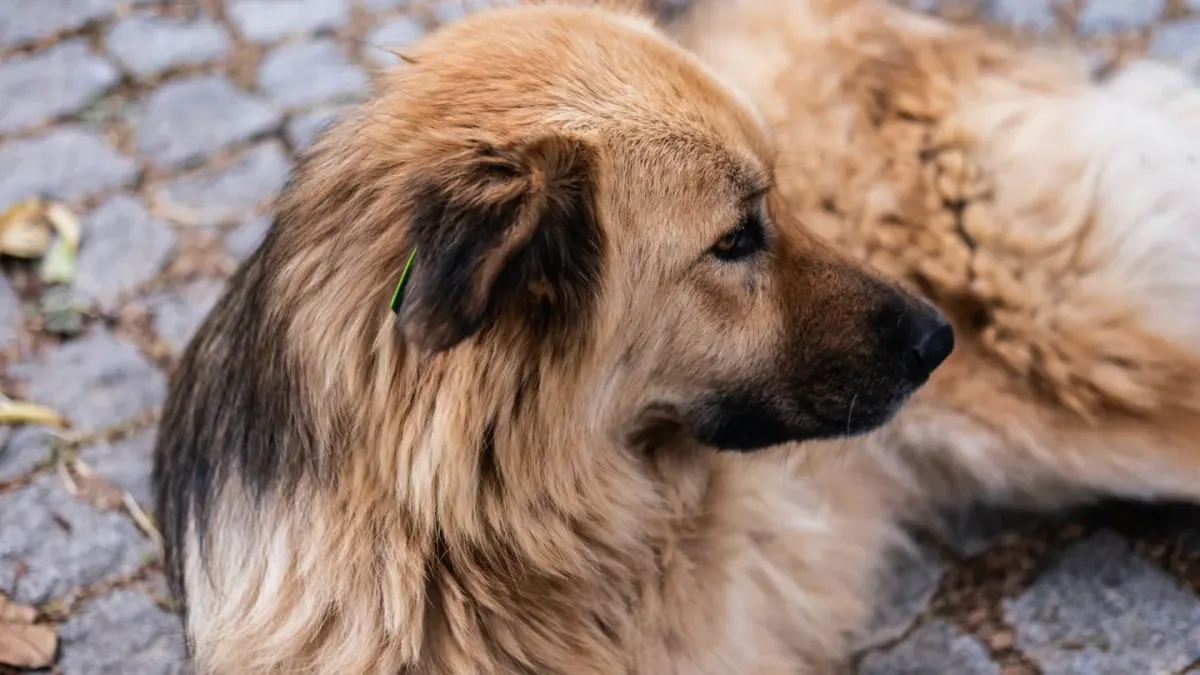
Shannon sets her coffee down, steps through the baby gate to grab laundry, and Raiden, her 6-month-old intact male Pomeranian in Greensboro, North Carolina, starts whining before she reaches the hallway. Within 90 seconds he is yelping at the gate, paws up, unable to settle even though he was playing calmly a moment before. Vets often see this exact pattern in young puppies, and it worries owners who have to choose between rushing back every time and shutting the door to let him cry it out.
Crying when you disappear is normal developmental behavior, not disobedience. Puppies are social sleepers and followers by design, and a new home has just replaced littermates with one or two people. From that view, vocalizing when you leave the room is a distance-reducing signal: stay close, stay safe.
Why leaving the room triggers crying in young puppies
Attachment comes before independence. At 8 to 16 weeks and well into adolescence, most puppies have not learned that a person out of sight still returns, so a closed door can trigger arousal that shows up as whining, barking, pacing, or scratching. Sound familiar? That is also why many owners notice worse evenings and bedtimes, a pattern discussed in Why Does My Dog Pace Back and Forth at Night?.
Body comfort matters too. A tired, hungry, full-bladdered, or overtired puppy has less capacity to self-regulate. As an integrative veterinarian, I braid that musculoskeletal picture with whole-patient balance: a puppy who can rest in a supported lying posture, move freely during the day, and settle without tension through the neck, back, and hips is better able to learn calm than a stiff, wired puppy asked to relax on cue.
The American Kennel Club describes separation-related vocalizing and distress as common in young dogs, and notes that gradual practice with short absences helps puppies learn that departures predict return.
True separation anxiety is different from puppy protest. Everyday puppy crying usually stops within a few minutes once distracted, happens mainly at the moment of departure, and improves with routine.
Worrisome signs point toward a bigger problem.
When worry becomes a behavior problem
Most room-leaving cries fade as independence grows. Consider a behavior evaluation if crying escalates to panic rather than protest: drooling, panting when it is not hot, escape attempts, injury to nails or teeth, house-soiling in a previously reliable puppy, or inability to eat when alone. The VCA Hospitals overview makes a similar distinction between mild puppy distress that responds to routine and panic-like separation anxiety that needs a structured plan.
Medical rule-outs come first. Pain, gastrointestinal upset, urinary urgency, itch, or poor sleep can lower the threshold for vocalizing. In practice, puppies in growth phases or teething phases often cry more for a week or two, then stabilize.
The middle path that teaches calm independence
Neither constant comforting nor ignoring it outright teaches what the puppy needs to learn.
Rushing back to soothe every whimper can reinforce the sequence without meaning to: I cry, you appear. The puppy never practices the skill of settling while uncertain. Cold-turkey ignoring can do the opposite harm, flooding a young nervous system until crying spikes, then shuts down from exhaustion rather than learning.
Gradual independence training sits between them. It may help support relaxation as a learned structure-and-function pattern: brief, successful absences repeated often, paired with rest, movement, and predictable cues.
Start with micro-departures inside the home. Step behind a door for three seconds, return before crying starts, reward quiet with calm attention or a tossed kibble. Build to 10 seconds, 30 seconds, two minutes across days, not in one marathon session. Vary the cue so the puppy does not fixate on doorknobs or shoes: pick up keys and sit down, put on a coat and make tea.
Anchor the lesson to a rest spot. A pen, crate if already crate-trained, or mat with a chew gives the body a job while the mind learns. Keep departures boring and returns boring. No long goodbyes, no excited reunions.
Daily movement helps, but overtiring backfires. Regular age-appropriate play, sniff walks, and training games support balanced tone and sleep, a link explored in Does Regular Exercise Actually Slow the Aging Process in Dogs?. An exhausted puppy is often a louder puppy.
Botanicals and bodywork sit in a supporting role, never as cures. Chamomile and Valerian Root have been used in traditional herbal care to support relaxation, and L-theanine is an amino acid found in tea that has been studied for its calming properties. Evidence in puppies for stress support is thin to mixed, so I treat them as adjuncts that may help support calm alongside training, routine, and veterinary guidance, not replacements for it.
Consistency beats intensity. Three five-minute sessions beat one frustrated hour.
Frequently asked questions
Should I ignore my puppy when he cries if I leave the room?
Do not ignore prolonged distress, and do not rush back to soothe every sound. Return briefly before crying escalates, reward quiet, then gradually lengthen absences over days.
How long before puppy crying when I leave improves?
Many young puppies improve within one to three weeks of consistent short practice, predictable sleep and potty routine, and calm departures. If panic, injury, or house-soiling persists, ask your veterinarian for a behavior plan.
Sources
- Separation Anxiety in Dogs — American Kennel Club
- Separation Anxiety in Dogs — VCA Hospitals