
On this page
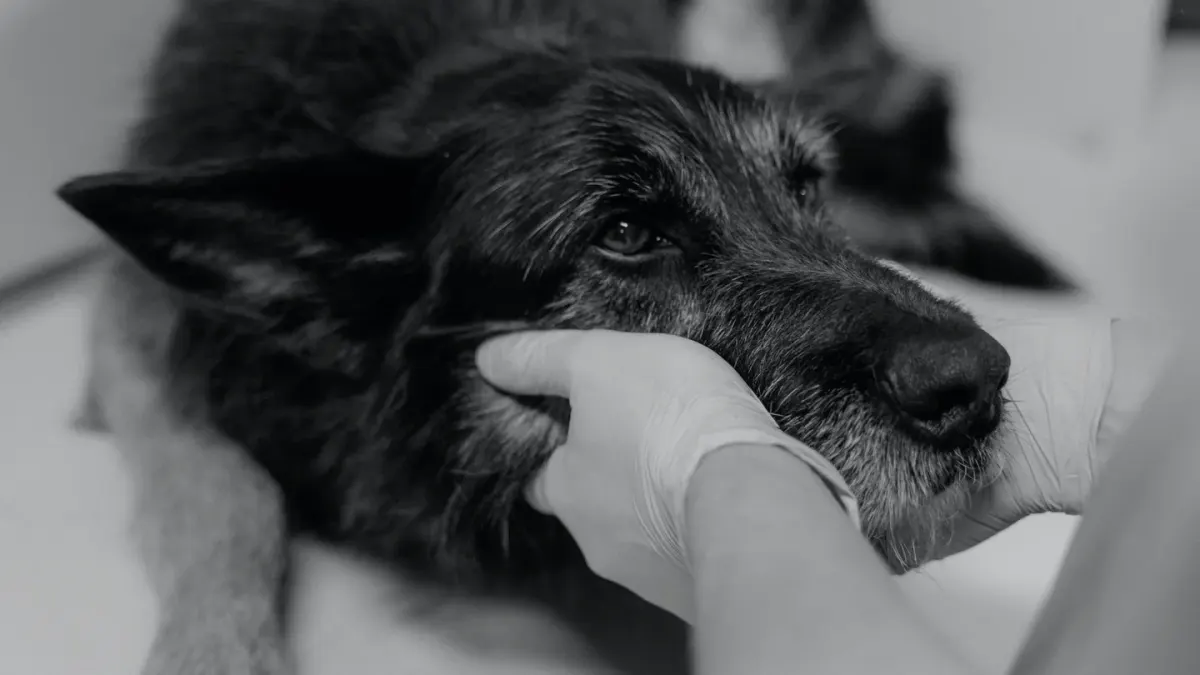
Your dog is not being stubborn at the clinic door. The lobby smells of disinfectant and other anxious animals, the floor is slick underfoot, strangers reach for the head and ears and feet, and every past needle or thermometer memory sharpens the next approach into a threat the amygdala answers before thinking can intervene, while the whole-patient pattern of fatigue, hunger, pain, or an already full day lowers the threshold further.
I treated many neurology patients whose owners apologized for growling or trembling, yet the behavior made physiologic sense when set beside the nervous system that produced it. A dog that learned that white coats predict restraint and discomfort may help support its own protection by freezing, fleeing, lip-licking, yawning, panting, drooling, or vocalizing, and those early signals often go unnoticed until the dog escalates to snapping because quieter language did not work.
1. The clinic stacks triggers the home never does
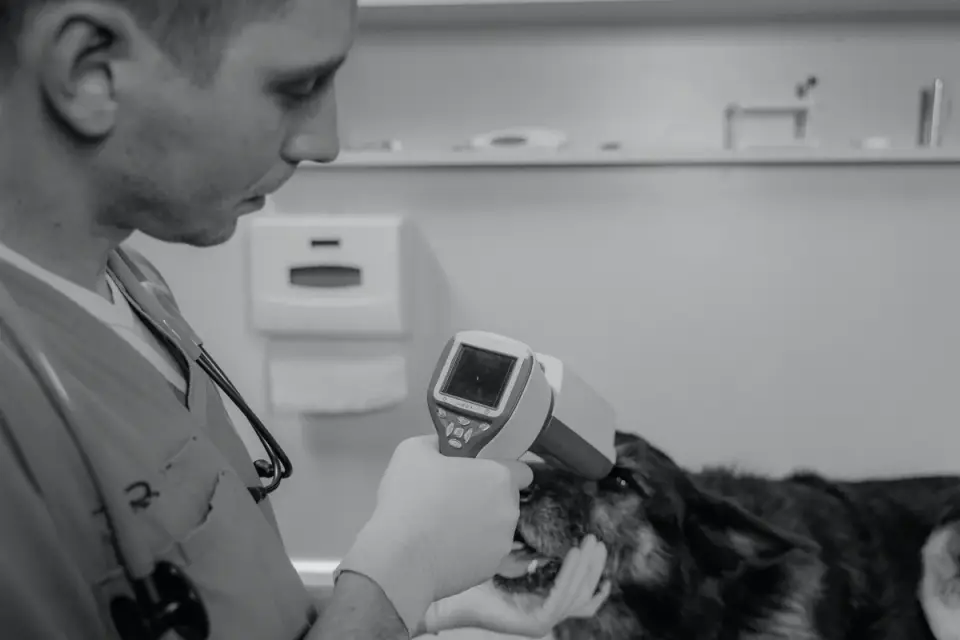
Think of threshold as a cup that fills drop by drop. The car ride, the waiting room, the scale that wobbles, the restraint on a cold table, and the sting of venipuncture each add a little sympathetic arousal, and a dog that copes well with any one alone may overflow when they arrive together without pauses for settling.
Ursa, a 5-year-old spayed female Jack Russell Terrier mix from Greensboro, illustrated this for owner Shelley. Ursa wagged through the parking lot, stiffened at the sliding doors, then panted hard once the tech lifted her, which told us the lift rather than the building was the tipping point we could retrain first with floor-based exams and brief table touches paired with food.
Dogs that only see the clinic for illness learn a second lesson, that visits predict feeling worse, while unfamiliar surroundings still seem hard despite a familiar routine at home. That contrast explains why even confident dogs look different under fluorescent lights.
2. Restraint and pain history teach the body to brace
From a neurology view, the somatosensory system remembers. A single painful ear handling for otitis, nail quicking, or anal gland expression can condition muscle guarding around the head, feet, or hindquarters, and Tui-na theory would describe the same bracing as stagnation after repeated stress, where gentle movement and breath help restore ease without claiming to erase fear itself.
Low-stress handling asks for the opposite of force. Chin rests on a towel, lateral lying offered rather than imposed, treats delivered during otoscope placement, and permission to pause when the dog looks away may help support calmer autonomic balance across repeated visits.
Physiologic work shows how hard that clinic moment is to shift with diet alone. In a controlled feeding study, the Journal of Applied Animal Welfare Science reported that a diet fed daily for 8 weeks changed resting tryptophan ratios and urinary cortisol yet did not change plasma cortisol after a veterinary examination and blood draw, which reminds us that learned context often outweighs a single nutritional input at the moment of stress.
3. Your leash and voice travel down the leash
Dogs read breathing rate, leash tension, and vocal pitch with exquisite speed. When we shorten the leash, hover, and speak in high reassurance, many dogs interpret the urgency as confirmation that worry is warranted, and the heart rate of handler and dog may rise together.
A quieter pattern often steadies both. Breathe low, keep the leash loose in a J, ask for a familiar mat behavior the dog already knows, and reward disengagement from triggers rather than luring the dog closer than curiosity allows. One owner rhythm that helps is a daily rhythm around meals and play with quiet breaks worked around handling practice, so the mat predicts rest in many rooms before it is ever asked to work in the lobby.
If you want background on herbal traditions sometimes discussed for situational unease, our piece on Chamomile Dosage for Dogs: What Our Panel Actually Recommends reviews where evidence is thin, and owners weighing daily options often also ask Questions to Ask Your Vet About SAM-e for Your Dog before combining anything with behavior work.
4. Practice visits rewrite the prediction
The thesis of this guide is simple. Stress that was learned through pairing can be softened through new pairing when the dog remains under threshold, and brief happy visits may help support that relearning without flooding the animal.
Ask the clinic for two-minute lobby visits where nothing medical happens. Weigh in, receive chicken, sniff, leave. At home, rehearse the components in micro-doses across the week: ear lifts, mouth lifts, paw holds, a hand briefly over the shoulders, standing on a bath mat that mimics the scale. Keep sessions under a minute, end while the dog still wants more, and log which step tightened the body so the next session can start one step easier.
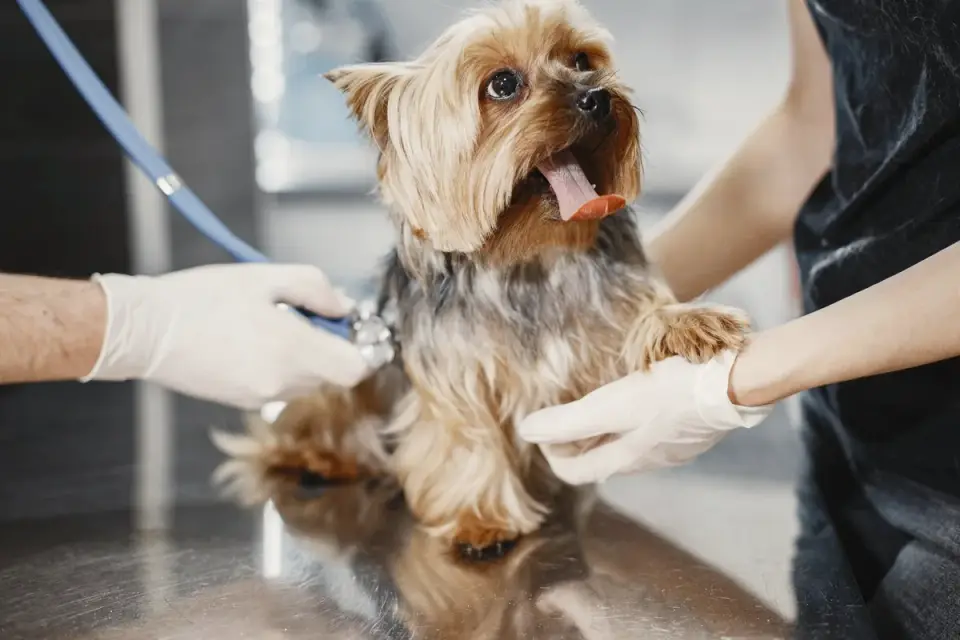
Terra, a 10-year-old intact female Yorkshire Terrier mix from Tempe, showed why pacing matters for seniors. Owner Travis found that one long lobby wait left her trembling for hours, while three separate drive-by treat visits across two weeks left her able to take cheese on the scale, a small shift that made blood pressure assessment far cleaner and illustrated how an older nervous system often needs shorter exposures with longer recovery.
For dogs whose night restlessness spills into next-day reactivity, the pacing discussion in Why Does My Dog Pace Back and Forth at Night? can help separate pain or cognitive change from pure clinic fear.
5. When training alone is not enough, plan support early
Some dogs arrive already over threshold in the parking lot, with dilated pupils, refusal of even high-value food, vomiting, or attempts to bolt. That level of panic is not disobedience and it rarely yields to coaxing in the moment, and pushing through may deepen the memory for next time.
Call a week ahead to design a cooperative plan. Request the first appointment of the morning or a car-to-room escort to shorten lobby time, ask whether the exam can happen on the floor with the owner delivering treats, and discuss whether a pre-visit anxiolytic prescribed for that individual dog is appropriate given age, cardiac status, liver and kidney function, and other drugs. Acupuncture prior to stressful events, gentle Tui-na along the back, and familiar botanical scents may help support general relaxation for some patients as part of a whole plan, without replacing behavior shaping or prescribed care when fear is severe.
Older dogs that suddenly resist handling deserve medical screening first, since new pain changes behavior quickly, a point our emergency guide in Senior Dog Suddenly Can’t Get Up: When It’s an Emergency and When It Isn’t frames for urgent versus routine triage.
Bring notes to the visit. List the exact moment stress begins, what treats still work at each stage, which restraint positions failed before, and what helped last time, so the team can adjust handling rather than rediscovering the pattern under pressure.
Frequently asked questions
Why does my dog shake or pant even before the exam starts?
Anticipatory arousal builds from cues like the parking lot, smells, and sounds that previously predicted handling. Arriving early to a crowded lobby often fills the stress cup before the veterinarian enters, so short happy visits and car-to-room flow can keep early cues neutral.
Should I comfort my fearful dog or will that reward fear?
Calm petting and quiet food delivery do not reinforce emotion the way they reinforce a trained sit. If contact and treats lower muscle tension and the dog can still eat and respond, gentle support paired with distance from triggers usually helps more than scolding or forced cuddling.
Can practice exams at home really change vet behavior?
Yes when kept brief and under threshold. Rehearsing ear, mouth, paw, and scale stands for 30 to 60 seconds with food, ending before stress rises, builds a competing memory that handling predicts treats, which transfers better than one long cramming session the night before.
Sources
- Diet, plasma tryptophan and cortisol response to stress in cats — Journal of Applied Animal Welfare Science