
On this page
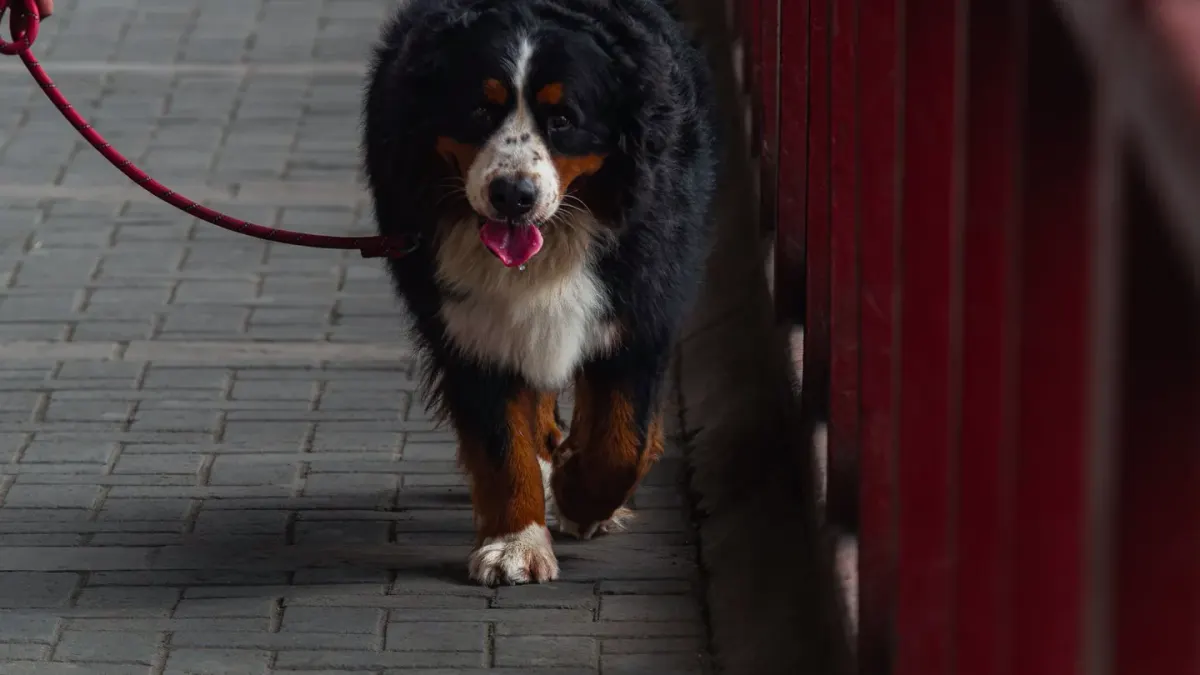
Stop and watch before you coax. A dog that brakes at the door, lags halfway down the block, or sits and will not restart is giving you locomotor information. Note when it started, which leg looks short, whether stairs or cold mornings are worse, and whether appetite and bathroom habits changed. Then call your clinic that day if there is sudden non-weight-bearing lameness, swelling, yelping, collapse, heavy panting, pale gums, or refusal to stand.
Last spring I watched a 12-year-old Labrador, 68 pounds, do exactly what owners describe in messages. She trotted to the mailbox with her person, then planted her front feet at the curb and stared back toward the house. No limp at first glance, tail still wagging, but she shifted weight off her left elbow and needed three coaxes to take ten more steps. By day 4 of that pattern her owner had shortened the loop, and that shorter loop was the useful data. It pointed us toward forelimb stiffness and fatigue rather than stubbornness, and it set the order of the exam: watch her rise, feel elbows and shoulders, then hips and spine.
Rule out the urgent reasons first
Check paws, nails, and pads. Look for a torn nail, interdigital swelling, burr, or hot pavement burn. Feel for heat or a swollen joint. Check gums, breathing rate, and temperature response on a warm day.
Book a same-day exam for sudden inability to rise, dragging knuckles, neck pain with yelping, a swollen hot joint, fever, or any collapse or faint. Senior dogs can also quit walks because of cardiac fatigue, anemia, urinary infection that makes squatting painful, or neurologic weakness — not only joints. I prioritize a hands-on exam and gait check over any supplement, because the plan changes completely if pain localizes to spine versus elbow versus hip.
What a joint-related refusal usually looks like
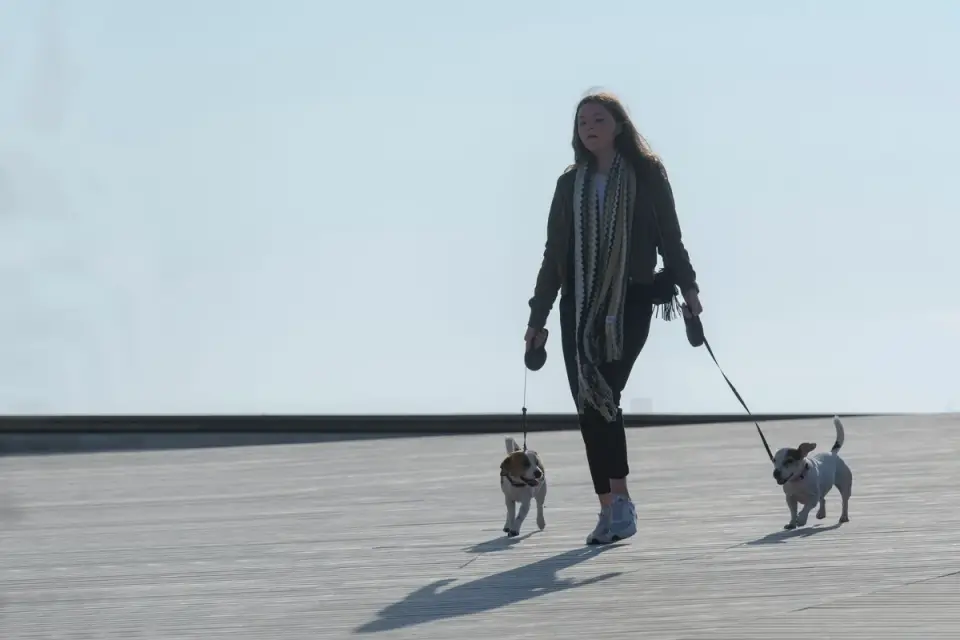
Stiffness shows up as lagging behind, shortened stride, bunny-hopping on hills, difficulty rising after naps, reluctance on stairs or into the car, and lying down mid-walk. Many owners report good days and bad days, worse after rest or cold damp weather, better after five minutes of easy movement.
That pattern fits what we know about support ingredients, and where the evidence is thin. In day-to-day practice I describe glucosamine and chondroitin as long-studied joint-support options, not painkillers. One line I use often is that “Glucosamine and chondroitin are among the most studied joint support ingredients for dogs.” Chondroitin research has been described as work that “supports healthy synovial fluid homeostasis” in work published in Frontiers in Veterinary Science, which matters because comfortable gliding depends on healthy joint fluid balance. Glucosamine HCl work has been summarized as findings that “prevent experimentally induced cartilage degradation in vitro” in work published in the Journal of Veterinary Medical Science, which is laboratory evidence, not proof of pain relief on sidewalks. Green-lipped mussel contains omega-3s and glycosaminoglycans studied for joint support, and one comparative analysis reported that “BMO, GMO, and KO all alleviated paw swelling in rats and reduced serum levels of rheumatoid factor (RF), anti-cyclic citrullinated peptide (anti-CCP) antibody, and pro-inflammatory cytokines such as TNF-α and IL-17” in Nutrients. I am honest where that evidence is thin: rat and in vitro findings may help maintain normal joint structure, but they do not replace a lameness exam.
Work the problem in order at home
Keep this practical. Do the checks in this sequence for three weeks and write it down.
- Shorten, do not force. Cut distance by half. Choose flat, soft footing. Let sniffing set the pace.
- Warm up and cool down. Do a 3-minute indoor potter before leashing, then 2 minutes easy after.
- Add traction and ramps. Rugs on slick floors, a ramp for the car, raised bowls if neck-down stretching looks sore.
- Weigh and score. Weigh monthly, score body condition, and trim extra pounds with your vet. Less load supports mobility.
- Film the gait. Take 30 seconds from side and rear, rising from a bed and turning both directions.
- Review meds and surfaces. Bring a list of NSAIDs, joint chews, fish oil, and floor types to the visit.
A 10-year-old cattle-dog mix, 44 pounds, showed me the tradeoff owners hit three weeks in. Her person had added a long weekend hike to “loosen her up,” plus a new high-dose chew stack from a pet-store shelf. By day 10 she refused the driveway entirely and panted after stairs. We did the opposite: rest from hills for seven days, flat 10-minute walks twice daily, nail trim, rug runners, and one clearly labeled joint product at the label dose until we reviewed bloodwork. Her willingness returned before her stride fully smoothed, which is common. More exercise and more ingredients had masked the signal; less and steadier clarified it.
For label reading, I borrow the same rubric I use for Best Joint Supplement for Dogs: Our Vet Panel’s Scored Verdict and Dog Hip and Joint Supplement: A Vet Panel’s Guide to What Actually Helps: named ingredient and amount per chew, NASC or third-party quality mark, feeding directions by weight, and no disease-cure wording. For background on disease versus support language, owners often benefit from What Degenerative Joint Disease Actually Is in Dogs and, if fish oil is in the mix, Fish Oil Dosage for Dogs by Weight: What the Panel Actually Recommends.
Where I land when owners want a clear plan
My position from practice is simple: stabilize routine and weight first, then add one well-labeled joint-support product to support flexibility and maintain normal cartilage, and judge it over 4 to 6 weeks of consistent use alongside veterinary care. The strongest counterargument is fair — that joint chews have mixed clinical data for pain, and prescription pain control or physical rehabilitation may do more for comfort. I still land here because daily friction, load, and consistency drive senior mobility, and a single traceable product keeps the trial honest.
The edge case that changes the advice is the 14-year-old small mix, 18 pounds, who quit evening walks but still paced at night by week two. Hips palpated fine, but she startled at curbs, stared at corners, and house-soiled twice. That pattern leaned toward cognitive change and vision loss, not only joints. We moved walks to daylight, kept the same 8-minute route, added nightlights and a non-slip bedtime path, and scheduled a cognitive and blood-pressure check. Her morning walks resumed once the world felt predictable again, even though her trot stayed slow.
Call back sooner if refusal spreads to eating, toileting, or rising indoors, or if you see night restlessness, new limping, or medication side effects like vomiting or black stool. Bring your walk log, videos, weight trend, and every label. Prevention here is unglamorous home care: lean weight, short flat walks, traction, Fear Free handling, and supports that may help maintain joint comfort without promising a cure.
Frequently asked questions
Should I drag or carry a senior dog that stops on a walk?
Neither. Stop, offer water and shade, then head home slowly. Forcing distance risks injury, and repeated carrying without an exam can miss pain. Log where the stop happened and call your vet for a gait check.
How long should I try shorter walks before calling the vet?
Call now if lameness is sudden, severe, or paired with swelling, yelping, collapse, breathing trouble, or not eating. For mild stiffness, try 3 to 7 days of half-distance flat walks with traction and rest, then schedule an exam if lagging persists.
Do joint supplements help a dog that refuses walks?
They may help support joint flexibility and maintain normal cartilage as part of a plan with weight control, traction, and veterinary pain assessment. They are not painkillers. Use one clearly labeled product consistently and judge willingness and stride over 4 to 6 weeks with your vet.
Sources
- Synovial fluid homeostasis study — Frontiers in Veterinary Science
- Glucosamine cartilage degradation in vitro study — Journal of Veterinary Medical Science
- Marine oil paw swelling and cytokine study — Nutrients