

On this page
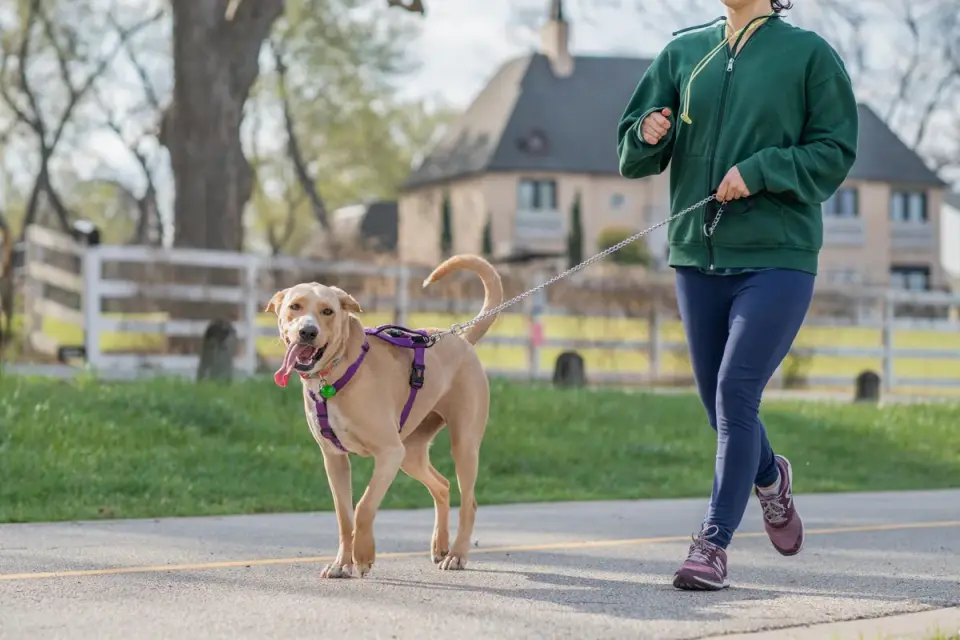
The first case that frames this choice involved a senior boxer mix seen for slowing on stairs and a stiff rise from the kitchen tile. The owner, a runner, wanted to keep their half-mile evening loop and asked whether a trimethylglycine powder advertised for methylation and vitality could restore it. On good days the pair still covered a full block, on stiff days barely two houses before the dog sat and panted. Gait was short in the rear, recovery took minutes, and the owner weighed adding betaine against staying with weight control, joint rehab and diet first.
Trimethylglycine is betaine, a small choline-derived compound found in beets, spinach, quinoa and animal tissues. In supplement labels the two names are interchangeable. My bias as a mobility clinician is to layer the proven supports first, then judge add-ons by tolerance and function over weeks, not promises on a jar.
What is trimethylglycine doing in an old dog’s body?
Think of betaine as a helper for two housekeeping jobs that get harder with age, methyl transfer and water balance inside cells. Neither job reverses aging, but both support normal cell function when diet, movement and body condition are already sound.
Methyl donation and homocysteine recycling
Methyl groups are chemical tags used to recycle homocysteine to methionine, build creatine and phosphatidylcholine, and keep one-carbon metabolism turning. The NIH Office of Dietary Supplements describes how choline is oxidized to betaine to feed that normal pathway, which is why betaine is often grouped with choline, folate and B12 in longevity formulas.
For senior dogs the practical read is narrow. Adequate complete diet usually supplies choline and methionine, so extra betaine may help support normal homocysteine metabolism and liver fat handling, but it does not replace protein quality, B-vitamin status or weight control.
Osmolyte support for cells under stress
The second role is less discussed with owners. Betaine acts as an osmolyte that helps cells hold normal hydration under stress, a function summarized in the National Library of Medicine record for the review Betaine in human nutrition. In gut and kidney physiology that water balance role supports normal cell volume and enzyme activity.
That gap matters more than any label claim.
Where does the aging-dog evidence actually stand?
Here the panel verdict splits cleanly into strong, thin and borrowed. Strong for basic biochemistry across mammals. Thin to absent for longer life, better mobility or sharper cognition in aging dogs specifically. Borrowed for almost everything marketers imply about vitality.
What we have in dogs today
I find no published randomized trial testing trimethylglycine alone for lifespan, frailty, arthritis scores or cognitive scores in senior dogs. Dog studies focus on complete diets with added betaine for body composition or liver markers, not betaine as a standalone longevity lever. That absence does not prove lack of effect. It means owners are buying on mechanism and cross-species data, not dog outcomes.
This pattern repeats with other cell-health ingredients. Our reviews of quercetin evidence and medicinal mushrooms for immune support reach the same caution about borrowing worm, fly or human data for senior dogs.
What we are borrowing from other species
Poultry, pig, rodent and human exercise studies suggest betaine may help support normal body composition, hydration status and homocysteine recycling under controlled feeding. Those models are useful for hypothesis building because methylation pathways are conserved, yet they differ in dose form, gut handling, lifespan and background diet. A broiler or marathoner result cannot set a beagle dose.
Should an aging dog get extra betaine?
My evidence-bounded position is food first, rehab always, betaine only as a defined trial when the base plan is solid. I defend that order because movement medicine earns its gains through load management, acupuncture, chiropractic adjustment and progressive physical rehab layered over eight to twelve weeks, with diet tuned for lean mass.
Another senior dog complicates the shortcut. A small wiry terrier type with early kidney values and a sensitive stomach had started a human betaine powder scooped from a sports container. Within days the owner reported loose stool, lip licking at the bowl and three skipped breakfasts in one week, followed by restless nights and less interest in short play sessions. The powder was stopped, bland meals and fluids steadied the gut, and the owner learned the tradeoff the hard way. Concentrated human powders solve no aging problem when the delivery, dose clarity and tolerance testing are missing.
The best counterargument deserves airtime. If an older dog eats a marginal diet, has low choline intake, or shows stubbornly high triglycerides or liver values, a clinician might reason that a methyl donor could support normal liver metabolism alongside diet correction. I respect that logic in selected cases. I still land on diet correction plus recheck first because adding betaine over a poor base hides the signal owners need to see.
When food already covers the base
Most complete senior diets formulated to AAFCO profiles already supply choline and methionine. In that setting I prioritize lean weight, daily walks scaled to recovery, strength work like sit-to-stand sets and cavaletti poles, plus joint supports with clearer dog data. Our CoQ10 review for senior dogs and antioxidant review of astaxanthin show how to weigh those choices without stacking five new powders at once.
When I would still consider a trial
I consider a betaine-containing formula when an otherwise well-managed senior dog has stable labs, normal hydration, no history of trimethylamine odor or GI intolerance, and an owner who can log function. The goal is framed in structure and function terms only, to help support normal cellular metabolism and activity with age, not to treat disease or extend life.
How would a careful trial look over 8 to 12 weeks?
A third pattern bends the usual food first rule. A large senior retriever type with a dull coat, added belly weight and mildly increased liver values on routine labs was already eating a complete balanced diet and doing twice weekly hydrotherapy plus gentle hill work. The veterinarian did not swap the plan for a methyl donor. Instead the owner kept rehab, tightened treats and scheduled a six-week recheck with fasting labs and a simple mobility log of rise time, stair effort and walk distance before any supplement trial. That order matters because liver and mobility signals need a clean baseline before judging tolerance.
If movement support is the goal, plan on eight to twelve weeks of steady layering before judging. Acupuncture every one to two weeks, joint mobilization as indicated, then progressive rehab with rest days often shows clearer rise and stair effort by week six, with stamina gains trailing to week ten.
Keep the trial clean. Use one new product at a time, choose a pet-formulated dose with lot testing, feed with meals, track stool, appetite, thirst, odor, itch and weekly walk tolerance, and stop for persistent GI upset or behavior change. Dogs with kidney disease, uncontrolled liver disease, seizure history or trimethylaminuria concerns need direct veterinary input first, since methyl handling and odor pathways vary.
Where our panel lands on TMG for senior dogs
Evidence is strong for the biochemistry, thin for aging-dog outcomes, and mixed when borrowed from other species. For most seniors I would invest in weight, diet quality, pain assessment and layered rehab before paying for standalone trimethylglycine. For a stable, well-fed senior with veterinary oversight and a clear log, a short pet-formulated trial is reasonable, judged on tolerance and function rather than longevity language.
Bring the log to the recheck. If rise time, stair confidence and recovery after normal walks do not improve over two to three months, retire the ingredient and keep the modalities that did move the needle.
Frequently asked questions
Is trimethylglycine the same as betaine on a dog supplement label?
Yes. Trimethylglycine and betaine refer to the same choline-derived compound, often sourced from beets. Check whether the label lists betaine anhydrous or a betaine-containing blend and whether dosing is per chew or per day.
Can trimethylglycine extend a senior dog's lifespan?
No published dog trial shows lifespan extension from trimethylglycine alone. Any longevity framing is borrowed from basic biochemistry or other species, so judge trials on tolerance, appetite, stool quality and measured mobility over 8 to 12 weeks.
What safety issues should owners watch?
The most common issues are GI upset, reduced appetite and fishy body odor at higher intakes. Stop the trial and call your veterinarian for persistent vomiting, diarrhea, appetite loss or behavior change, especially in dogs with kidney or liver disease.
Sources
- Betaine in human nutrition — National Library of Medicine
- Choline - Health Professional Fact Sheet — NIH Office of Dietary Supplements