
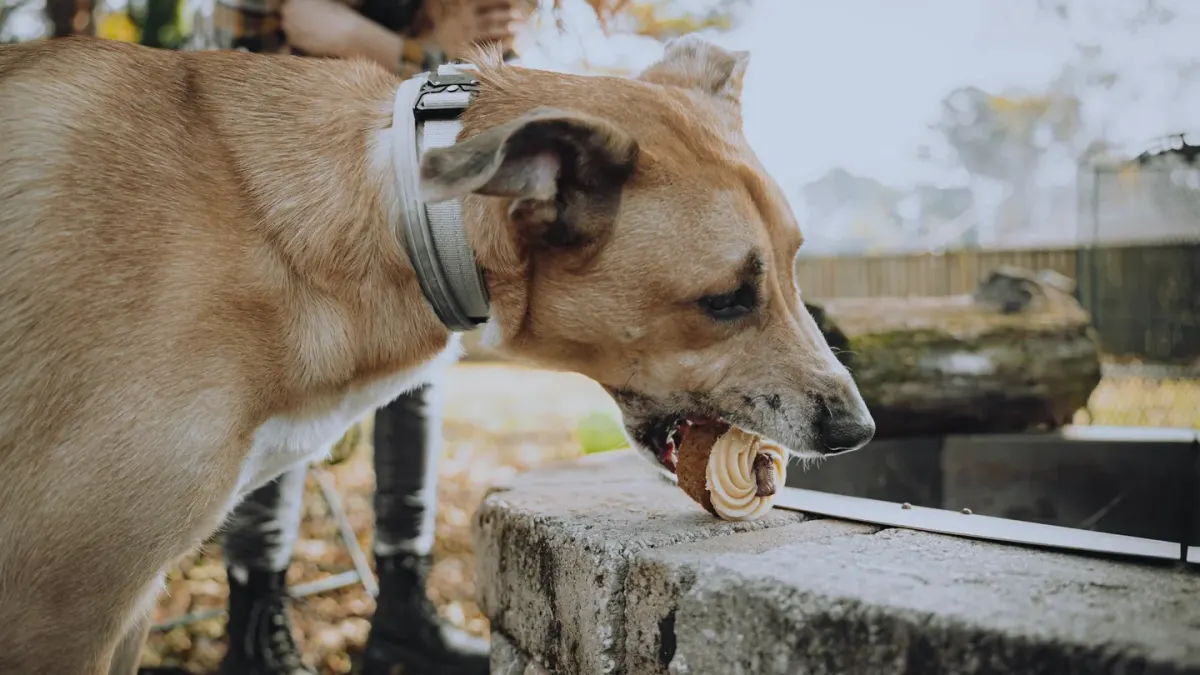
Bobby found adult fleas on Brutus, his 7-year-old neutered male Cockapoo in Olathe, and wanted them gone that night. That urge makes sense — biting fleas feed within minutes — yet the rest of the population is already off the dog as eggs, larvae, and pupae in bedding and carpet.
Use this checklist before you reach for anything labeled fast-acting:
- Kill what is biting now with a veterinarian-approved adulticide, not dish soap or DIY dips
- Treat every dog and cat in the home on the same schedule
- Wash bedding hot, vacuum rugs and upholstery, empty the canister outside
- Keep prevention going 8–12 weeks to outlast pupae already laid
- Call your veterinarian for heavy infestations, flea allergy signs, or pale gums
Fast products work by poisoning the nervous system of adult fleas after contact or ingestion, which explains the mechanism plainly and sets the limit. Oral isoxazolines, topical adulticides, and clinic-dispensed sprays can drop adult counts within hours, and that may help support mobility and comfort by reducing scratching and restlessness.
It cannot do what owners wish it did.
Why instant claims miss the real population
Only about 5% of a flea problem lives on the dog as adults. The Centers for Disease Control and Prevention explains that eggs, larvae, and pupae develop in the environment, and pupae can stay protected in cocoons for weeks to months.
That is why a bath looks successful and then fails. Warm water and thorough lathering drown or rinse some adults, while acupuncture, Tui-na, and food-first care cannot change that math.
Vets often see the same pattern in itchy dogs: fewer fleas on day one, fresh bites by day ten, because new adults emerged from the carpet, not because the first product never worked.

What fast options do and where they stop
Compare the choices by function, not by marketing speed.
Contact adulticides on the dog reduce the biting adults present that day. Systemic preventives circulate or distribute in skin oils and kill new arrivals over the following days and weeks. Environmental steps — laundering, vacuuming, treating other pets — remove the next generation.
No shampoo, spray, or chew removes pupae from the home or prevents reinfestation from the yard alone.
For households weighing natural helpers for skin resilience, background reading like Bee Pollen and Propolis for Dogs: Benefits and Safety, Weighed Honestly and Canned Pumpkin vs. Pumpkin Powder for Dog Digestion: The Vet Verdict shows where nutrition supports the body and where it stops against parasites. Food-first feeding may help support mobility and comfort during recovery, while medical manipulation and Tui-na address stiffness and soreness, not fleas.
Our read: treat the dog, clear the house
The Companion Animal Parasite Council recommends year-round flea control for dogs and cats and integrated environmental control, because adults keep emerging after the first treatment.
That matches function-based expectations. Expect less scratching within a day when the adulticide fits the dog’s age, weight, and health. Expect continued vacuuming and repeat doses for at least two to three months.
Judy in Eugene learned this with Judah, her 3-year-old neutered male Papillon mix, when weekly washing alone left a count of 12 live fleas after 14 days. Once every pet was on the same veterinarian-directed schedule and bedding was washed hot twice, the daily itch score finally fell.
Keep steady prevention through the gap. For context on layering supplements alongside parasite prevention, see Can You Combine a Senior Longevity Chew With a Joint Supplement? and Chamomile Dosage for Dogs: What Our Panel Actually Recommends.
Your next step is practical: ask your veterinarian which adulticide fits your dog today, then put vacuuming and laundry on the calendar for the next 8 weeks.
Frequently asked questions
Does bathing a dog kill fleas instantly?
A thorough bath with dog-safe shampoo can drown or rinse off some adult fleas, but it does not kill eggs, larvae, or pupae in the home and does not prevent new fleas from jumping on.
How long until fleas are gone after starting treatment?
Adult numbers often fall within hours to a day, but complete control usually takes 8–12 weeks of consistent treatment for all pets plus vacuuming and laundering to outlast the environmental stages.
Should I treat the house and other pets too?
Yes. Most of the population lives off the dog, so wash bedding, vacuum carpets and upholstery, and treat every dog and cat on the schedule your veterinarian recommends.
Sources
- About Fleas — Centers for Disease Control and Prevention
- Fleas: General Guidelines — Companion Animal Parasite Council