
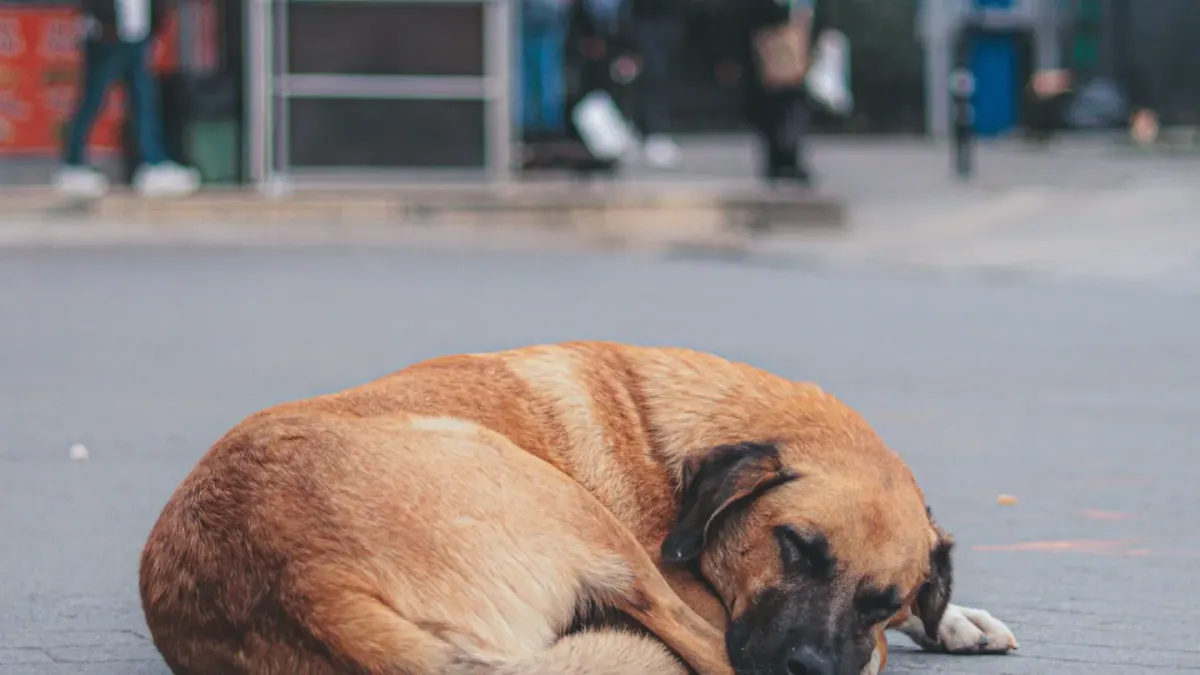
Bernard almost shared his dinner with Ivan, his 6-year-old neutered male Puggle mix in Columbus, Georgia, until he remembered the seasoning had garlic and onion powder and put the plate up after about 10 minutes of begging stares. You’ve probably had that same pause in the kitchen — if it’s natural, if it’s an herb, surely a little taste can’t hurt?
Natural does not mean safe for dogs. Several common kitchen and garden herbs can irritate the gut, strain the liver, or damage red blood cells, and the risk depends on which plant, which part, and how much was eaten. When you want calm plus comfortable movement, you have to braid that musculoskeletal picture with whole-patient balance, and that starts by screening out what may harm before you reach for what may help support relaxation.
Why “just an herb” worries vets more than you’d think
Dogs metabolize some plant compounds very differently than we do. Concentrated oils, dried powders, and essential oils are stronger than a fresh leaf, and small bodies feel that difference fast.
The ASPCA keeps one of the most-used public plant lists for checking a Latin name before you plant, cook, or share, and it’s worth a bookmark on your phone. Vets often see trouble not from a whole garden bed, but from counter surfing, dropped seasoning packets, or a “calming” tea offered with love.

The short list to keep out of the bowl
You don’t need to memorize hundreds of plants. Learn this handful cold.
Garlic, onion, chives, and leeks all belong to the Allium family. Fresh, cooked, powdered, or as a broth, they can damage canine red blood cells and lead to weakness, pale gums, and lethargy a day or more later. The Merck Veterinary Manual describes onion and garlic toxicosis as a dose-dependent oxidative injury, which is why powders and supplements worry vets most.
Pennyroyal is next. It’s sometimes sold in flea or “natural calm” blends, but its oil contains pulegone and can injure the liver and nervous system. Pet Poison Helpline lists pennyroyal oil as a poisoning risk, especially in concentrated essential-oil form.
Keep nutmeg, wormwood, rue, and large amounts of oregano oil off the menu too. Nutmeg can bring agitation, rapid heart rate, and disorientation. Wormwood contains thujone. Rue and strong oregano oil irritate mouth and gut.
What if your dog already licked the sauce? Don’t wait for perfect symptoms.
What to do instead for calm and comfort
Rinse the mouth if there’s oil or powder residue, save the package or plant name, note weight and amount, and call your vet or poison control right away.
Then reset. For nerves, start with distance from triggers, a predictable bedtime spot, white noise, and a short sniff walk rather than another sprinkle from the rack.
I know the skeptical question — “But my last dog ate garlic bread for years?” Some dogs seem fine after a small exposure, and that luck makes the risk easy to dismiss. The structure-and-function answer is plainer: comfort and mobility depend on steady oxygen delivery, gut ease, and liver clearance, and Alliums and pennyroyal work against all three.
If you like the idea of botanicals, stick with forms made for dogs and dosed for dogs. Chamomile Dosage for Dogs: What Our Panel Actually Recommends walks through why dose and form matter, and Why Does My Dog Pace Back and Forth at Night? helps sort pain, need-to-pee, and anxiety before you pick anything. Chiropractic alignment and gentle acupuncture-based care may help support ease of movement alongside those routines, never as cures on their own.
Keep the garden kind, too. Fence pennyroyal, rue, and ornamental bulbs, and label leftovers.
Frequently asked questions
What herbs are not safe for dogs?
Garlic, onion, chives, leeks, pennyroyal, nutmeg in spice amounts, wormwood, and rue top the avoid list. Risk rises with powders and essential oils.
What should I do if my dog ate garlic or onion?
Note how much and when, save the label, and call your vet or poison control promptly. Watch for vomiting, weakness, pale gums, or dark urine over the next 1 to 5 days.
Are essential oil herbs safe to diffuse around dogs?
Strong oils like pennyroyal and oregano can irritate airways and harm if licked from fur. Use pet-safe ventilation, never apply oils directly, and store bottles closed.
Sources
- Toxic and Non-Toxic Plants — ASPCA
- Pennyroyal Oil Poisoning in Dogs and Cats — Pet Poison Helpline