
On this page
Owners reach for pumpkin first. That’s not wrong, exactly — it’s just usually not where the story starts. Fiber addresses one mechanism among several, and in a senior dog the more common drivers are dehydration, joint pain, hormonal shifts, and a handful of neurologic and structural problems that fiber alone does nothing for. Sorting out which mechanism is actually in play is the clinical task, and it’s worth doing before a supplement or a can of pumpkin becomes the whole plan.
An 11-year-old, 62-pound Labrador mix came in for a recheck last winter, three days past her last bowel movement. Her owner had already added a fiber supplement on a friend’s recommendation and was weighing whether to try an at-home enema or wait another day. The dog’s abdomen was tender, her appetite was down, and she was reluctant to jump into the car — a detail that mattered more than the stool history did. Hip pain, not diet, turned out to be the reason she’d stopped squatting normally, and that changed the plan from more fiber to pain management first.
What Slows a Senior Dog’s Colon
Normal defecation depends on coordinated muscle contractions moving stool through the colon while the gut reabsorbs water along the way. When that transit slows, for any reason, the colon keeps pulling water out of the stool longer than it should, and the result is harder, drier feces that are painful to pass. That’s the shared endpoint of nearly every cause on this list, which is why “the colon is slow” is a description, not a diagnosis.
Per the Merck Veterinary Manual, constipation that resists treatment is termed obstipation, and when the colon becomes chronically dilated and hypomotile, the condition is called megacolon — a state that, in dogs, is rare but far more likely to need surgery than diet.
The Usual Suspects: Dehydration, Diet, and Days Without a Walk
Water intake matters more than most owners expect. A dog eating mostly dry kibble and drinking less as it ages is quietly setting up the same mechanism described above: slower transit, more water reabsorbed, harder stool. VCA Animal Hospitals lists dehydration, dietary change, and inadequate physical activity among the common triggers, alongside painful conditions like osteoarthritis that make a dog reluctant to posture normally to defecate.
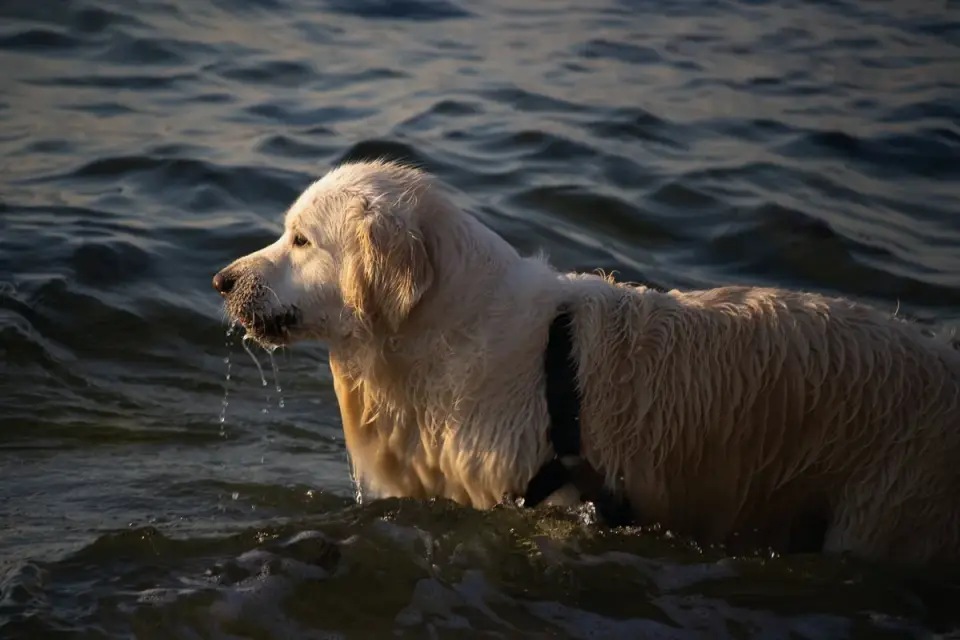
Mobility loss deserves more credit than it usually gets. A dog with hip or spinal arthritis may hold stool longer simply because squatting hurts, and shorter, less frequent walks mean less of the mechanical stimulation that normally helps move a bowel movement along. None of that shows up on a fiber label. When dehydration looks like the primary driver, a rehydration strategy earns more attention than a stool softener does; we compare the options in Pedialyte vs a Dog Rehydration Supplement for Diarrhea, which covers the same water-and-electrolyte mechanics from the diarrhea side.
A gentle fiber source like pumpkin has a real, if modest, role here. It supplies both soluble and insoluble fiber, which can add bulk and help draw water into stool rather than out of it — useful once dehydration and pain are addressed, less useful as a stand-alone fix. Owners sometimes ask whether a digestive enzyme or a fiber blend is the better starting point for a sluggish senior gut; our side-by-side on Papaya vs Digestive Enzyme Supplements for Dog Digestion lays out where each one actually fits.
We tried exactly that combination — more water, a fiber top-dressing, shorter but more frequent walks — on a 9-year-old dachshund with a three-week history of straining. It helped for about ten days. Then the straining came back, and a rectal exam turned up an enlarged prostate narrowing the pelvic canal. The fiber hadn’t failed; it had just been treating a symptom while the actual obstruction sat untouched. That’s the tradeoff worth naming out loud: a partial response to dietary fixes can buy a few good weeks while a mechanical problem keeps progressing underneath.
When It Isn’t “Just Old Age”: Hormonal, Neurologic, and Obstructive Causes
A slow colon in a senior dog can also be a symptom of something well outside the gut. The Merck Veterinary Manual’s constipation entry names hypothyroidism, spinal cord lesions, and electrolyte abnormalities such as low potassium or high calcium as causes of neuromuscular dysfunction that blunts colonic contraction. Structurally, a narrowed pelvic canal — from a poorly healed pelvic fracture, enlarged lymph nodes, or an enlarged prostate — can physically block stool from passing no matter how well-hydrated or fiber-rich the diet is. Certain medications commonly prescribed to older dogs, including opioids and some anticholinergic drugs, slow gut motility as a side effect, which is why a constipation workup should always start with a current medication list.
The EPI Connection: When the Pancreas Is Part of the Workup
Exocrine pancreatic insufficiency isn’t a classic cause of constipation, but it’s a useful example of how digestive management gets layered once a real diagnosis is on the table. Per a review published in the Journal of the American Veterinary Medical Association (JAVMA), EPI is treated with pancreatic enzyme replacement therapy, nutritional management using low-residue diets with moderate fat content, and cobalamin supplementation. The same review notes that future studies are still needed to understand why persistent dysbiosis in animals with EPI can linger even after enzyme therapy starts — a reminder that gut microbiome recovery doesn’t always track neatly with symptom improvement.
That dysbiosis question connects to a separate finding worth flagging: a 2025 randomized controlled trial in Frontiers in Veterinary Science reported that diversity metrics did not distinguish probiotic responders from non-responders in dogs. In plain terms, a stool sample showing a “diverse” microbiome doesn’t reliably predict which dogs will actually respond to a probiotic. If a senior dog’s digestive issues turn out to involve enzyme or microbiome support rather than simple constipation, our comparison of Coconut Oil vs Digestive Enzyme Supplements for Dog Gut Health walks through what the evidence actually supports for each. For dogs where a probiotic is genuinely the right tool, we score the category head-to-head in The Best Probiotic for Dogs.
A 7-year-old, 18-pound terrier mix illustrates the edge case worth remembering. Her stools looked normal, her appetite was fine, and by every home-observable sign she wasn’t constipated at all. What brought her in was a single episode of straining that her owner almost dismissed. On exam, that straining turned out to be from a small rectal mass, not stool — a case where “wait and see because everything else looks normal” was the wrong call for a small dog whose owner nearly talked herself out of the visit. Read the data closely before crowning anything a simple constipation case; a single symptom in isolation, even a mild one, can be the only visible clue to something that needs imaging, not fiber.
The Panel’s Take
Fiber and hydration genuinely help the largest share of senior-dog constipation cases, and they’re the right first move when a workup hasn’t turned up anything more specific — dehydration and reduced mobility are common enough that starting there is defensible, not lazy. The counterargument is real, though: a partial response to dietary changes can mask a prostatic, neurologic, or obstructive cause that keeps progressing while an owner feels reassured. The evidence on probiotics adds a second layer of caution, since diversity on a stool test doesn’t predict who actually benefits. Our bottom line: treat mild, infrequent constipation with hydration and a gentle fiber source, but any senior dog going more than 48 hours without a bowel movement, straining without producing stool, or showing repeat episodes needs a rectal and orthopedic exam before another supplement gets added to the routine.
FAQ
Q: How long can a senior dog go without a bowel movement before it’s an emergency? A: Most veterinarians consider 48 to 72 hours without stool, especially with straining or reduced appetite, a reason for a same-day exam rather than more home remedies.
Q: Is pumpkin actually useful for a constipated senior dog? A: It can help as a mild fiber source once dehydration, pain, and obstruction have been ruled out, but it isn’t a substitute for diagnosing why the colon slowed down in the first place.
Key Takeaways
- Most senior-dog constipation traces back to dehydration, reduced mobility from joint pain, or dietary change — not a single dramatic cause.
- Hormonal, neurologic, and structural problems, including an enlarged prostate or spinal lesions, can cause the same symptom and need a hands-on exam to catch.
- A partial response to fiber or hydration can mask a progressing obstruction, so improvement alone isn’t proof the underlying cause has been found.
- Diversity on a gut microbiome test doesn’t reliably predict which dogs will respond to a probiotic, per a 2025 randomized controlled trial.
- Any senior dog past 48–72 hours without a bowel movement, or straining repeatedly, needs a veterinary exam before another supplement gets tried.
Sources
- Constipation, Obstipation, and Megacolon in Small Animals — Merck Veterinary Manual
- Constipation in Dogs — VCA Animal Hospitals
- Exocrine Pancreatic Insufficiency Review — Journal of the American Veterinary Medical Association (JAVMA)
- Probiotic Response and Microbiome Diversity RCT — Frontiers in Veterinary Science