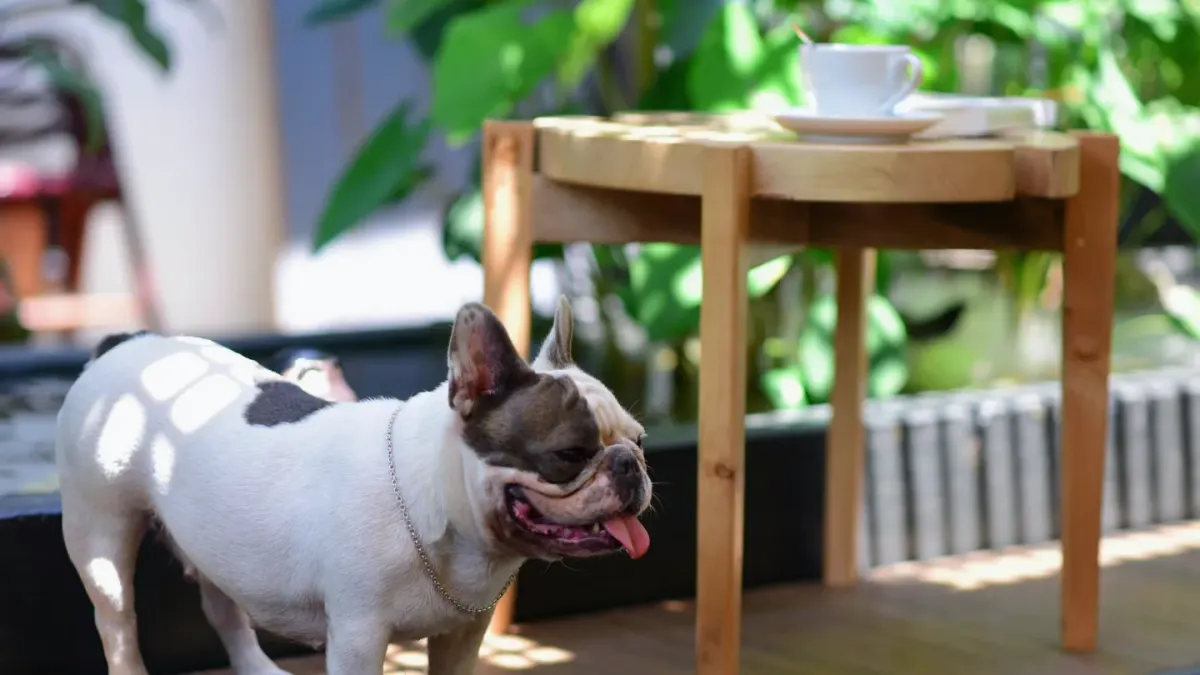
A 6-year-old 48-pound mixed-breed dog is dropped at boarding on a Friday with a half-empty bag of home kibble and instructions to switch to the kennel’s house diet if he runs out. By day 3 the staff notes soft stool, skipped breakfast, and louder gut sounds, and the owner wonders whether stress, infection, or the new food is to blame. That uncertainty is the whole case in miniature, because a boarding kennel diet change rarely acts alone. New protein and fiber levels, altered feeding times, less water intake, disrupted sleep, excitement barking, and exposure to other dogs all converge on the same gut.
The differential matters more than any single supplement here. Diet-responsive looseness from an abrupt change sits alongside stress-related hypermotility, mild dietary indiscretion from treats or floor scraps, infectious differentials including intestinal parasites and viral causes, and — less commonly — endocrinopathy, immune-mediated enteropathy, or exocrine pancreatic insufficiency unmasked by change. Supplements described as supporting normal function rather than treating disease make sense only after that sorting, not instead of it.
The kennel bowl changes more than flavor
Most kennel switches alter fermentable fiber, fat percentage, and protein source at once. The resident microbiome, adapted to the home diet, faces a different substrate overnight, with transit time shortening and water handling shifting. That is why stool softens by 24 to 72 hours even in healthy dogs, then often firms as intake stabilizes.
Evidence reminds us how uneven that adaptation can be. In a canine probiotic trial, “Diversity metrics did not distinguish non-responders from responders,” reported in Frontiers in Veterinary Science. Some dogs hold form, others do not, on the same intervention.
A 3-year-old 22-pound terrier mix illustrates the tradeoff owners miss. Her family started a multi-strain probiotic two days before a seven-day boarding stay but also agreed to the kennel house diet cold-turkey to save packing food. By day 4 she was eating eagerly yet passing mucus-streaked soft stool twice overnight, and the owner assumed the probiotic had failed. The failed approach was not the strain choice, it was stacking two variables — new microbes in, entirely new food in — with no transition window. The gut needed continuity somewhere, either familiar food or a slower crossover, and got neither.
What supports normal function through that window is unglamorous. Keep the home diet for the stay whenever the kennel allows, pre-portioned by meal. If the kennel must feed its diet, ask for a 3- to 5-day blend schedule and send enough home food to cover it. Maintain feeding times, measure water intake, and keep treats narrow and familiar. “Pumpkin fiber is a gentle, natural source of both soluble and insoluble fiber.” Fiber continuity supports normal stool form, but it does not correct a 100% abrupt switch by itself.
What I prioritize, and what I set aside
My internal-medicine-minded order is hydration first, differentials second, microbial support third. Dogs that keep drinking, keep energy, and pass formed-to-soft stool without blood, vomiting, or lethargy often need observation and diet steadiness rather than polypharmacy. “A balanced gut microbiome supports overall immune function.”
I am skeptical of kennel packs that combine five new powders on departure day. Probiotics, prebiotics, and postbiotic fractions each have a rationale for supporting normal digestive function, yet layering them during travel obscures which input helped and risks further diet change. One consistent, previously tolerated option started 5 to 7 days before boarding tells you more than three novelties started at drop-off.
Enzymes deserve a narrower lane. “EPI is treated by pancreatic enzyme replacement therapy, nutritional management (low-residue diets with moderate fat content), and supplementation of cobalamin,” as summarized by the American Veterinary Medical Association. That is a disease-specific protocol, not a routine kennel-travel fix. The same review cautions that “Future studies are needed to further understand the causes of persistent dysbiosis in animals with EPI following initiation of pancreatic enzyme replacement therapy and assess the efficacy of treatments to ameliorate these abnormalities.” Loose stool after boarding does not equal enzyme deficiency.
Continuity beats potency.
For context on related choices, our panel has weighed The Best Probiotic for Dogs: Our Vet Panel’s 2026 Verdict and when medication is not the answer in Can I Give My Dog Imodium for Diarrhea? Our Panel’s Verdict, plus hydration tradeoffs in Pedialyte vs a Dog Rehydration Supplement for Diarrhea: The Vet Verdict.
The edge case that changes my threshold
A 9-year-old 11-pound senior dog returns from a ten-day boarding stay still on the kennel diet, drinking but eating half-rations by day 10 at home with intermittent soft stool and a dull coat. Small, older, and now two weeks into a new diet, she sits outside the watch-and-wait group. Persistent dysbiosis, dental pain limiting chew intake, early renal disease altering thirst, or a concurrent intestinal parasite burden can all hide behind post-kennel looseness. That timeline — not better by day 10 — triggers fecal testing, body-weight check, hydration assessment, and a return to a known, complete home diet rather than another supplement rotation.
My verdict lands here: prevent the abrupt change first, support normal microbial and stool function second, and investigate when age, size, or duration breaks the pattern.
Owners heading out again should bank what worked — which food, which fiber level, which schedule — before the next reservation.
Frequently asked questions
Should I send my dog's home food to boarding?
Yes, when the kennel allows it. Familiar food with measured portions and stable meal times supports normal stool form better than an abrupt house-diet switch.
When should I call the veterinarian after boarding?
Call promptly for bloody stool, repeated vomiting, lethargy, refusal to drink, abdominal pain, or soft stool persisting beyond a few days at home — sooner for puppies, seniors, and small breeds.
Sources
- Exocrine pancreatic insufficiency review — American Veterinary Medical Association
- Canine microbiome response trial — Frontiers in Veterinary Science