

An owner sat on the clinic floor with a 14-year-old shepherd mix leaning hard into her knees, both of them tired from a month of short, careful evenings. The dog still wanted the sidewalk loop, but at week three the loop had shortened from six houses to three, and rising from the bed took two tries instead of one. Bloodwork was stable, joints were stiff but manageable, and the question on the table was familiar: should we add turkey tail to support healthy aging while we still have good days to protect.
That is the right way to frame it. Turkey tail, or Trametes versicolor, is not a mobility supplement and it will not rebuild muscle or cartilage. It is a functional mushroom studied mainly for immune support, built around beta-glucans and polysaccharopeptide compounds such as PSP and PSK that interact with innate immune pathways. For a senior dog, the practical question is narrower: is immune support the missing piece, or are movement, comfort, and daily routine the work that matters more.
What the dog evidence actually contains
Borrowed enthusiasm runs ahead of the data here. Most turkey tail longevity talk comes from laboratory or human-adjacent research, which does not translate neatly to a gray-muzzled retriever sleeping by the door.
The dog-specific signal is small and specific. A University of Pennsylvania pilot in dogs with naturally occurring hemangiosarcoma found that daily polysaccharopeptide delayed metastasis and supported longer survival times in that oncology context, as summarized on PubMed. That matters for owners navigating that diagnosis with an oncologist. It does not prove general life extension, joint comfort, or cognitive protection in otherwise healthy seniors.
Outside oncology, the human and laboratory summary remains cautious. The National Center for Complementary and Integrative Health describes turkey tail as studied for immune effects, with safety and efficacy still under investigation and product quality varying widely. For our panel, that places turkey tail in the thin-to-mixed column for general senior longevity, and stronger only when immune support is the stated goal under veterinary care.
Movement still decides most days.
When immune support earns its place, and when it does not
A 9-year-old beagle came back for a mobility recheck after eight weeks on a new routine of joint support, weight control, and twice-daily five-minute leash walks. The owner had also added a mushroom blend from a pet-store shelf because a friend promised more energy. The log told a flatter story: 14 nights of restless panting, no change in stair hesitation, and two bouts of soft stool in the first ten days that settled only after the blend was stopped. The foundation work had been doing the quiet lifting, while the extra jar added cost and gut noise without changing how the dog rose, turned, or settled.
This is the tradeoff I see often. Owners reach for turkey tail hoping for pep, while the dog needs traction rugs, a ramp, consistent pain assessment, lean body condition, and sleep that is not broken by discomfort. Meet older dogs and their people where they are: if appetite is fragile, digestion is sensitive, or the medication list is already long, another powder is rarely kindness.
Compare that to the narrower case where I do consider it. Immune-challenged seniors, dogs in oncology co-care, and dogs with recurrent minor infections that keep interrupting rehab may be reasonable candidates for a short, monitored trial, provided the primary plan for pain, strength, and routine is already solid.
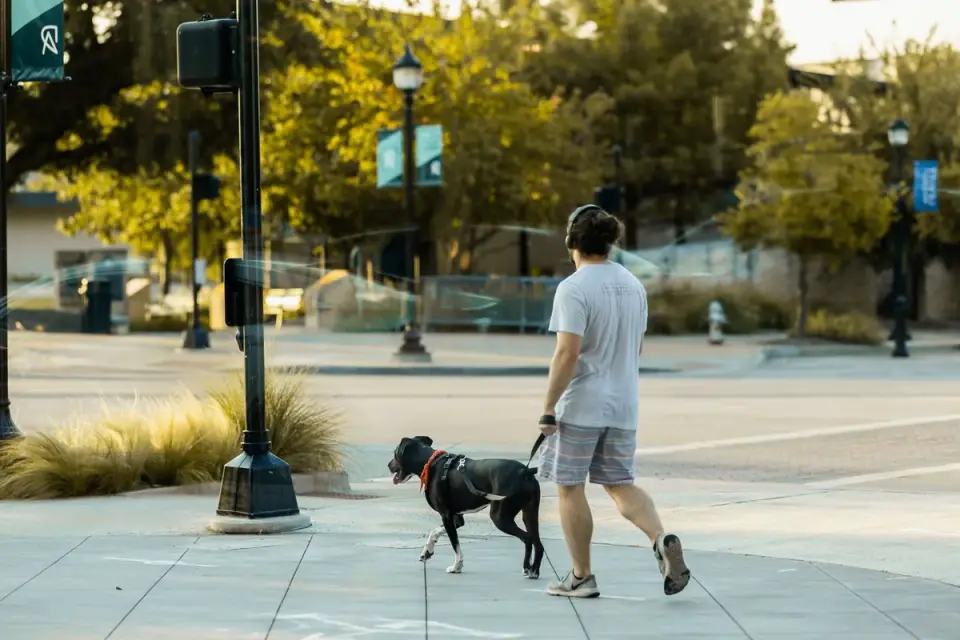
How a careful trial looks in an old dog
Quality comes first because mushroom products vary. Look for fruiting-body turkey tail with a declared beta-glucan content, third-party testing for heavy metals and microbes, a lot number on the label, and no proprietary-blend hiding. Capsule or plain powder without xylitol, chocolate, or heavy flavoring systems is easier to dose and easier to stop.
Introduce it the way you would any change in a senior: one change at a time, with food, and a simple log. Appetite, stool, itch, energy for the usual walk, time to rise, and nighttime restlessness tell you more than any marketing claim. If there is vomiting, diarrhea, or reduced appetite for more than a day or two, pause and call your veterinarian. Dogs with mushroom allergy, dogs on immune-suppressing drugs, or dogs facing surgery need direct veterinary input first, since immune-active supplements do not belong on autopilot.
I keep trials to four to six weeks with a defined stop date. If the morning rise is no easier and the evening walk is no steadier, the answer is clear enough. For broader longevity planning, owners often get more traction from the approach laid out in Best Longevity Supplement for Senior Dogs: Our Vet Panel’s 2026 Verdict and from cellular-health reviews such as CoQ10 Dosage for Senior Dogs: What the Evidence Actually Supports.
A 12-year-old cattle-dog mix with early kidney changes showed why rules have to bend. She weighed 19 pounds, drank more water than she used to, and tired after about 200 yards on flat ground. Her owner wanted immune support, but pills stressed them both and powders dulled an already picky appetite. We set turkey tail aside entirely, kept meals small and familiar, protected the 200-yard walk instead of pushing it, and put the budget toward lab monitoring and non-slip footing at home. Sometimes the most supportive choice is to leave a reasonable supplement out.
The panel verdict
Turkey tail has a real but narrow evidence base in dogs, centered on immune support rather than general aging, mobility, or cognition. For a stable senior whose main limits are stiffness, slowing, and sleep, I would prioritize weight, pain control, gentle strength work, food therapy suited to the individual, and hands-on care such as acupuncture or Tui-na where appropriate, before adding mushrooms.
Add turkey tail when immune support is the explicit need and your veterinarian agrees, choose a tested product, and judge it by movement, comfort, and quality of life over a few weeks. If those do not shift, let it go without guilt. The good days are built from steadier things.
Frequently asked questions
Does turkey tail extend life in healthy senior dogs?
There is no solid evidence for longer life in healthy older dogs. The strongest dog data involves immune support in a specific cancer context, under veterinary oncology care.
Can turkey tail help arthritis or mobility?
Not directly. It is studied for immune pathways, not joint structure. Dogs that move better usually do so because pain, weight, strength, and home setup were addressed.
Is turkey tail safe for senior dogs?
Many dogs tolerate plain, tested products, but digestive upset can occur. Dogs on immune-suppressing drugs, with mushroom sensitivity, or near surgery should only use it with veterinary guidance.