
On this page
You put the little tube on the neck, wait a day, and still find flea dirt. You wonder if the product quit working.
Most of the time it did not quit. Topical flea products move through the lipid layer that coats skin and hair, and they need that oily highway to be intact, dry, and undisturbed. When you understand that highway, the failures start to make sense.
Think of mobility here too. A dog that can move freely may help support maintaining healthy skin barrier function through normal coat distribution and grooming, while constant scratching and chewing interrupts rest, walks, and recovery rhythm.
Why skin oils do the heavy lifting
After you part the hair and press the liquid to skin, it does not go into the bloodstream like a pill. It wicks outward in sebum, the waxy oil from sebaceous glands, and parks in hair follicles and the upper skin layers.
From there fleas pick it up on contact with treated skin and hair. According to the U.S. Food and Drug Administration, most spot-ons are designed to act on parasites on the animal, which is why correct dosing by weight and correct placement matter so much.
This also explains the 24 to 48 hour lag. The oil film needs time to redistribute.
Vets often see this with Hallie, a 3-year-old spayed female Cavapoo from Glendale, California. Her owner Helen applied a full dose, then bathed her the next morning before a 2-mile weekend walk. Live fleas were still hopping three days later, not because the ingredient failed, but because the bath stripped the oils before they finished spreading.
Baths, rain, and hands change everything
Water is the biggest disruptor.
A bath with degreasing shampoo within two days before or after application may help reduce how evenly product spreads. Swimming, heavy rain, and daily rinses do the same on a smaller scale. Touching and petting the wet spot can also wick product onto your hands instead of the dog.
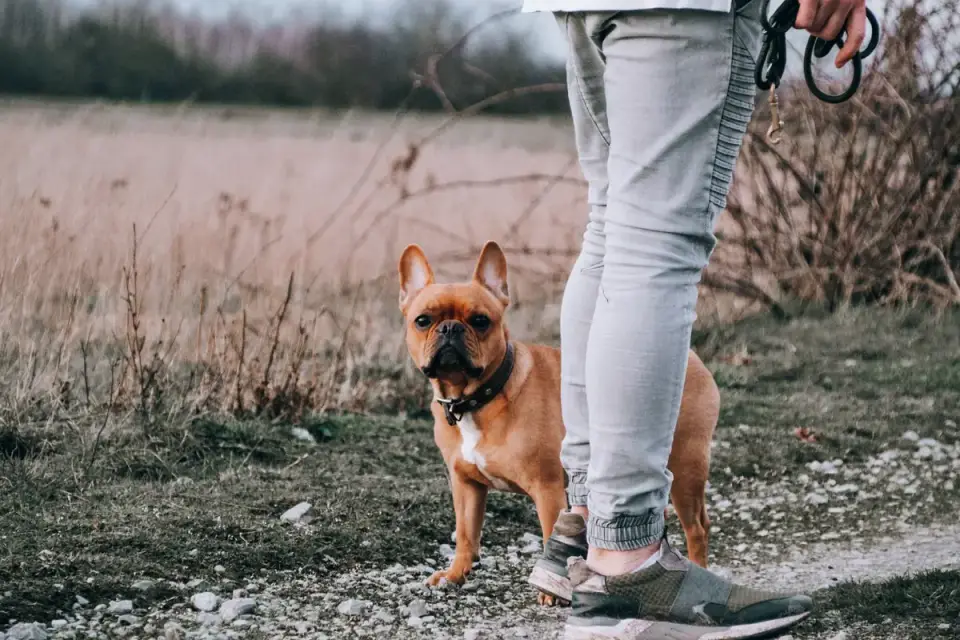
Give the skin a quiet window. Apply to calm, dry skin, keep collars loose for a few hours, and hold baths for at least the interval the label directs.
If your dog needs frequent washing for allergies, ask your vet whether an oral option fits better than fighting the oil layer every week.
What the ingredients actually do to fleas
Most modern spot-ons use adulticides such as fipronil, imidacloprid, selamectin, or fluralaner combinations. The Merck Veterinary Manual describes how these products target the flea nervous system on contact or feeding, which leads to paralysis and death rather than repelling every flea from jumping on.
That distinction matters. You may still see a flea. Seeing one does not mean failure.
Some products add an insect growth regulator like methoprene or pyriproxyfen to help support breaking the life cycle by limiting egg and larva development in the environment.
No spot-on fixes the house by itself. Pupae can sit quietly in carpet and bedding for weeks.
Timing beats switching brands
Fleas live mostly off the dog. Eggs fall, larvae hide, pupae wait. The Companion Animal Parasite Council emphasizes year-round prevention and treating the environment alongside the animal because new adults keep emerging.
That is why the panel view is steady: pick one labeled product, apply it correctly every 30 days without gaps, vacuum and wash bedding, and give it two to three full cycles.
Owners comparing joint support routines often learn the same lesson about continuity. Consistent daily habits matter more than brand-hopping, whether you are tracking flea dates or reading Fish Oil Dosage for Dogs by Weight: What the Panel Actually Recommends and Why Dogs Limp After Resting: Causes and When to See a Vet to understand structure and comfort over time.
Missed doses reset the clock.
How to apply so it can work
You do not need force. You need skin contact.
Part the coat until you see skin between the shoulder blades, or in two to three spots along the back for larger dogs. Tip the tube, squeeze all of it to skin, and let it dry without massaging it in with your fingers. Keep other pets from licking the spot until dry, and wash your hands after.
Skip broken, sunburned, or freshly shaved skin. If the dose runs down the hair, drips off, or your dog shakes mid-squeeze and half lands on the floor, call your vet instead of stacking another full tube. Safety margins differ by ingredient and weight band.
Dogs that bunny-hop, stiffen after naps, or hesitate on stairs deserve a separate look. Those movement changes are rarely about fleas, and pieces like What It Means When a Dog Bunny-Hops While Running can help you describe what you see before the visit.
If scratching stays intense, skin looks raw, or you see lethargy, pale gums, vomiting, or tremors after application, get veterinary care promptly.
Frequently asked questions
How long does topical flea medicine take to work?
Most spot-ons need 24 to 48 hours to spread in skin oils and contact fleas. Seeing a live flea in the first day does not mean it failed.
Can I bathe my dog after applying flea treatment?
Wait for the label interval, usually at least 48 hours, and avoid degreasing shampoos right before or after. Baths strip the oils that carry the product.
Why do I still see fleas after treatment?
New adults can keep emerging from carpet and bedding for weeks. Consistent monthly dosing plus vacuuming and washing bedding for 2 to 3 cycles usually matters more than switching brands.
Sources
- Fleas Guidelines — Companion Animal Parasite Council