

On this page
Bad breath in an older dog is rarely just breath. It often marks periodontal tissue loss that changes how that dog eats, plays, and rests.
Check what matters first, before buying anything:
- Mouth check: lift the lip weekly for red margins, yellow-brown tartar, bleeding, or a shifted tooth
- Eating behavior: dropping kibble, chewing on one side, preferring soft food, pawing at the face
- Pain load: less tug play, reluctance to pick up toys, head shyness around the muzzle
- Professional baseline: annual oral exam under anesthesia with dental radiographs when your vet advises it
- Daily control: toothbrushing with dog toothpaste, plus a Veterinary Oral Health Council-accepted product if brushing lapses
That short list decides far more than any supplement label.
1. Why vets link the mouth to the rest of the body
Periodontal disease begins as plaque, then gingivitis, then attachment loss around the root. By age three, most dogs show some sign, and small breeds progress faster because crowded teeth trap plaque.
The American Veterinary Dental College describes periodontal disease as infection and inflammation of tissues surrounding the tooth, with staging based on exam and radiographs. Pain, bleeding, and tooth mobility follow as support fails.
What the evidence does not yet show is a direct cause-and-effect line from a cleaning to extra years of life. What it does show is consistent: chronic oral infection sustains inflammation and discomfort, and both reduce activity, appetite, and weight stability in senior dogs.
2. Pain shortens healthspan before it shortens lifespan
Dogs rarely cry with tooth pain. They compensate.
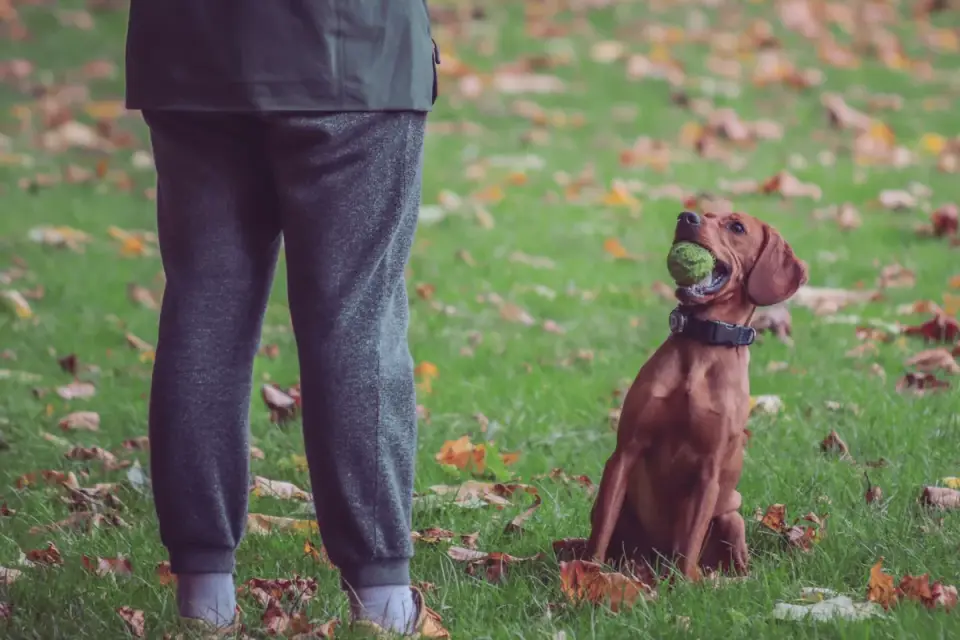
Ricky, in Fullerton, California, noticed his 13-year-old Rottweiler Winslow took nearly 10 minutes to finish a bowl he once cleared in three, then carried a tennis ball without squeezing it. Vets often see that pattern — slower meals, one-sided chewing, and quieter play — when posterior teeth hurt.
The VCA Hospitals overview notes bad breath, drooling, pawing at the mouth, and reluctance to eat as common signs owners can track at home. Those signs matter for longevity because eating less protein and moving less accelerates muscle loss in a geriatric dog.
A single short paragraph holds here. Less chewing means fewer calories and less enrichment, week after week.
3. Inflammation, bacteria, and what travels beyond the gums
Ulcerated gums bleed. Bleeding tissue gives oral bacteria routine access to the bloodstream during chewing.
That bacteremia is transient in most dogs, but inflamed tissue also releases local mediators that keep the immune system engaged. Cornell University College of Veterinary Medicine explains that untreated periodontal disease can damage jaw bone, lead to tooth loss, and create ongoing infection that affects overall condition.
For longevity, the narrow claim is this: controlling oral infection lowers a chronic inflammatory burden and supports normal heart, kidney, and metabolic function. It does not treat heart or kidney disease, and a dental procedure does not reverse organ disease already present.
Owners weighing senior anesthesia often ask if the risk outweighs the gain. Modern pre-anesthetic bloodwork, monitored anesthesia, and dental radiographs exist precisely to find painful teeth that awake exams miss and to remove the source rather than mask it with antibiotics.
4. What actually extends comfortable years
Daily plaque removal wins. Brushing remains the standard because it disrupts biofilm before it mineralizes into tartar in 24 to 72 hours.
Use this order:
- Brush 30 to 60 seconds per side, most days, focusing on the outer upper molars and canines
- Choose soft brushes, enzymatic dog paste, and finger brushes for sensitive seniors
- Add VOHC-accepted chews or diets only as adjuncts, not replacements
- Schedule professional care when calculus, recession, or bleeding persists despite home care
For context on aging support beyond the mouth, see Signs Your Senior Dog Could Benefit From a Longevity Supplement and Do Senior Dogs Need a Higher Longevity Supplement Dose Than Middle-Aged Dogs?. Cognitive and mobility topics overlap here too; Lion’s Mane Mushroom for Dog Cognitive Health: What the Evidence Actually Supports keeps claims within the same narrow frame.
No chew, powder, or water additive replaces mechanical plaque removal. Products that soften breath without reducing plaque do not change the disease course.
5. A narrow verdict for owners who want more good days
Keep the goal specific: retain comfortable chewing, stable weight, and low oral pain into the senior years.
That means annual oral exams, radiographs when indicated, prompt treatment of fractured or mobile teeth, and home brushing you can sustain. The evidence is strong that periodontal disease causes pain and tooth loss, mixed on how much systemic disease it causes, and thin that any single home product alone extends lifespan.
What comes next is simple tracking. Note meal time, toy interest, and breath odor each month. If all three drift the wrong way for two weeks, book the mouth exam before changing food or adding supplements.
Frequently asked questions
Does dental cleaning help my dog live longer?
No study proves extra years from cleaning alone. Cleaning removes painful infection and tartar, which supports eating, activity, and weight — the behaviors tied to healthy aging.
Is anesthesia safe for a senior dog's dental?
Risk rises with age and illness, but pre-anesthetic testing, monitoring, and radiographs lower it. Ask your vet what will be monitored and which teeth truly need treatment.
What if I cannot brush every day?
Brush when you can, even 3-4 times weekly, and add a VOHC-accepted chew or diet. Persistent bleeding, loose teeth, or one-sided chewing still needs an exam.
Sources
- Dental Disease in Dogs — VCA Hospitals