On this page
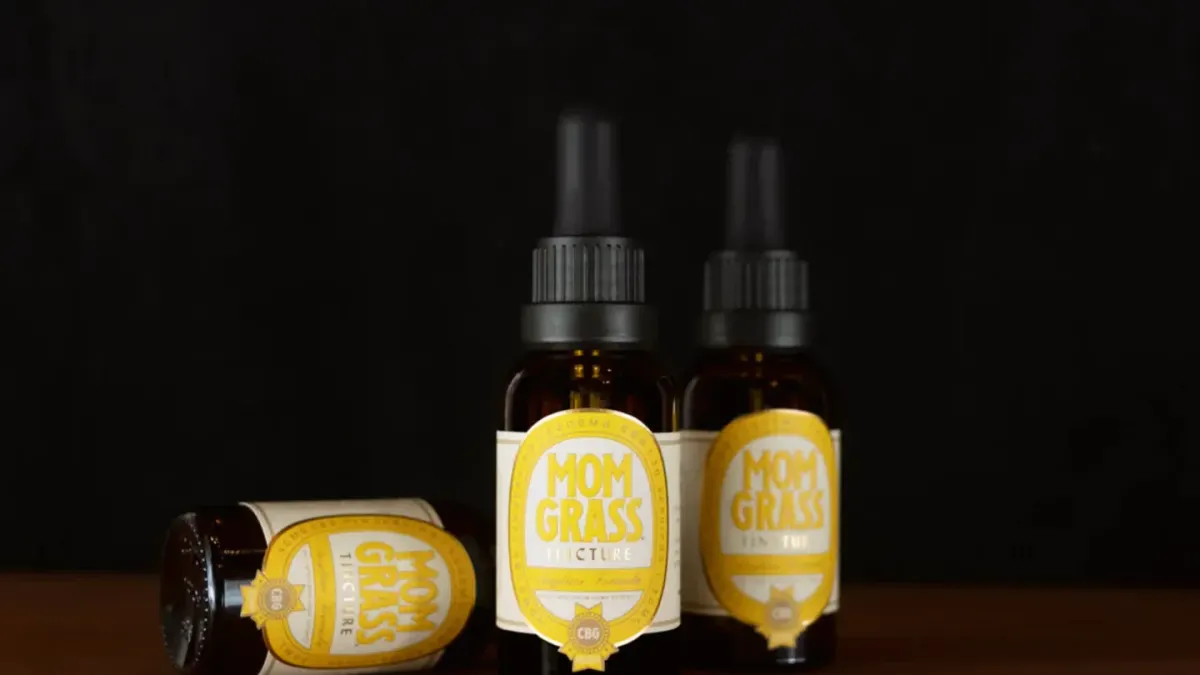
Is the amber dropper bottle in front of you hemp oil, or is it CBD oil? Owners ask our review panel this more than almost any other question in the joint-and-calming aisle, and the honest answer is that the two get conflated on purpose by marketing copy that wants you not to notice the difference.
In my practice, I’ve watched this confusion play out with real consequences. A twelve-year-old Aussie mix named Scout came in for a recheck last winter, three months into what the owner believed was “CBD therapy” for her arthritis. The label said hemp oil, cold-pressed, with no cannabinoid content listed at all — it was a nutritional fatty-acid supplement, not a cannabinoid one. Scout’s owner had been dosing for pain relief that the product was never formulated to deliver. Her stiffness after long naps hadn’t budged in twelve weeks, and she was still hesitating at the bottom porch step every morning. That’s not a failure of hemp oil; it’s a mismatch between what the label said and what the owner needed it to do.
What’s actually in the bottle: hemp seed oil versus hemp extract
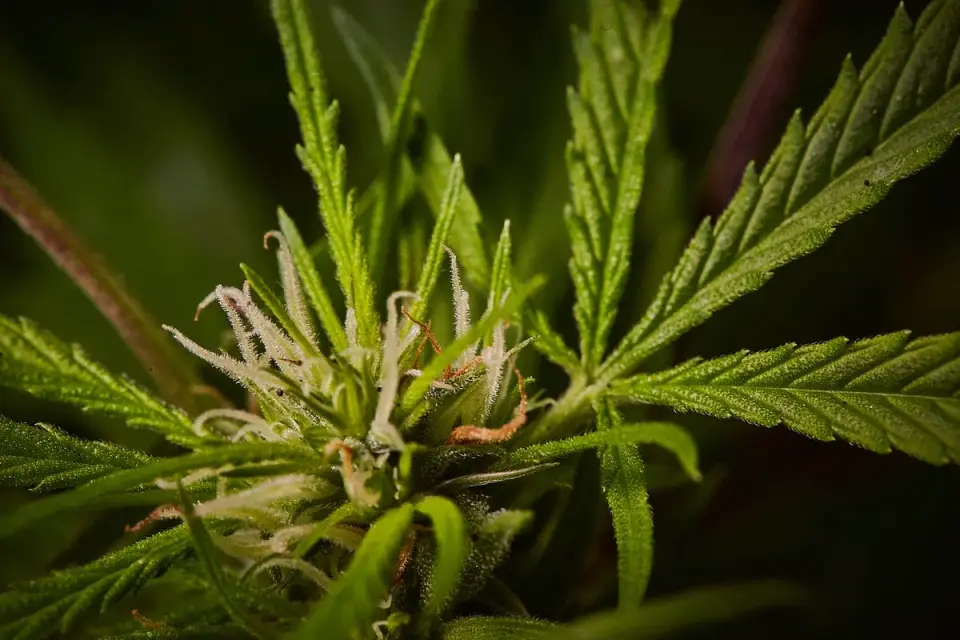
The confusion starts with the plant itself. Both products come from Cannabis sativa, but they’re pressed from different parts of it. Hemp seed oil is cold-pressed from the seeds, which contain essentially no cannabinoids — no CBD, no THC, nothing psychoactive or pharmacologically active in the cannabinoid sense. What it does carry is a favorable ratio of omega-3 and omega-6 fatty acids, along with vitamin E and other trace nutrients, which is why you’ll find it in skin-and-coat and general wellness formulas rather than in pain or anxiety products. CBD oil, by contrast, is extracted from the flowers, leaves, and stalks of the hemp plant specifically to concentrate cannabidiol, one of over a hundred cannabinoids the plant produces. That extraction step is the whole difference: it’s the reason CBD oil can plausibly support pain modulation or a calmer stress response, while hemp seed oil, whatever its nutritional merits, structurally cannot.
What the dosing and safety data actually show
Because CBD oil is the pharmacologically active one, it’s the one with a real (if still thin) clinical evidence base — and it’s worth being precise about what that evidence does and doesn’t say. A widely cited pharmacokinetics and safety study published in Frontiers in Veterinary Science tested CBD oil at 2 mg/kg twice daily in dogs with osteoarthritis and found a significant decrease in owner- and veterinarian-assessed pain scores at both two and four weeks, alongside increased activity. That’s a real signal. But the same study also flagged that nine of sixteen dogs showed elevated alkaline phosphatase on serum chemistry during treatment — not necessarily dangerous, but a reason the researchers recommended monitoring liver values rather than assuming CBD is inert. Since then, other trials have landed on softer conclusions: some found no statistically significant improvement in pain or quality of life at all, and one review concluded the overall evidence base still suffers from small sample sizes and inconsistent dosing protocols across studies.
I’d rather be direct about where that leaves us than paper over it. The safety signal for CBD oil, used short-term and at modest doses, is reasonably reassuring — mild GI upset was the most common adverse event across the trials I’ve reviewed, and no dog in the Frontiers cohort showed dangerous toxicity. The efficacy signal is real but not settled; it’s promising enough that I’ll discuss it as an adjunct for a dog already on a full osteoarthritis plan, not strong enough that I’d tell an owner to trade in a proven NSAID or joint supplement for it. Hemp seed oil doesn’t carry this same evidence burden, because it isn’t making the same claim — its case rests on general omega-3/omega-6 nutrition, the kind you’d also get from a fish oil supplement, not on cannabinoid pharmacology.
Neither product is regulated the way a drug is, which matters more than most labels let on. The FDA has been explicit that it considers pet food and treats containing hemp-derived CBD to be unapproved for interstate commerce, and per U.S. Food and Drug Administration: FDA Regulation of Cannabis and Cannabis-Derived Products, there’s still no ingredient definition or GRAS determination allowing hemp-derived CBD in animal food. That regulatory gap is exactly why label accuracy and third-party testing carry so much weight in this category — nobody at the federal level is checking the bottle for you before it ships. It’s part of why our panel treats how our reviewing vets score dog supplements the way we do: potency verification isn’t optional when the ingredient itself sits in a gray zone.
Reading the label so you actually get what you’re paying for
The practical test is simpler than the marketing makes it look. If a label says “hemp oil,” “hemp seed oil,” or lists hemp seed oil as an ingredient with no milligram count for CBD, you’re holding a fatty-acid nutritional product — useful for coat and general wellness, not formulated to modulate pain or anxiety. If a label says “CBD oil,” “hemp extract,” or “full-spectrum hemp extract” and lists a specific milligram amount of CBD per serving along with a batch number tied to a certificate of analysis, you’re holding a cannabinoid product, and that COA is what tells you the actual CBD content matches the label claim and that THC and contaminant levels are within safe range. A product that claims cannabinoid benefits without publishing a COA is asking you to trust a label the FDA itself isn’t verifying — that’s a reasonable place to walk away.
For a dog whose issue is joint stiffness or an anxious stress response, structure and dosing form matter almost as much as the ingredient choice itself; our panel’s comparison of chew, powder, and liquid supplement formats covers how absorption and compliance shift between those delivery methods, which applies whether you land on a hemp seed oil or a CBD product. And because so many owners reach for CBD specifically hoping to calm an anxious dog, it’s worth weighing it against other options with their own evidence trails, which we walk through in our review of calming herbs for dogs.
Here’s the scene I keep coming back to when I counsel owners on this. A nine-year-old Lab named Cooper came in this spring, sixty-eight pounds, slower getting into the car and skipping his evening walk more often than not. His owner had already tried a joint chew with modest results and was weighing whether to add a CBD product or switch entirely. We talked through what a true CBD product looks like on paper — a COA showing 10–15 mg of CBD per serving for a dog his size, no unverified THC content, and a start-low approach over two weeks with the owner tracking stair tolerance and how long he stayed lying down after getting up. That’s the conversation hemp seed oil alone can’t have with you, because it was never built to move that needle. Six weeks later, Cooper was managing the porch step and one evening lap around the block again — one dog, not a study, but it’s the kind of change that tells me whether we’re on the right track.
The verdict
Hemp oil and CBD oil for dogs aren’t competing versions of the same product — they’re different tools with different jobs, and evaluating them against each other only makes sense once you know which one you’re actually holding. Hemp seed oil earns its place as a nutritional fatty-acid support with a clean, well-established safety profile and effectively no cannabinoid activity. CBD oil carries a thin but real evidence base for pain modulation in osteoarthritic dogs, a safety profile that looks reassuring at moderate short-term doses but still warrants liver-enzyme awareness, and a regulatory landscape that puts the burden of verification on you, the buyer, rather than on the FDA. If your dog’s issue is coat quality or general nutritional support, hemp seed oil is doing exactly what it’s supposed to do. If you’re chasing pain relief or a calmer stress response, don’t settle for a hemp seed oil label and hope — look for a milligram-dosed CBD product with a published certificate of analysis, and loop in your vet on dosing before you start.
Frequently asked questions
Can I give my dog hemp oil instead of CBD oil for anxiety?
Not with any expectation of the same effect. Hemp seed oil contains essentially no cannabinoids, so it isn't formulated to influence stress response the way a properly dosed CBD product is; it's a nutritional fatty-acid supplement, not a calming aid.
Is CBD oil safe for dogs?
Short-term studies at moderate doses suggest reasonable tolerability, with mild GI upset as the most common side effect. One trial noted elevated liver enzyme values in some dogs, so vets generally recommend baseline and follow-up bloodwork for dogs on CBD long-term.
How do I tell hemp oil and CBD oil apart on a label?
Look for a milligram amount of CBD per serving and a certificate of analysis with a batch number. If the label only says "hemp oil" or "hemp seed oil" with no CBD content listed, it's a nutritional product, not a cannabinoid one.
Sources
- Pharmacokinetics, Safety, and Clinical Efficacy of Cannabidiol Treatment in Osteoarthritic Dogs — Frontiers in Veterinary Science
- FDA Regulation of Cannabis and Cannabis-Derived Products, Including Cannabidiol (CBD) — U.S. Food and Drug Administration