
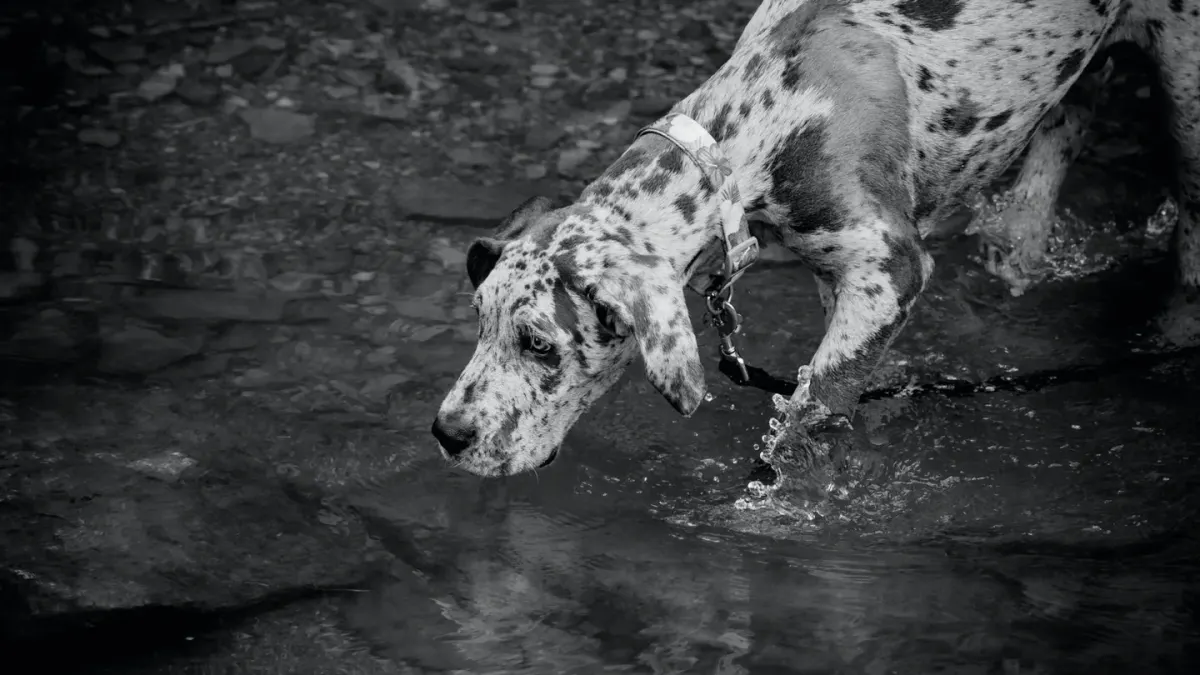
A senior mixed-breed dog, 9 years old and 48 pounds, started skipping breakfast after three nights of soft stool and audible gut gurgling in a quiet apartment kitchen, and the owner wondered whether a demulcent herb like marshmallow root could help settle the pattern without another bland-diet cycle. That question captures the real decision owners face: whether to reach for a coating herb to help support normal comfort during digestion, or to stay with food-first fundamentals while the gut steadies. My position is evidence-bounded and food-first: marshmallow root may help support the mucosal lining through its mucilage, yet it does not replace balanced fiber, hydration, and veterinary workup for persistent signs.
Why Coating Gets Confused With Healing
Food-therapy reasoning starts with structure and function. The stomach and intestines maintain a mucus layer that helps protect epithelial cells while nutrients pass through. Marshmallow root, or Althaea officinalis, contains polysaccharide mucilage that forms a viscous film when mixed with water. In traditional herbal references summarized by Mount Sinai, marshmallow root preparations are described as a demulcent for soothing minor irritation of the mouth, throat, and associated digestive comfort in people.
That mechanism is plausible for dogs, but plausibility is not proof. The National Center for Complementary and Integrative Health notes broadly that evidence for many herbs remains limited in people, let alone in dogs. No controlled canine trial establishes a dose of marshmallow root that maintains normal stool quality or supports healthy gut permeability.
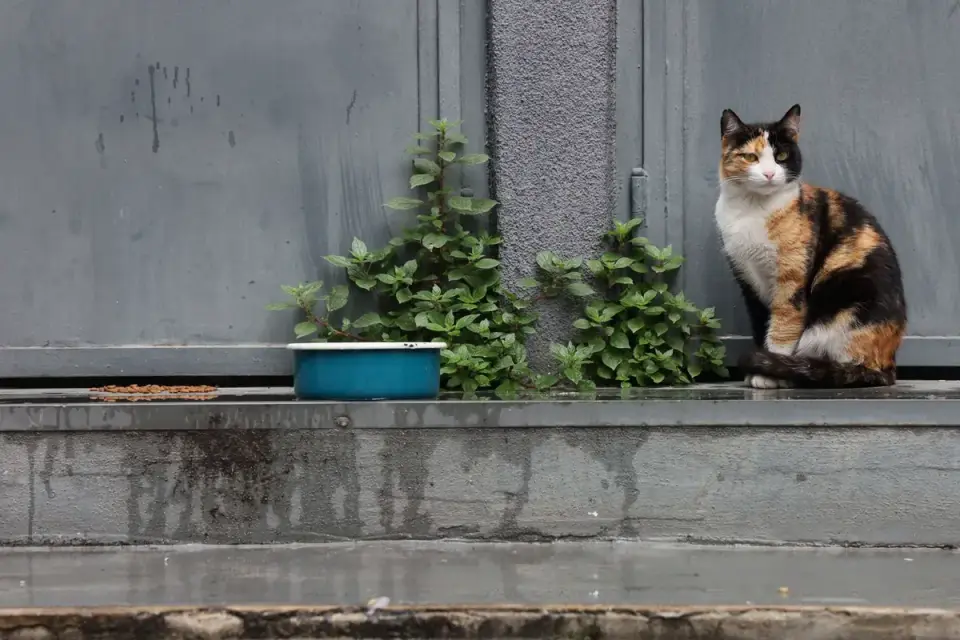
A 4-year-old 31-pound French bulldog in a second-floor walk-up taught me the tradeoff owners often miss. After two weekends of table scraps and four extra evening walks cut short by urgency, the owner brewed a strong marshmallow tea and poured it over kibble for five straight dinners. Stool softened less for two nights, then returned with gas and lip-licking by night six. The herb had not addressed meal timing, portion creep, or the missing soluble fiber that helps maintain normal fermentation. Once meals returned to measured portions with added water and consistent walk times, comfort steadied without continued brewing.
What Mucilage May Help Support
Mucilage does not digest like starch. It hydrates, swells, and may help support the existing mucus layer that lines the gut. That physical action is distinct from probiotics, which aim to help maintain microbial balance, or from pumpkin fiber, which provides both soluble and insoluble bulk. For context on microbial approaches, our review of The Best Probiotic for Dogs: Our Vet Panel’s 2026 Verdict explains why strain pairing and consistency matter more than marketing counts.
Marshmallow root also contains flavonoids and pectins, but canine pharmacokinetic data are absent. Human use centers on short-term soothing of irritated mucous membranes, not on changing motility or enzyme output. In dogs with ongoing vomiting, bloody stool, weight loss, or dehydration, the Merck Veterinary Manual description of the digestive system is a useful reminder that persistent signs reflect deeper dysfunction that coating alone cannot correct.
Where I Draw the Line for Now
My recommendation stays narrow: consider marshmallow root only as a short-term, food-based adjunct to help support normal mucosal comfort in an otherwise healthy adult dog with mild, self-limiting softness, alongside water, digestible meals, and veterinary guidance. I do not recommend it for chronic large-bowel signs, suspected obstruction, pancreatitis, kidney disease with fluid shifts, or for puppies with incomplete vaccination and higher dehydration risk. Powdered root can swell, may alter absorption timing of concurrent medications, and loose powders pose a choking risk if under-hydrated.
An 11-year-old 19-pound senior terrier mix with early kidney changes showed where usual advice has to bend. Over a dated timeline from March 3 to March 10, the owner noted three vomits, two skipped dinners, and increased nighttime drinking across roughly 300 feet of hallway pacing before settling. Instead of adding marshmallow tea, we prioritized veterinary bloodwork, warmed small meals, and steady water access first. The herb waited until hydration and medication timing were clarified, then was used briefly in a dilute, well-strained preparation only because pill timing could be separated by two hours. Soothing never outranked safety monitoring in that age group.
What would change my mind is straightforward: a randomized canine study showing marshmallow root helps maintain normal fecal scores or supports gut barrier markers compared with placebo, with reported dose, preparation, and adverse events. Until that evidence exists, demulcent tradition plus mucilage chemistry supports only a cautious may-help-support claim. Owners seeking firmer digestive support should anchor on proven structure-function levers discussed in Can I Give My Dog Imodium for Diarrhea? Our Panel’s Verdict before layering herbs.
Practical next step: if stools stay soft beyond 48 hours, if appetite drops, or if any red-flag sign appears, pause the experiment and call your veterinarian with diet, timeline, and medication details in hand.
Frequently asked questions
Can marshmallow root replace a vet visit for dog diarrhea?
No. It may help support normal mucosal comfort in mild cases, but persistent vomiting, blood, lethargy, or dehydration needs prompt veterinary care.
How is marshmallow root usually prepared for dogs?
Owners typically encounter cold-infused teas or powdered root mixed with ample water, but there is no established canine dose. Ask your veterinarian about preparation, medication separation, and short-term use.
Sources
- Marshmallow herb overview — Mount Sinai