
On this page
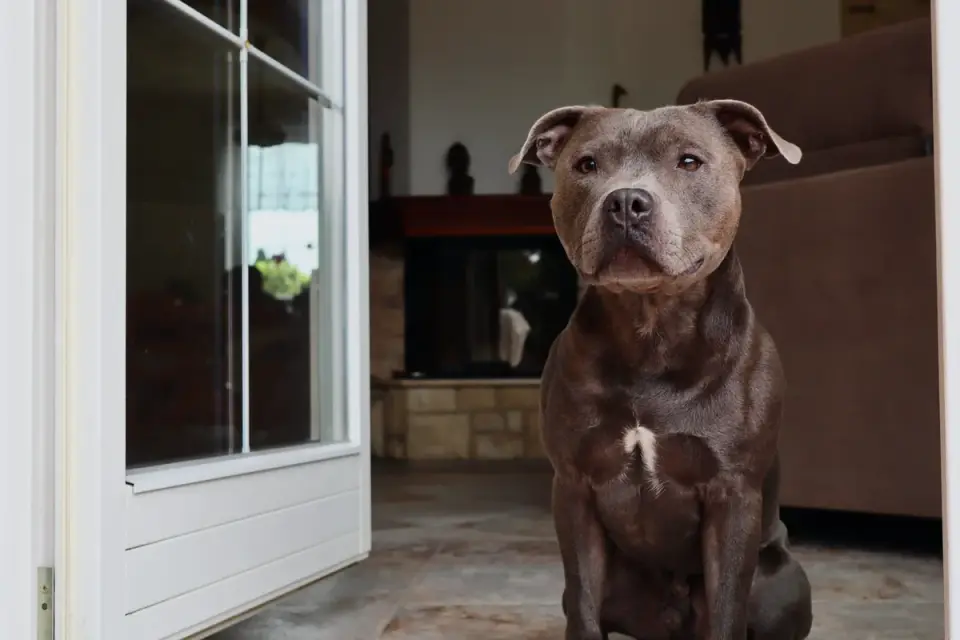
Around 9 p.m. on a Saturday in December, a 6-year-old 52-pound pit mix named only in my notes as a party guest starts clearing the living room. Her owner had arrived with a bag of her usual kibble and good intentions, but by dessert three different relatives had slipped her cheese cubes, a bacon-wrapped bite, a peanut-butter training treat from a coat pocket, and half a gingerbread dog cookie from the host’s treat jar. By the car ride home she is passing loud, sulfurous gas, restless but still wagging, belly gurgling when the owner presses an ear to her side.
That pattern is familiar in practice. In Western terms it looks like acute dietary indiscretion with hindgut fermentation; in TCVM terms I read it as food stagnation overtaxing Spleen-Stomach digestion. My position is consistent across both lenses: for an otherwise bright dog with gas alone after new treats, the priority is removing the extras and holding a plain baseline, not adding a stack of new gut products on top of a party.
The Treat Bowl Is Rarely One Thing
New treats cause gas because they change several variables at once. Fat level jumps, fiber type shifts, protein source is unfamiliar, portion creeps up with handouts, and timing slides late into the evening. The colon bacteria ferment what the small intestine did not fully handle, and gas is the audible byproduct.
Dairy, fatty meat trimmings, high-sugar soft chews, sugar alcohols like sorbitol, and treats heavy in soy, pea fiber, or dried legumes are common offenders. None of this means the treat is toxic. It means dose plus novelty plus a rich party context overwhelmed normal digestive capacity for a night.
Flatulence alone, without vomiting, diarrhea, belly pain, or lethargy, often settles within 12 to 24 hours once feeding returns to normal.
When I Watched Plain Waiting Lose to Good Intentions
Three weeks in to December, a 4-year-old 28-pound beagle mix came back to my notes after a neighborhood cookie exchange. He had developed soft stool and room-clearing gas the night of the party, and his owner, worried about the microbiome, had done what many thoughtful owners do. She kept the new salmon training bites because the bag was expensive, added a spoon of plain pumpkin, then a neighbor’s probiotic chew, then a digestive enzyme sprinkle by day 10 when the stool was still soft.
Each addition made sense alone. Together they kept changing the gut environment while I could no longer tell what was party effect and what was supplement effect. His appetite stayed good and his energy stayed normal, but his stool log never stabilized because the baseline never stayed still for more than two days. We stripped everything back to his regular kibble and water for 72 hours, kept treats to a single familiar biscuit, and the gas quieted before the stool firmed.
What Rest Helps, and What May Help Support Recovery
My recommendation stays narrow: stop all new treats, feed the normal balanced diet at normal times, keep water fresh, skip table scraps, and watch stool, appetite, comfort, and energy for a day. Leash walks and a calm evening help motility more than most owners expect. Supplements may help support normal digestion during recovery, framed that way, but they are secondary to removing the cause.
That evidence boundary matters. In dogs, response to microbiome interventions varies between individuals; one recent trial noted that “Diversity metrics did not distinguish non-responders from responders,” as reported in Frontiers in Veterinary Science. I do not use that to dismiss probiotics. I use it to avoid promising a predictable overnight fix for party gas.
The strongest counterargument is that a probiotic or pumpkin fiber should be started immediately to “rebalance” the gut. For a dog with ongoing loose stool after boarding or antibiotics, that conversation is different, and I discuss longer support plans in our guide to The Best Probiotic for Dogs: Our Vet Panel’s 2026 Verdict. For single-night gas after treats, layering new fibers and microbes can prolong the experiment. A balanced gut microbiome does support overall immune function in broad terms, but a healthy dog recovers that balance best when we stop perturbing it.
Short-term fiber from a familiar food is less disruptive than three new products. If you already use a plain pumpkin or psyllium product your dog tolerates, a small measured amount with a regular meal is reasonable. If you do not, party night is a poor time to introduce one.
The Small-Dog Exception That Changes My Threshold
By day 2 after a New Year’s gathering, a 9-year-old 11-pound senior mix was still passing gas, but the details had shifted. She had refused breakfast, vomited yellow foam once, and hunched after drinking, with a tender cranial abdomen on palpation. That is no longer simple flatulence. Small and senior dogs dehydrate faster, and fatty indiscretion raises concern for pancreatitis, obstruction from wrappers, or xylitol exposure from sugar-free treats.
That edge case is why I give owners a clear stop rule rather than reassurance alone. Call your veterinarian promptly for repeated vomiting, bloody stool, abdominal pain, distension, lethargy, refusal of water, or gas paired with unproductive retching in a large, deep-chested breed. Bring treat labels and an estimate of how much was eaten. For context on what supports hydration and when home care is not enough, see Pedialyte vs a Dog Rehydration Supplement for Diarrhea: The Vet Verdict and Can I Give My Dog Imodium for Diarrhea? Our Panel’s Verdict.
Chronic or recurrent gas deserves a different workup. Persistent poor digestion with weight loss, greasy stool, or coprophagia points away from treats toward conditions such as exocrine pancreatic insufficiency. In that disease, “EPI is treated by pancreatic enzyme replacement therapy, nutritional management (low-residue diets with moderate fat content), and supplementation of cobalamin.” as summarized in the Journal of the American Veterinary Medical Association. The same review notes that “Future studies are needed to further understand the causes of persistent dysbiosis in animals with EPI following initiation of pancreatic enzyme replacement therapy and assess the efficacy of treatments to ameliorate these abnormalities.” Occasional holiday gas is not that disease, and I keep the distinction explicit for owners.
Keep the next party simple. Feed dinner before guests arrive, bring your own training treats, ask the host to route all handouts through you, secure trash and dessert tables, and log any new treat by name. Gas without other signs gets 24 hours of plain feeding and observation. Anything more gets a call.
Frequently asked questions
How long should gas last after new holiday treats?
Isolated gas often eases within 12 to 24 hours once extras stop and regular meals resume. If gas persists beyond 48 hours, or if vomiting, diarrhea, pain, lethargy, or appetite loss appear, contact your veterinarian.
Should I give a probiotic right away for party gas?
For a bright dog with gas alone, removing new treats and holding a plain baseline comes first. A familiar probiotic or fiber your dog already tolerates may help support normal digestion, but starting multiple new products on party night can make it harder to tell what is helping.
What holiday treat ingredients are most likely to cause gas?
High-fat cheese and meat trimmings, rich soft chews, large volumes of unfamiliar proteins, soy or legume-heavy biscuits, and treats with sorbitol or excess sugars commonly increase fermentation. Portion and novelty matter as much as the ingredient itself.
Sources
- Probiotic response and microbiome diversity in dogs — Frontiers in Veterinary Science
- Exocrine pancreatic insufficiency diagnosis and management review — Journal of the American Veterinary Medical Association