
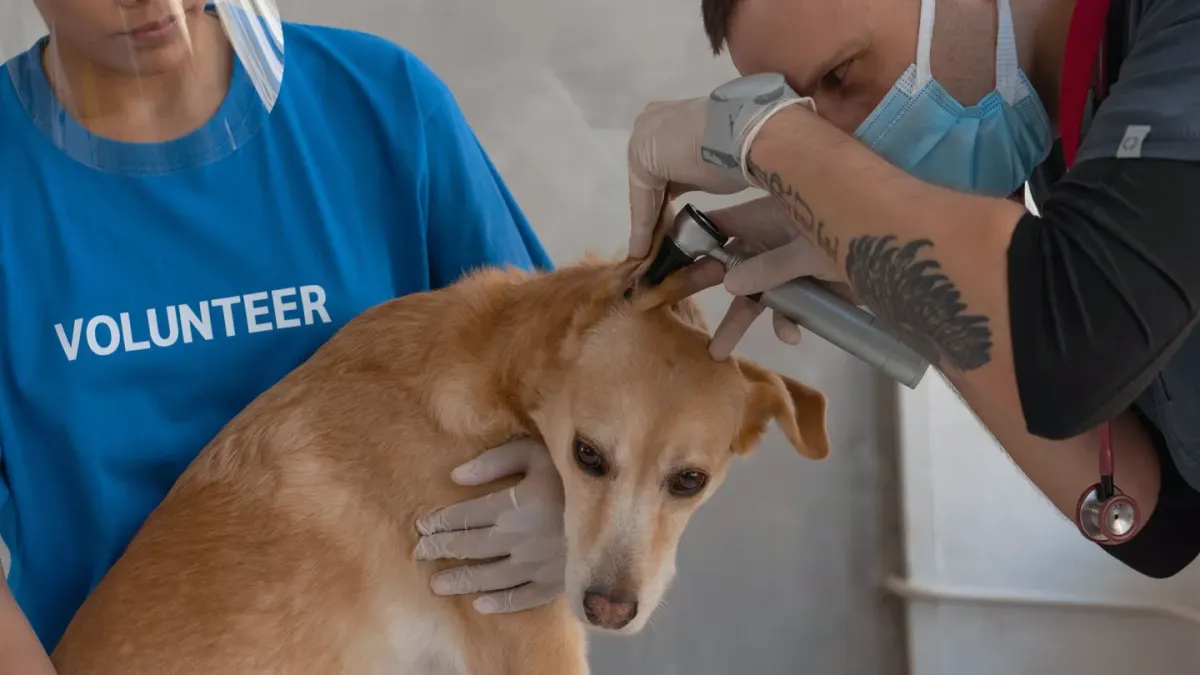
Chichi, a 6-year-old neutered male Havanese mix from Sterling Heights, starts panting and pacing when Theresa closes the windows before a storm, and that pattern of autonomic arousal followed by restless movement is the nervous-system moment owners ask about when they reach for a pressure wrap.
How steady pressure may support the anxious nervous system
From a neurology perspective, anxiety reflects heightened sympathetic tone and reduced ability to habituate to a trigger, while the whole-patient pattern includes muscle tension, panting, pacing, whining, and clinginess. A snug thoracic wrap is thought to provide sustained proprioceptive input, which may help support a calmer behavioral state in some dogs, much as swaddling, Tui-na holding techniques, and acupressure aim to steady rather than sedate the patient.
That distinction matters, because wraps do not change hearing, do not block fear learning, and do not replace desensitization, predictable routine, exercise, and a safe resting place. In my neurology and integrative cases, I fold a modality in without overstating what it fixes, so I describe a wrap as one input to the system that may help support relaxation during predictable triggers such as thunder, fireworks, travel, or veterinary visits.
Owners who notice nighttime restlessness often benefit from reading about why dogs pace at night alongside wrap use, because pacing can reflect anxiety, pain, cognitive change, or a need to urinate.
What the evidence actually shows for dogs
The published controlled work on snug vests and maintained pressure for canine anxiety is small, short-term, and mixed, with some dogs showing lower owner-rated anxiety scores or reduced activity during storms or separation while others show little change. That pattern is familiar in calming care: individual response varies, blinding is difficult when an owner can see the vest, and outcome measures often rely on behavior scores and cortisol rather than long-term fear resolution.
General veterinary behavior resources, including the Merck Veterinary Manual, frame separation-related distress and noise aversion as multifactorial conditions that respond best to combined management, training, and, when needed, veterinary-prescribed care rather than any single device. Quality and safety oversight for calming supplements is a separate question, and the National Animal Supplement Council provides the industry quality framework many veterinarians check before discussing oral products.
Because the wrap literature stays thin, I do not position pressure as equivalent to behavior modification or medication for panic, generalized anxiety, or aggression. For dogs with severe signs — escape attempts, self-injury, prolonged anorexia, or panic that lasts hours after the trigger — an in-person examination is the next step, not a tighter vest.
Fitting, introducing, and deciding whether it helps
Fit determines both comfort and whether any trial is interpretable. The wrap should sit snug over the chest and torso without restricting breathing, shifting over the neck, chafing the axillae, or causing freezing, lip licking, yawning, or attempts to remove it. I prefer a short neutral introduction: let the dog sniff the fabric, drape it without fastening, reward calm standing, then fasten briefly during a calm period before ever using it during a storm.
Use a simple test protocol for two to three predictable events:
- Choose one trigger and one observable measure, such as minutes of pacing, intensity of trembling, or ability to settle on a mat.
- Apply the wrap 10–20 minutes before the expected trigger when possible, keep the environment otherwise consistent, and remove it after the dog has settled.
- Record what changed and what did not, including any increase in agitation, overheating, skin irritation, or reluctance to have it applied.
If there is no clear benefit after several fair trials, discontinue rather than layering tighter pressure. If there is partial benefit, keep the wrap as part of a broader plan that includes predictable shelter, background sound, calming routine, and discussion with your veterinarian about training referrals or additional support. Dogs with cardiac disease, respiratory disease, skin wounds, severe orthopedic pain, or extreme handling sensitivity need veterinary guidance before any sustained thoracic pressure.
For context on oral calming ingredients owners often consider alongside wraps, our panel discussion of chamomile dosage for dogs and questions to raise about SAM-e for dogs illustrate how tradition, preliminary study, and safety monitoring must be weighed separately.
Frequently asked questions
Should a pressure wrap be tight to work?
No. It should feel snug and even over the chest without limiting breathing, rubbing the armpits, or causing distress. If your dog freezes, pants harder, or tries to remove it, remove it and ask your veterinarian for guidance.
Can a wrap replace anxiety medication?
No. A wrap may help support calm during mild, predictable triggers in some dogs, but panic, escape behavior, self-injury, or persistent anxiety needs veterinary evaluation and a broader behavior plan.
Sources
- Merck Veterinary Manual — Merck Veterinary Manual
- NASC Quality Program — National Animal Supplement Council