

On this page
A 4-year-old 48-pound pit mix came in for soft stools after boarding, and her owner had already bought a prebiotic powder with mannan oligosaccharides sprinkled on top of kibble for six mornings straight. She wanted to know whether to keep going, switch to pumpkin, or stop supplements entirely and just wait. That question is exactly where MOS sits in day-to-day practice: plausible support for normal bowel function, not a fix for ongoing diarrhea, and hard to judge from a front label alone.
Before we go further, here is the checklist I use when an owner asks about any MOS product:
- Name the job: supports normal stool form and fermentation balance, not treatment of disease
- Check the source and amount: yeast cell-wall MOS listed with mg per scoop or chew, not a dusting in a blend
- Look for pairing: adequate fiber and consistent feeding trial, not MOS alone for 2 days
- Track a marker for 14 days: stool score, frequency, flatulence, and appetite
- Know when to stop and call: blood, vomiting, weight loss, or no trend by week two needs an exam
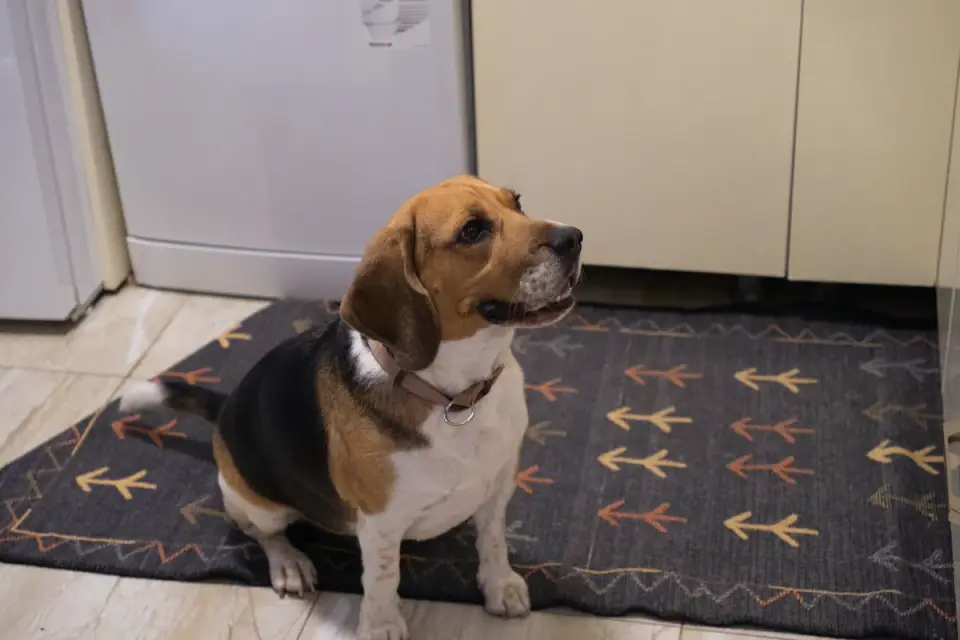
What I watch in the stool bowl before I credit a prebiotic
MOS are short mannose-based fibers, usually from yeast cell walls, that pass undigested to the large bowel where resident microbes can ferment them. In plain owner language, they feed the neighborhood rather than seeding it the way live probiotics try to do. That distinction matters because owners often expect a prebiotic to work overnight like an antidiarrheal.
The dog literature is small and mixed, which is why I stay in structure/function language. The most-cited controlled feeding work is The Journal of Nutrition, which tested supplemental fructooligosaccharides and mannanoligosaccharides on ileal and total-tract digestibility, microbial populations, and protein catabolites in dogs. Findings supported shifts in fermentation and microbial measures without major changes in nutrient digestibility, a pattern I describe to owners as may help maintain normal bowel function rather than proof of firmer stools in every dog.
A balanced gut microbiome supports overall immune function, and that background helps explain why steady feeding, water, exercise, and fiber often matter more than any single powder.
When a short trial looked helpful, and when plain fiber won
A 9-month-old 19-pound beagle puppy in a new apartment had gassy, soft-but-formed evening stools for about 10 days after a food transition. The owner had added a MOS chew at roughly half the label amount while also changing treats three times that week. We simplified to one complete puppy diet, kept the MOS at the full label amount for 14 days, and logged stools on a 1-to-7 chart plus walks. By day 9 the evening stool moved from a 5 to a 3, flatulence dropped from nightly to twice that second week, and weight held steady at 19.4 pounds on the clinic scale. I credited consistency first and MOS second.
Then came the tradeoff I see often. A senior 12-year-old 62-pound Labrador with early kidney disease and a tender belly arrived after his owner layered MOS powder over psyllium over pumpkin for five days, hoping more fiber meant better stools. Instead we got louder borborygmi, three extra outdoor trips per day, and a dog who walked away from breakfast on day 4. More fermentation was not better there. We pulled back to water, the prescribed diet, and one fiber source at a time, and his appetite returned within 48 hours. That case is why I reject stacking three fermentable fibers at once.
Formulation context also helps. National Academies Press in Nutrient Requirements of Dogs and Cats sets the baseline for complete nutrition, and no prebiotic replaces that foundation. If the base diet is incomplete, changing toppers will not stabilize the gut.
Where MOS stops winning and what I do instead
A 6-year-old 27-pound French bulldog with chronic large-bowel signs bent my usual advice. She had mucus, urgency across a 0.4-mile morning loop, and two nighttime accidents per week for three weeks despite a careful MOS trial with logged meals. That pattern points away from a supplement tweak and toward examination, fecal testing, diet review, and sometimes imaging or referral. We paused the powder, kept meals bland and consistent until seen, and moved to diagnostics rather than a higher dose. Prebiotics support normal function; they do not evaluate persistent hematochezia, vomiting, weight loss, or lethargy.
That honesty matters because the preventive evidence is thin. Most dog trials are short, use beagles or small laboratory groups, test combination fibers, and measure fermentation markers rather than owner-centered outcomes like accident frequency. I tell owners MOS may help maintain normal stool quality and microbial balance in healthy dogs, and I also tell them I have seen no reliable response in many dogs.
If you try it, be decisive for two weeks. Choose one product with a stated MOS amount in mg, feed the same diet and treats, keep water and exercise steady, and record stool score and count daily. Learn more about live-microbe options in The Best Probiotic for Dogs: Our Vet Panel’s 2026 Verdict, and know red-flag drug questions like Can I Give My Dog Imodium for Diarrhea? Our Panel’s Verdict deserve a vet call rather than a higher scoop. For broader gut-support context, I also point owners to Medicinal Mushrooms for Dog Longevity and Immune Support: What the Evidence Actually Says.
My panel-style verdict on MOS for normal digestion
Evidence is modest but coherent: yeast-derived MOS can shift hindgut fermentation in dogs without harming digestibility in controlled studies, which supports a limited role alongside fiber and consistent nutrition. It is not strong evidence for resolving diarrhea, and products without a disclosed dose earn no credit in my exam room.
I recommend MOS only as a defined 14-day trial in otherwise healthy dogs with mild soft stools or gas, paired with one consistent diet and a log. I do not recommend it as a substitute for veterinary care, for bloody stool or vomiting, or stacked with multiple new fibers. Where owners want simple stool support with clearer fiber data, plain pumpkin fiber or a tested probiotic pairing often wins on practicality.
Keep the next step small: pick one measurable marker, feed consistently, and let the log decide.
Frequently asked questions
How long should I try MOS before deciding it helps?
I use a 14-day trial on one consistent diet with daily stool scores; if there is no trend by day 14, stop and ask your vet.
Can MOS replace pumpkin or probiotics?
No. Pumpkin provides soluble and insoluble fiber bulk, probiotics add live microbes, and MOS feeds resident microbes — they do different jobs.
When should I skip MOS and call the vet?
Call promptly for blood in stool, vomiting, lethargy, weight loss, straining with no stool, or signs lasting beyond a couple days.
Sources
- Nutrient Requirements of Dogs and Cats — National Academies Press