
On this page
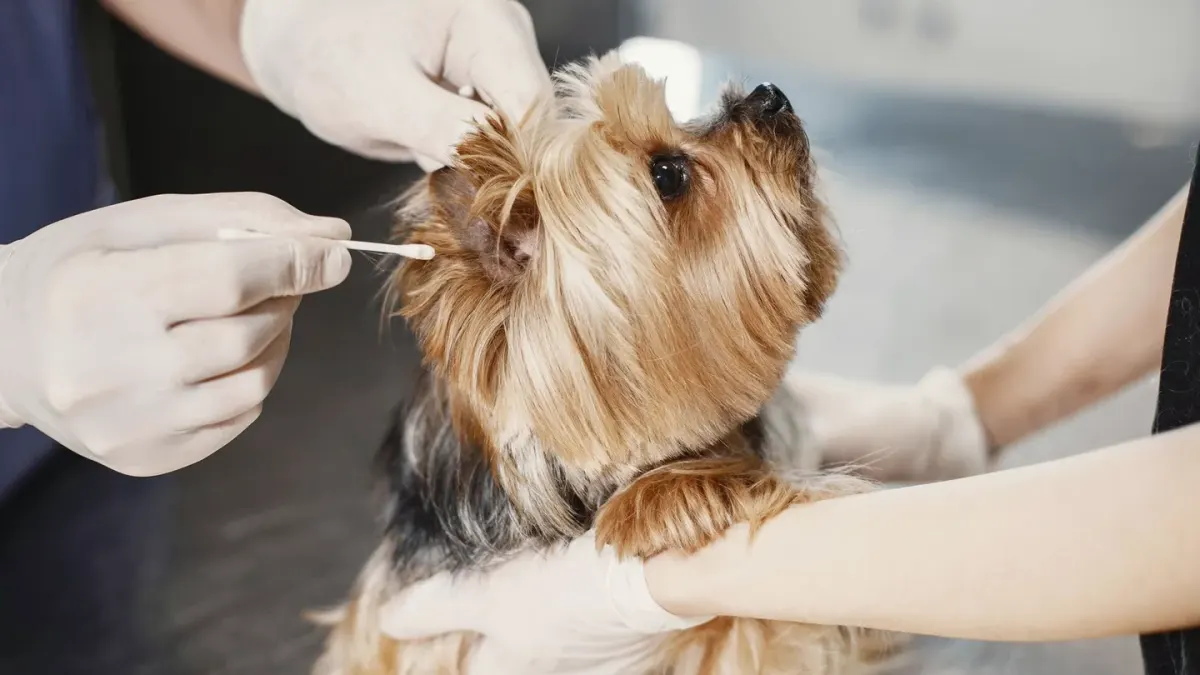
Yeast-related odor and brown debris often prompt owners to search for antifungal ear drops for dogs without vet prescription, yet the nervous-system picture of head shaking, ear scratching, and withdrawal from touch rarely points to one cause alone, and whole-patient balance requires knowing whether Malassezia, bacteria, mites, or a mixed otitis externa is driving the irritation.
Why yeast, bacteria, and mites look the same
Redness, head tilt, scratching at one ear, a sweet or musty odor, and dark waxy discharge occur with yeast overgrowth and with bacterial infection or ear mites, so observation alone cannot separate them.
Jordan, who lives with Michaela, a 4-year-old spayed female Catahoula Leopard Dog mix in Springfield, Massachusetts, noticed frantic scratching after swimming followed by yelping when the ear flap was touched, a pattern that illustrates why pain, swelling, and behavior change deserve an in-person assessment rather than a presumptive antifungal choice.

Why an intact eardrum changes what is safe
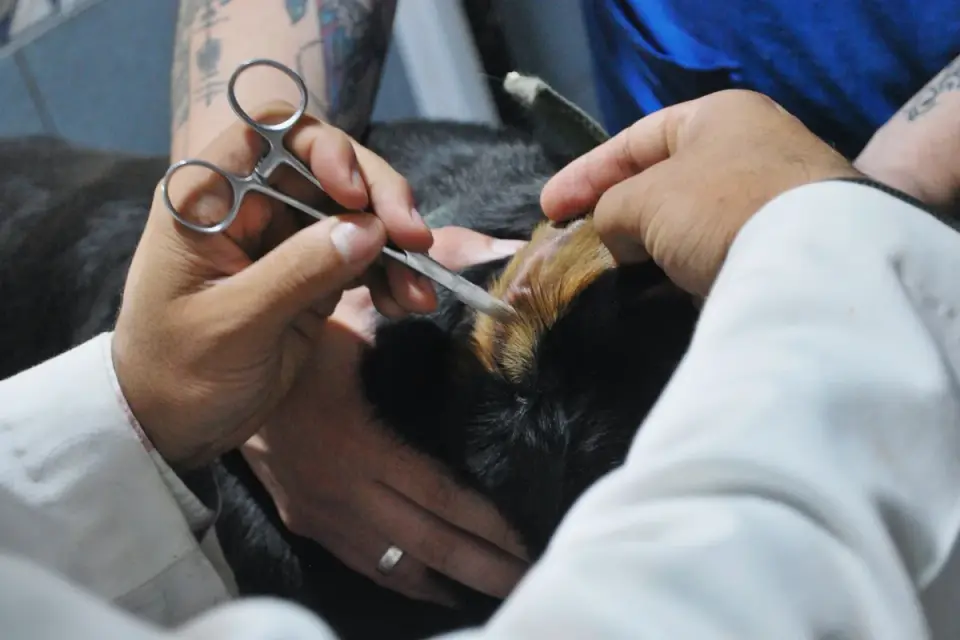
The tympanic membrane separates the outer canal from the middle ear, and when infection, chronic inflammation, or aggressive cleaning has compromised it, liquids placed in the canal may reach sensitive middle-ear structures that help support balance and facial nerve function. The Canadian Veterinary Journal describes ear canal examination and the need to assess the eardrum before selecting topical therapy, which is a central reason over-the-counter drops are not interchangeable with an examination-based plan.
This neurologic lens matters because vestibular signs such as a new head tilt, circling, nystagmus, facial droop, or sudden reluctance to rise warrant prompt veterinary evaluation rather than home drops, a distinction also emphasized for urgent mobility changes in Senior Dog Suddenly Can’t Get Up: When It’s an Emergency and When It Isn’t.
What nonprescription products may help support
Nonprescription ear products for dogs are generally cleaners or drying agents, sometimes containing dilute acetic or boric acid, ceramides, aloe, or low-strength azoles marketed for yeast, and they may help support a cleaner canal environment but do not diagnose infection or repair the underlying allergy, moisture, or anatomic trigger. Without cytology, an owner cannot know whether yeast predominates, whether cocci or rods suggest bacterial involvement, or whether debridement and prescription therapy are needed for resolution.
Gentle supportive measures that may help support comfort while awaiting an appointment include preventing scratching trauma with an Elizabethan collar when needed, keeping ears dry after bathing or swimming, avoiding cotton swabs deep in the canal, avoiding alcohol or hydrogen peroxide, and noting odor, color, laterality, pain level, appetite, and nighttime pacing or restlessness to share with the veterinarian.
When an exam cannot wait
Seek veterinary care promptly for severe pain, head tilt, balance loss, facial asymmetry, bloody or profuse discharge, swelling that closes the canal, foul odor with fever or lethargy, puppy with suspected mites, recurrent episodes, or no improvement after one to two days of conservative monitoring. An integrative examination may fold in a whole-patient review of skin, diet, allergies, and stress-related behaviors alongside otoscopy and cytology, without overstating what any single rinse, botanical, or drop may fix.
What to ask so drops fit the diagnosis
Ask whether the eardrum was visualized and intact, whether cytology showed yeast alone or mixed organisms, whether cleaning under supervision is appropriate before medicating, which ingredients to avoid with a perforation, how to place drops without pressing on a painful canal, and what recheck interval may help support recovery. Bring all ear products from home, list prior reactions, and clarify how allergy management, ear conformation, and moisture control fit the longer plan for whole-patient balance.
Frequently asked questions
Can I tell yeast from bacteria by smell or color at home?
No. Musty odor and brown debris occur with yeast, bacteria, and mixed infections, so otoscopy and cytology are needed to identify what is present and whether the eardrum is intact.
Are over-the-counter antifungal drops safe if the eardrum might be damaged?
Do not use them until a veterinarian examines the ear. A damaged eardrum changes what is safe to place in the canal and needs direct assessment first.
What can I do safely before the appointment?
Keep the ear dry, prevent scratching injury, avoid deep swabs and harsh irritants, and track pain, discharge, odor, head tilt, appetite, and restlessness to report.
Sources
- Canine Otitis Externa – Treatment and Complications — Canadian Veterinary Journal